What to try on a slow drain before you reach for the bottle
Figure out how to clean drains with a plastic snake, hot tap water and a little dish soap before a minor bathroom clog turns into a major plumbing repair.
- Jotted down by Gwen Halvorsen
- 8 min fix
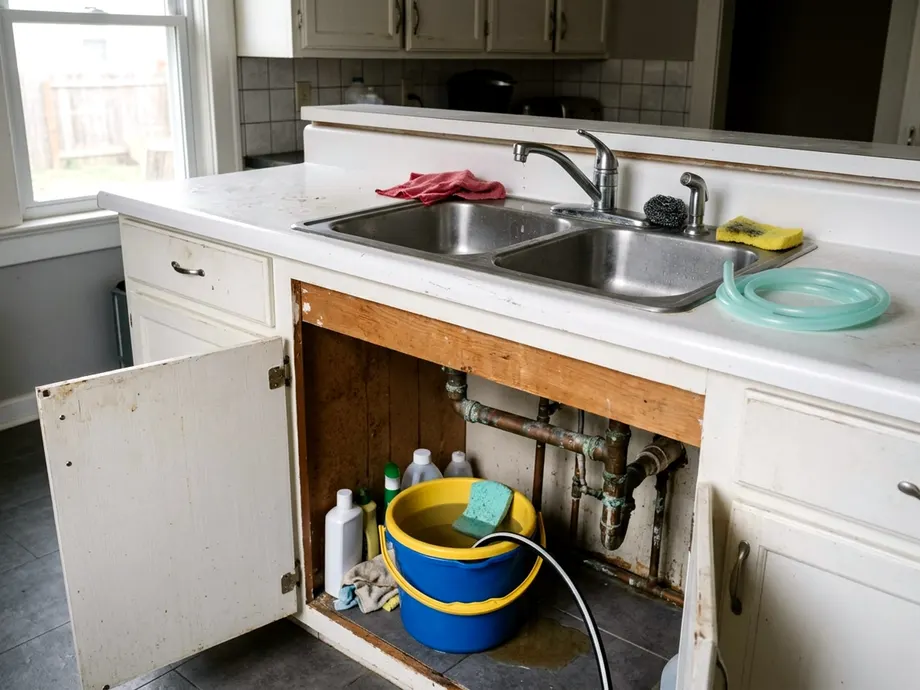
Clearing a slow sink or tub drain usually starts with pulling out the physical blockage with a plastic drain snake. The next step is flushing the pipe with hot tap water and dish soap. Chemical liquids may not reach the actual clog, and the label may warn against using them on some pipes. A physical approach can clear many blockages and get the water flowing again.
Spot a slow drain early and find the cause
A drain needs attention when water pools around your feet during a quick shower. A bathroom sink might leave a ring of dirty foam behind after you brush your teeth. Catching a slowdown early makes the job much easier.
An early blockage is still loose enough to pull out. Waiting until the water stops completely can mean you have a solid wall of grime to break apart. Standing water can leave sticky residue behind and may leave you needing to remove bathroom mold along the caulk line.
Many bathroom clogs form when long strips of hair tangle with sticky soap scum. The soap acts like glue and binds the hair into a thick knot. This knot catches more debris every time you wash your hands.
Kitchen sinks slow down for a different reason. Cooking grease washes down the drain as a warm liquid. The cold pipes cause the grease to cool and harden against the walls.
The hardened grease turns solid like candle wax. Small pieces of food get stuck in the grease and build a dam across the pipe.
Pull out the visible hair and gunk by hand
The top of the drain catches a surprising amount of debris before it reaches the pipe. A tub drain often has crossbars near the surface. Hair wraps around these metal bars and creates a messy mat.
Put on a pair of thick rubber gloves. Grab a paper towel and pull any visible hair out of the drain opening. Throw the mess directly into the trash.
A bathroom sink usually has a mechanical stopper that catches hair on its lower half. Some stoppers lift straight out with a gentle pull and a quarter turn. Other stoppers connect to a pivot rod beneath the sink basin.
Clear out the cabinet below the sink. Locate the horizontal metal rod going into the back of the drain pipe. A plastic nut holds this rod in place.
Turn the nut counterclockwise by hand to loosen it, then pull the rod backward to release the stopper. Lift the stopper out of the sink basin. Wipe the long plastic stem clean with a paper towel. Do not rinse the dirty stopper in another sink, or you risk starting a fresh clog somewhere else.
Push the clean stopper back into the basin. Slide the pivot rod back into the hole and tighten the plastic nut by hand.
Flush with hot tap water and dish soap
A physical blockage often just needs a little lubrication to break free. Hot tap water can soften greasy buildup and soap scum. Turn the hot water faucet on. Let it run until the stream feels hot, and take care not to scald yourself.
Squirt a heavy dose of liquid dish soap directly into the drain opening. The thick soap sinks down and coats the walls of the pipe. Dish soap cuts through grease on dinner plates, and it can help loosen oily plumbing residue.
Let the soap sit in the pipe for a while. The soap needs time to penetrate the grime. Turn the hot water tap back on and let a strong stream flow down the drain.
The pressure of the water combined with the slick soap often forces a loose clog through. Watch the water level in the basin. The sink is clear if the water spirals straight down without pooling.
Do not pour boiling water from a kettle into a sink or tub. Boiling water can warp some plastic pipes and loosen joints. Extreme heat might also crack an older porcelain sink basin.
Hot tap water usually gives enough heat to soften grease. It is also gentler on your pipes than boiling water.
Run a plastic drain snake in a tub or bathroom sink
A plastic drain snake often clears stubborn hair out of a bathroom pipe better than a liquid cleaner. This tool is a long flexible wand covered in backward-facing plastic barbs. Hardware stores sell them.
The flexible plastic bends easily through the curved section of pipe below the floor.
Push the pointed end of the wand into the drain opening. Slide it down until you feel resistance. The wand will usually stop when it hits the thick clog.
Do not force the wand if it gets completely stuck. The plastic can snap off and leave a piece stuck in the pipe.
Twist the handle in a circle to tangle the barbs into the mass of hair. Pull the wand straight up and out of the drain. Hold a paper towel in your other hand to catch the dirty end of the wand.
The barbs will drag up a dark, foul-smelling mass of decaying soap and hair. Wipe the wand clean with the paper towel. Drop the dirty towel in the trash.
Push the wand back down the drain and repeat the twisting motion. Keep pulling the snake up and wiping it off until the plastic comes up clean. Run hot tap water down the drain to wash away any loose bits of dirt.
Clear the trap under a kitchen sink with a bucket below
Kitchen grease and heavy food scraps may not respond to a plastic drain wand. A clogged kitchen sink often requires opening up the plumbing. Look underneath the sink basin for a curved piece of pipe. This section is called the P-trap.
The trap holds a pool of water to block sewer gases from rising into your kitchen. Heavy debris drops into the bottom of this curve and gets stuck.
Gather a few common household items before you take the pipe apart:
- A wide bucket to catch the standing water inside the pipe.
- An old towel to protect the cabinet floor from accidental spills.
- A pair of thick rubber gloves to keep your hands clean.
- Slip-joint pliers to loosen any metal nuts that refuse to turn.
- A damp rag to wipe the sticky grease out of the detached pipe.
Clear everything out of the cabinet under the sink. Lay the old towel flat on the cabinet floor. Place the wide bucket directly beneath the curved pipe.
Put your rubber gloves back on. Locate the large slip nuts on both ends of the curved pipe section. Turn the nuts counterclockwise to loosen them.
Most plastic nuts loosen easily by hand. Use the slip-joint pliers if a metal nut feels completely frozen. Wrap a rag around the nut before using pliers to prevent scratching the finish.
Unscrew both nuts completely. Pull the curved pipe straight down to detach it. Water and dirty food paste will spill out of the pipe and fall into the bucket.
Dump the contents of the curved pipe into the bucket as well. Push a damp rag through the detached pipe to wipe out the sticky grease. Take the pipe to a different sink and wash it thoroughly with hot water and dish soap.
Wipe the threads on the standing pipes under the sink with a paper towel. Push the clean curved pipe back into place. Slide the nuts over the threads and tighten them by hand.
Turn on the kitchen faucet and watch the pipe joints carefully. Run the water for a while to ensure the pipe stays completely dry on the outside. Tighten the nuts a little more if you see a single drop of water form.
Add a strainer so the clog stays away
Stopping debris before it enters the plumbing saves you from doing this chore again. A mesh strainer sits right over the drain opening and catches the solid pieces. Buy a stainless steel or silicone strainer that matches the size of your drain.
A tub strainer catches shedding hair during a shower. A kitchen sink strainer catches vegetable peels and burnt crust when you clean oven racks with a soak.
Empty the strainer into the trash can regularly. Tapping the strainer against the side of the trash can knocks the loose debris free. This routine keeps the drain flowing, so you spend less time washing a bath mat near the sink. Use a paper towel to wipe stubborn grease off a kitchen strainer.
You can also prevent kitchen clogs by changing how you handle dirty dishes. Wipe greasy frying pans out with a paper towel before you put them in the sink. Throwing the grease in the trash keeps the pipes slick and clean.
Know when multiple slow drains mean a main line problem
A single slow sink just needs a targeted cleaning. Multiple sluggish drains can point to a larger problem in the main line. Every drain in a house connects to a main sewer line.
This large pipe carries all the wastewater out to the street or into a septic tank. A blockage in the main line can push water back up into the lowest drains in the house.
Watch out for strange behavior across different rooms. You might see water backing up into the bathtub when you flush the toilet. You might hear loud gurgling sounds coming from the bathroom sink when the washing machine drains. These warning signs may mean the water has nowhere to go.
A homeowner cannot reach a main line blockage with a short plastic wand. Pouring heavy chemicals down the pipe may just leave corrosive liquid sitting in your plumbing. Call a licensed plumber to inspect the system.
A professional has tools that reach much farther into the line. The plumber can often run a camera down the pipe to find the cause. Letting a professional handle a main line blockage can keep dirty water from flooding your floors. A prompt repair can also help protect your pipes.
Next snags we can fix
Which chips and scratches around the home you can fix yourself
Find out how to repair chipped bath surfaces, fix cracked tiles and sort damaged laminate floors with practical advice on kits and calling a specialist.
Household Fixes 7 min fix
Can you clean a popcorn ceiling without it falling apart
Learn how to clean popcorn ceiling textures safely. Remove dust, treat small stains and block water spots without damaging older materials.
Household Fixes 7 min fix
When to clean air vents yourself and when ducts need a pro
Learn how to clean the vents in your home yourself, the three signs you actually need a professional duct cleaner and what that service costs.
Household Fixes 7 min fix