How to remove bathroom mold and keep it from coming back
Learn effective bathroom mold removal to scrub away stubborn dark spots and fix the hidden moisture issues that keep bringing the problem back.
- Jotted down by Gwen Halvorsen
- 7 min fix
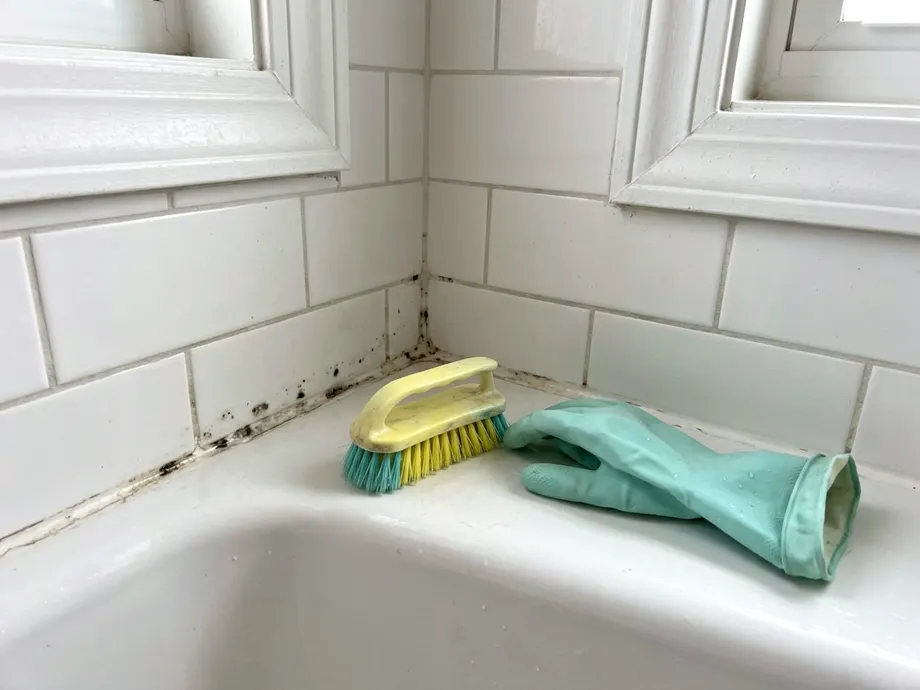
Scrubbing away the dark spots on your bathroom tile takes a bucket of soapy water and a stiff brush. Keeping the mold from growing back means finding and fixing the lingering moisture that feeds it. You can clean up the average bathroom patch in an afternoon and change a few daily habits to keep the walls dry.
Check the size of the mold patch before you start
Take a good look at the wall or ceiling before you mix any soap. Small patches of mold on shower tile or window glass are easy to handle yourself. The EPA says you can usually clean up a moldy area of less than about 10 square feet yourself. That covers the typical ring around a bathtub or a spotted corner of the ceiling.
A patch larger than about 10 square feet needs professional help. Huge colonies often point to serious water damage inside the walls.
Turn off the water and call a contractor if the wall feels soft or smells strongly of rot. Water might be leaking from a cracked pipe behind the plaster. Fixing the pipe is the only way to stop the rot.
Wear protective gear to clean the bathroom
Mold spores float into the air the moment you start scrubbing. You want to keep those particles out of your eyes and lungs. Gather a few basic safety items before you open the cleaning cabinet:
- Thick rubber gloves that reach halfway up your forearms
- Safety goggles with solid plastic sides and no open vent holes
- An N-95 respirator mask to block drifting spores
- Old clothes you can drop directly in the wash afterward
Open the bathroom window to get some fresh air moving through the room. Turn on the bathroom exhaust fan to pull dusty air outside while you work.
Scrub hard surfaces with detergent and water
Detergent and warm water will lift mold off hard bathroom surfaces. You do not need harsh chemicals to get non-porous materials like glass and ceramic tile clean. Mix standard dish soap or laundry detergent into a bucket of warm water. Dip a stiff bristle brush into the soapy water and scrub the moldy spots vigorously.
Scrubbing is what lifts the mold off hard surfaces. Rinse the area with clean water and wipe it completely dry with a rag. You might have to scrub the same spot two or three times to get every bit of dirt.
Some stubborn stains might leave a dark shadow on white surfaces after the mold is gone. The EPA does not recommend bleach as routine mold cleanup, so skip it unless a professional advises it.
The EPA warns never to mix chlorine bleach with cleaners that contain ammonia because toxic fumes can form. Those invisible fumes can overwhelm you in a small enclosed bathroom. Wash the wall with plain water and let it dry entirely before trying any other cleaner. If the tile lines still look dingy, you might need a different approach to get dirty grout clean again.
Throw away moldy caulk and porous items
Mold grows deep into soft materials and refuses to let go. You cannot scrub the roots out of things that absorb water. The EPA notes that porous materials such as ceiling tiles and carpet may have to be thrown away if they become moldy.
A bathroom with a carpeted floor often traps moisture in the padding underneath. Remove moldy carpet and choose a solid floor like ceramic tile or waterproof vinyl.
Soft items like bath mats and shower curtains can sometimes go through a hot wash cycle. Throw them in the trash if the stains survive the laundry. You will save yourself a lot of time by simply replacing an inexpensive plastic shower liner.
The rubbery caulk around your bathtub is another porous material that mold loves. Old caulk pulls away from the wall and creates a dark pocket for water to sit. Scrubbing the surface of a moldy caulk line will not kill the spores hiding behind it. You have to remove the old material and apply a fresh seal:
- Scrape the old caulk off the tub with a plastic putty knife
- Wipe the empty gap with soapy water to remove loose dirt
- Let the open joint dry completely overnight
- Squeeze a steady line of mold-resistant silicone into the gap
- Smooth the wet line with a damp finger and let it cure as the tube directs
Wash towels and fabric mats frequently
A damp towel bunched up on the floor will grow a sour mildew smell in a couple of days. Mildew is just a common type of mold that thrives on wet fabrics. Hang your towels flat across a wide bar so the air can dry them out.
Wash bathroom fabrics often in the hottest water the care label allows. Dry the fabrics on high heat until there is no dampness left in the thickest hems.
Clean away soap scum to starve leftover spores
Mold needs food just as much as it needs water. The soap scum that builds up on shower walls contains organic matter like skin cells and body oils. A dirty shower may give stray mold spores more to feed on.
Wipe down the shower walls with an everyday bathroom cleaner once a week. Use a plastic squeegee to push the suds down the drain. Regular cleaning helps keep bathroom mold from coming back, as the EPA advises.
Dry wet spots fast after a spill
Mold spores drift through the air in every home waiting for a drop of water. They will not grow on a dry surface. The easiest way to stop bathroom mold is to take away its water source. The EPA says mold usually will not grow if wet areas are dried within 24 to 48 hours after a leak or spill.
Wipe up puddles on the floor as soon as you step out of the shower. Squeegee the glass doors and tile walls to send standing water down the drain. A quick wipe with a microfiber cloth takes less than a minute and saves you hours of scrubbing later.
Fix plumbing drips before they have time to cause a mold problem. A slow drip from the sink trap will soak the cabinet floor over the weekend. Tighten the slip nuts on the drain pipe if you see water pooling underneath.
Replace the rubber washers inside the shower knobs if the shower head drips all night. Find the source of the water first. Cleaning the mold is useless if the same slow leak keeps feeding the next batch.
Keep bathroom humidity in a range mold dislikes
Hot showers fill a bathroom with heavy steam that coats the walls in condensation. High humidity gives mold enough moisture to grow even without a direct plumbing leak. The EPA recommends keeping indoor relative humidity below 60 percent, ideally between 30 and 50 percent.
Buy a small digital hygrometer at the hardware store to check your bathroom air. Set it on the vanity counter and read the number after your morning shower. You have to lower the moisture level if that number stays above 60 percent for hours.
Run the ceiling exhaust fan every time you run the hot water. The fan pulls the wet air up and pushes it outside through a duct. Leave the fan running for a few minutes after you turn the water off. Open the bathroom door wide to let dry air from the hallway circulate inside.
Check your exhaust fan and ductwork
A weak exhaust fan will leave the bathroom walls dripping with sweat. You can test your ceiling fan with a single square of toilet paper. Turn the fan on and hold the paper up against the plastic grille. The fan should have enough suction to hold the paper flat against the plastic when you let go.
Turn the power off at the breaker and clean the plastic grille if the fan fails the test. Dust clogs the slots and stops the air from getting through. Vacuum the dust out of the metal housing inside the ceiling.
A fan that still lacks power might be too small for the room. You might also have a blocked duct pushing air back into the bathroom. Hire an electrician to install a stronger fan if the bathroom stays humid all day. You can also run a small plug-in dehumidifier on the bathroom counter during the muggiest summer months.
Know when a mold problem needs a professional
Sometimes a mold patch hides a structural failure that requires heavy construction. A soft drywall ceiling below a second-floor bathroom can point to a leak above, such as a failing toilet seal. Wet drywall may have to be cut out and the leak above repaired.
Call a professional remediation company if the mold covers more than about 10 square feet. You also need a pro if you smell a strong mold odor but cannot see the source. Hidden mold often grows on the back side of drywall or underneath the subfloor. Digging into the walls can release spores into your living space.
A professional crew has the equipment to contain the work area and remove damaged material safely. You should also call for help if you suspect mold is growing inside your home heating and cooling ducts.
Leave ductwork cleaning to a specialist. If your ceiling has a bumpy texture, cleaning a popcorn ceiling can loosen the texture and, in older homes, might disturb asbestos. Have a professional test an older textured ceiling before it is disturbed.
Next snags we can fix
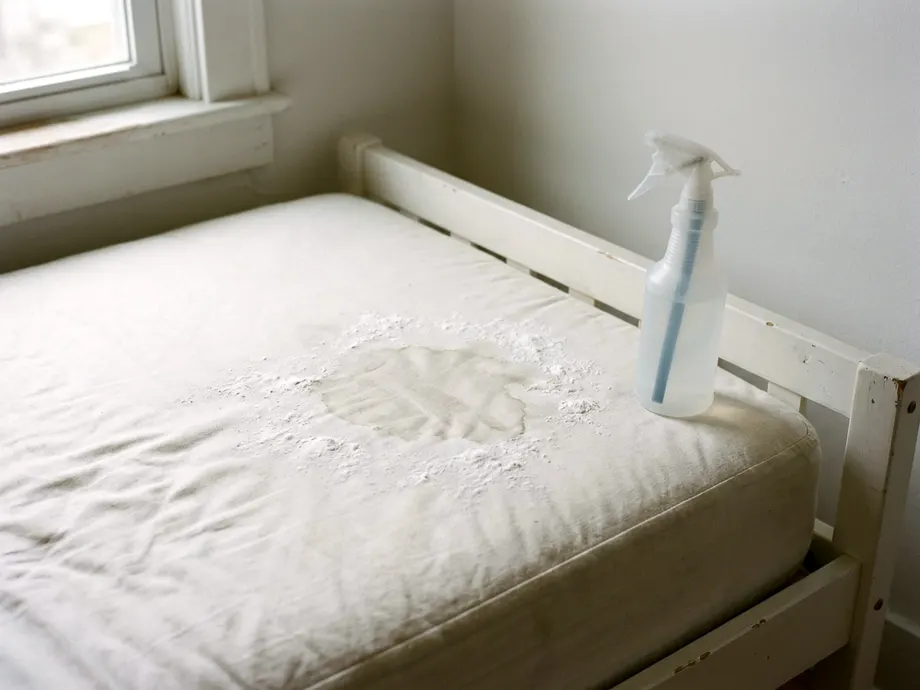
Getting sweat, pee and old stains out of a mattress
Figure out how to clean mattress foam and fabric right now, from fresh accidents to old yellow sweat rings, using mild cleaners and basic baking soda.
Cleaning Shortcuts 6 min fix
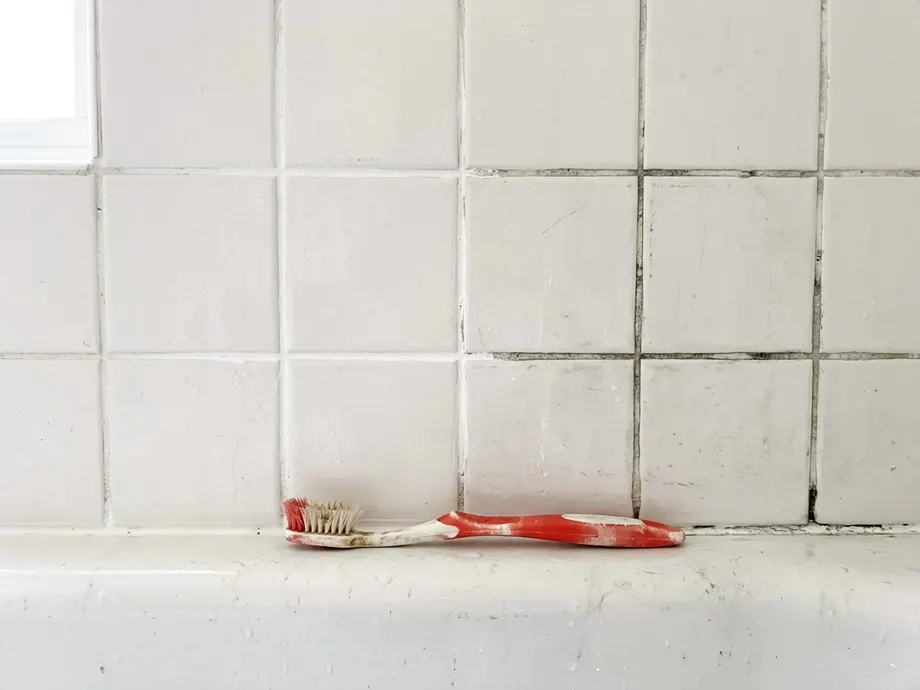
7 ways to get dirty grout clean again, mildest first
How do I clean grout? Try seven practical methods ranked from mildest to strongest, plus safety rules to keep bathroom tile looking fresh.
Cleaning Shortcuts 6 min fix
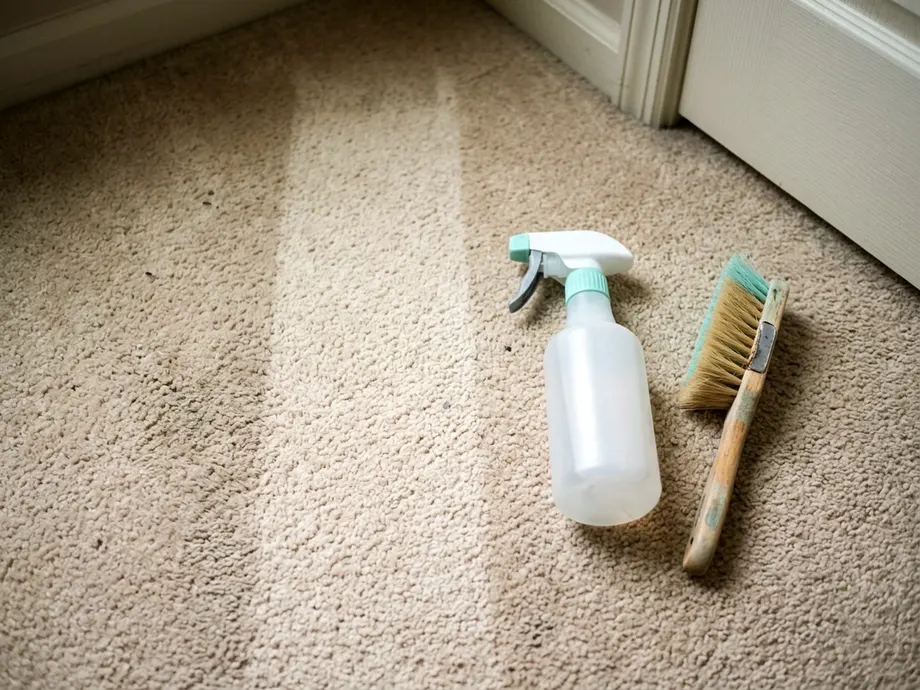
How to clean carpet at home without renting a machine
Learn how to clean carpet at home using simple tools and everyday methods to lift dirt, remove stains and refresh traffic lanes without renting a machine.
Cleaning Shortcuts 7 min fix