7 ways to get dirty grout clean again, mildest first
How do I clean grout? Try seven practical methods ranked from mildest to strongest, plus safety rules to keep bathroom tile looking fresh.
- Jotted down by Gwen Halvorsen
- 6 min fix
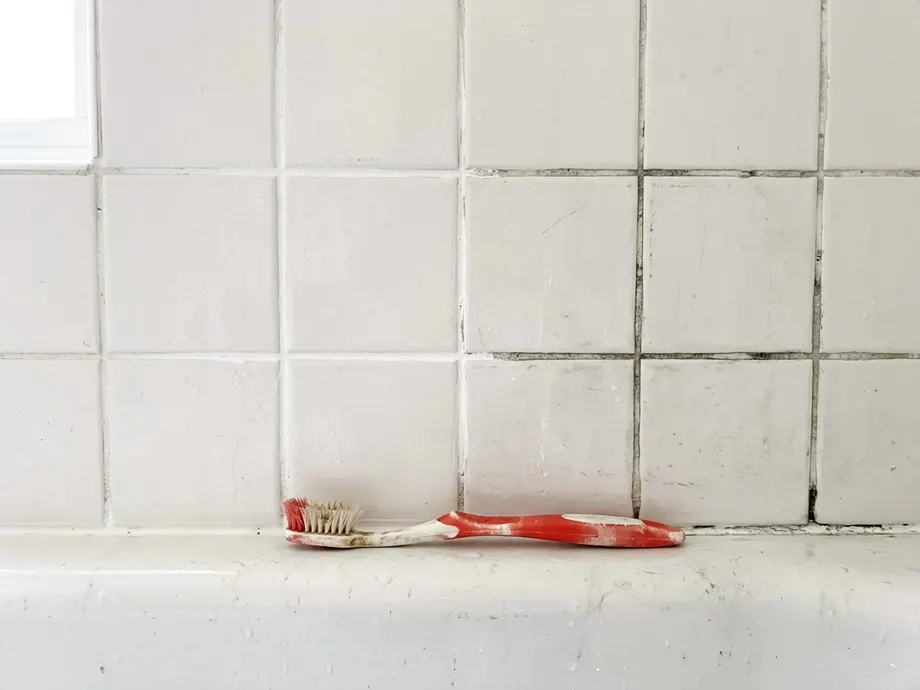
Start with plain hot water and a stiff brush to clean dirty grout. Work through the methods below and stop at the mildest one that works. Mild methods preserve your floors and keep your home safe, while strong chemicals can wear down grout over time.
1. Start with hot water and a stiff toothbrush
Hot water loosens everyday dust and muddy shoe prints without harsh chemicals. Pour a small amount of hot water over the dirty tile lines. Let the water sit for a few minutes to soften the hardened dirt. Scrub the wet lines firmly in circles with a stiff nylon brush.
Physical scrubbing lifts loose surface grime away from the porous cement. A nylon bristle brush works better than metal wire. Metal bristles scratch your tile and chip away the cement holding it together. Work in small sections across your bathroom floor.
Wipe up the dirty water with a rag as you finish each small patch. Leaving the water on the floor allows the muddy mixture to settle back down. Dry the area with an old towel to see if the original color returned.
2. Use a baking soda paste on stained lines
Baking soda adds a mild grit to scrub away stubborn dirt. Using basic pantry staples helps you save money on household supplies. Pour a pile of baking soda into a small bowl. Stir in a splash of water until the mixture forms a thick white paste.
Scoop the paste directly onto the stained joints with your brush. Scrub the mixture firmly down into the floor. The fine powder acts as a gentle abrasive to lift deep stains. Leave the paste resting on the tile for several minutes.
Rinse the area thoroughly with a wet sponge and warm water. Leftover baking soda leaves a hazy white film behind when it dries. Wipe the floor a second time with clean water to remove any lingering powder. Dry the tiles with a cloth to check your progress.
3. Try a dish soap and warm water scrub for kitchen grease
Kitchen floors and cooking backsplashes trap sticky oils and food splatters. Dish soap cuts through cooking grease better than plain water and baking soda. Squeeze a few drops of heavy liquid dish soap into a bowl of warm water. Stir the soapy mixture until bubbles form.
Dip your stiff brush into the soapy water and scrub the dark spots. The soap binds to the cooking oils trapped in the grout and lifts them away. This step is especially helpful if you batch cook meals on the weekends. Long hours of frying leave heavy grease residues across nearby walls.
Rinse the soap off the wall entirely with a wet rag. Soap residue attracts fresh dust and makes floors slippery. Wipe the wall from top to bottom until the tile squeaks.
4. Use oxygen bleach for deep discoloration
Oxygen bleach powders break down organic stains without stripping the original color. Dissolve a scoop of the powder in warm water following the package directions. Pour the liquid mixture over the dirty lines and let it soak for several minutes.
The extra soaking time allows the oxygen bubbles to lift heavy foot traffic dirt. Scrub the wet lines with your brush to break up the remaining stains. Rinse the floor well with clean water.
Oxygen bleach is gentler on grout and colors than liquid chlorine bleach, but test a hidden spot first. If you spot fuzzy black spots while scrubbing, a standard cleaner might fail. You will need to treat any bathroom mold using chemicals meant specifically for fungi.
5. Use diluted chlorine bleach only alone and with the window open
Chlorine bleach lightens severe stains on white or very pale gray grout. This harsh chemical strips the color out of dark grout and slowly weakens the cement over time. Limit this strong method to the worst stains and use it rarely. Open your bathroom window and turn on the exhaust fan before you open the bottle.
Mix liquid household bleach with plain water in a plastic bucket, following the dilution on the bottle label. Dip your brush in the diluted liquid and scrub the stubborn spots. Wear old clothes and rubber gloves to protect your skin from the caustic liquid.
Rinse the area completely with plain water after a few minutes. Never leave bleach to pool on the floor or dry into the tile.
6. Never mix bleach with vinegar, ammonia or other cleaners
Mixing liquid bleach with other common household products creates dangerous toxic fumes. Mixing bleach with an acid such as vinegar or a multipurpose bathroom cleaner creates chlorine gas. People often reach for vinegar to clean a stubborn spot. Adding bleach on top can create dangerous chlorine gas.
Ammonia presents another severe risk in bathrooms. Mixing bleach with ammonia, including the ammonia in pet or human urine, creates chloramine gas. Always wash the toilet bowl and the floor right around it with plain water first. This removes any urine traces before you apply bleach to those nearby grout lines.
If you accidentally mix cleaners and breathe the fumes, stop cleaning right away. The Tennessee Poison Center advises airing out the area and getting fresh air after breathing fumes from mixed cleaners, and calling 911 if breathing symptoms persist or worsen. For other chemical exposure questions, the Poison Help line in the US is 1 800 222 1222.
7. Seal clean grout lines so the dirt stays on top
Grout acts like a hard sponge that absorbs muddy water and oily spills. Sealing the clean lines creates a clear physical barrier that keeps new dirt on top. Wait until the grout is completely dry, and follow the sealer label for timing. Apply a liquid sealer to the dry floor.
Pour a small amount of liquid penetrating sealer into a plastic cup. Wipe the sealer carefully over the clean joints using a small foam brush. Keep a dry cloth handy to wipe any stray sealer off the glazed tile faces.
Wait a few minutes for the liquid to soak into the porous joints. Wipe the excess liquid away with a clean cloth. The tiles themselves will feel sticky and look cloudy if you let the sealer dry. A good seal helps your kitchen and bathroom floors stay cleaner longer.
Keep tile lines clean week to week
Regular sweeping and mopping keeps loose dirt out of your tile joints. Dirt builds up slowly when you remove surface dust before it sinks in. A heavy scrubbing session is usually only necessary a couple of times a year.
High traffic areas like a front hallway catch more dirt from outside. Place heavy rugs near the exterior doors to trap the mud. Wipe up spills in the kitchen immediately with a damp paper towel.
Use a mild neutral floor cleaner for your routine weekly mopping. Acidic cleaners can wear down the top layer of grout over the years.
Next snags we can fix
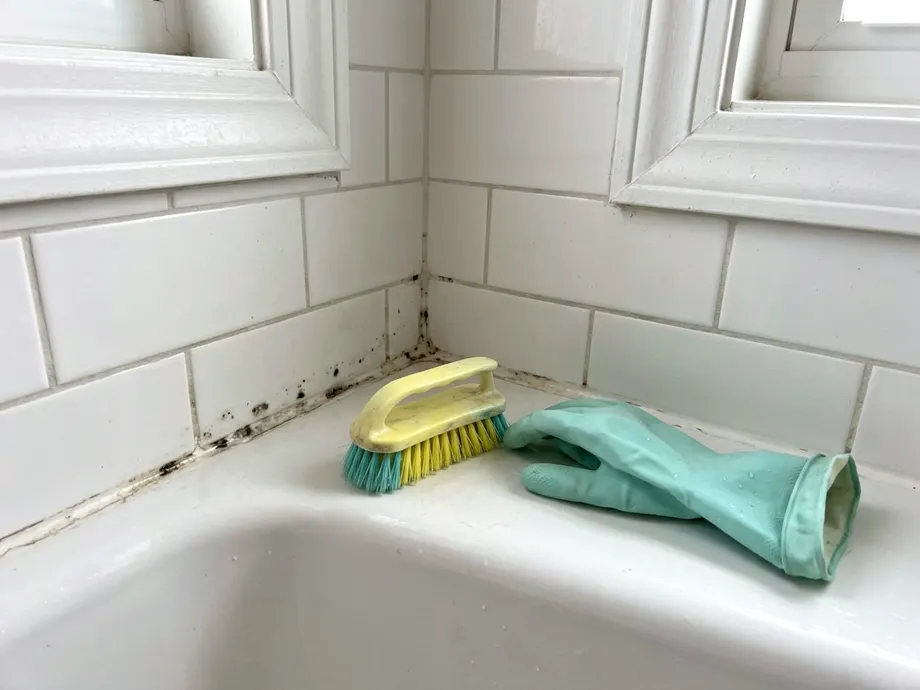
How to remove bathroom mold and keep it from coming back
Learn effective bathroom mold removal to scrub away stubborn dark spots and fix the hidden moisture issues that keep bringing the problem back.
Cleaning Shortcuts 7 min fix
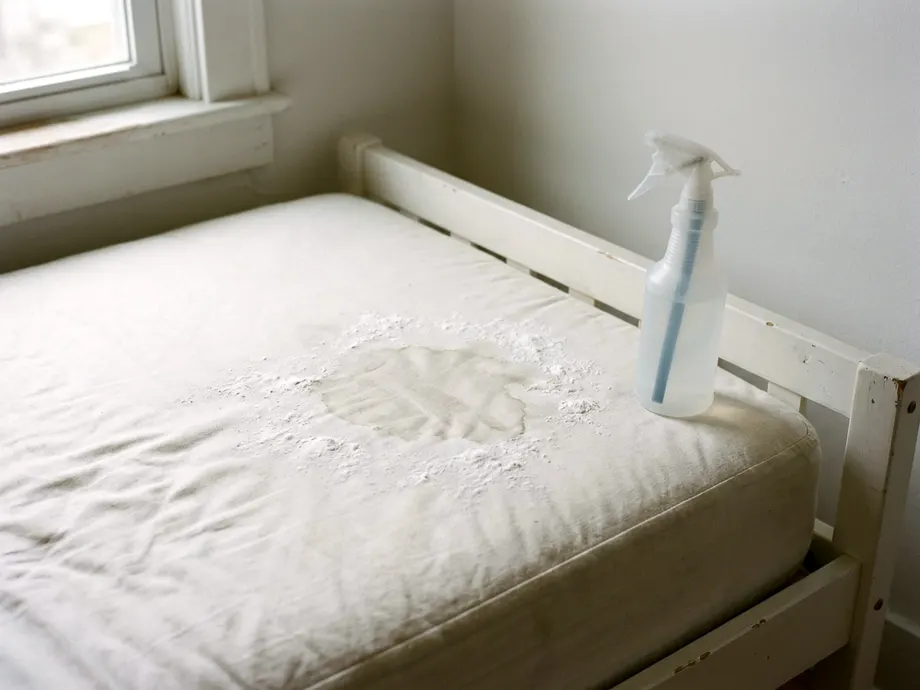
Getting sweat, pee and old stains out of a mattress
Figure out how to clean mattress foam and fabric right now, from fresh accidents to old yellow sweat rings, using mild cleaners and basic baking soda.
Cleaning Shortcuts 6 min fix
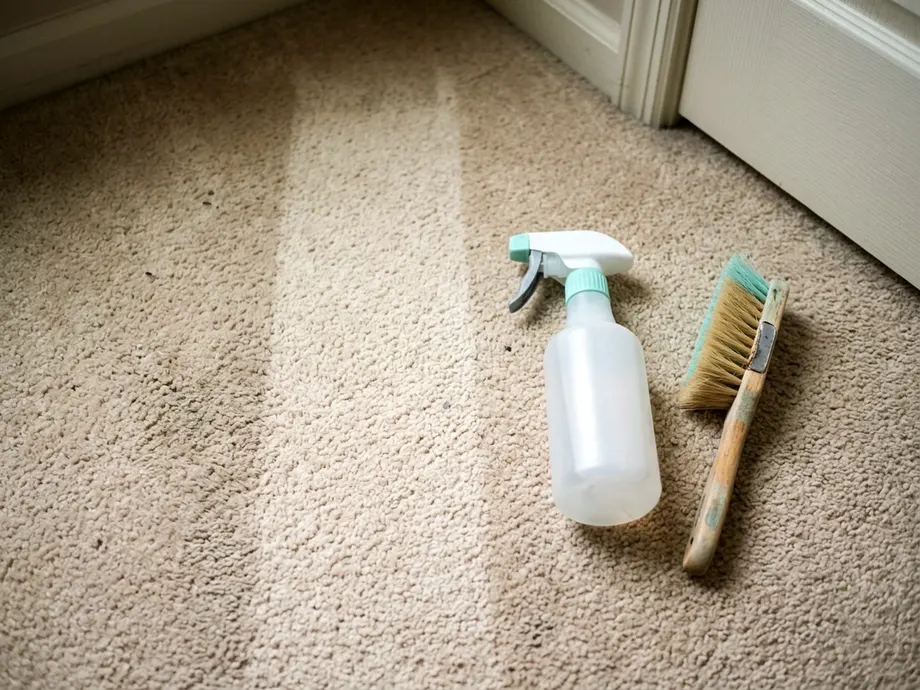
How to clean carpet at home without renting a machine
Learn how to clean carpet at home using simple tools and everyday methods to lift dirt, remove stains and refresh traffic lanes without renting a machine.
Cleaning Shortcuts 7 min fix