How to clean carpet at home without renting a machine
Learn how to clean carpet at home using simple tools and everyday methods to lift dirt, remove stains and refresh traffic lanes without renting a machine.
- Jotted down by Gwen Halvorsen
- 7 min fix
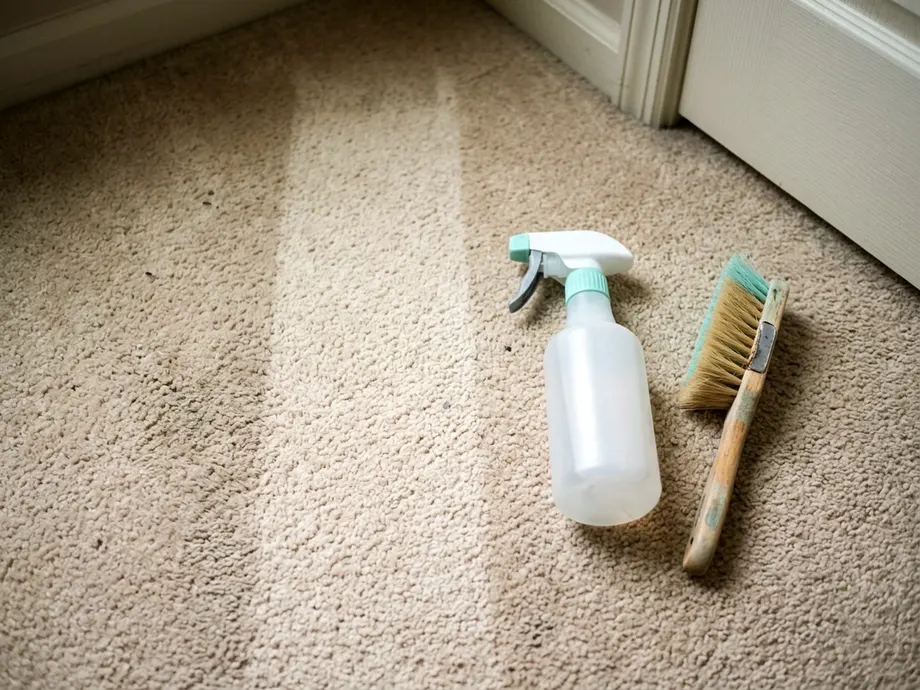
Restore dull traffic lanes and get your whole room visibly cleaner by upgrading your vacuum routine and using light moisture on heavy soil. Plain soap, a simple spray bottle and clean towels will lift trapped dirt without soaking the floor. The trick is to work in small sections and dry the fibers fast.
Why traffic lanes look gray before the rest of the room
Carpet fibers act like tiny traps for dust and dirt. People walk through a room along the same paths every day. Shoes bring in grains of sand and soil from the yard. Bare feet and pets leave behind natural body oils on the pile.
These oils coat the carpet yarns and act like a mild glue. Loose dust sticks to the oily residue and refuses to let go. Over time, this sticky dirt builds up and blocks light from reflecting off the carpet. The carpet looks dark, flat and gray, even if the original color was bright.
Dirt also acts like sandpaper when people step on it. Sharp grit can grind against soft fibers and wear them down. Worn carpet can look dull. Getting the dirt out helps limit this friction damage and brings the color back to the surface.
The edges of a room usually stay clean because nobody walks there. Heavy soil stays concentrated in paths between the front door, the couch and the hallway. Focusing your cleaning effort on these specific lanes makes the whole room look better.
Vacuum high traffic areas slowly and more often
A thorough vacuum routine pulls dry dirt out of the pile before it gets crushed into the backing. The Carpet and Rug Institute recommends vacuuming carpet at least twice a week. High traffic paths need the most attention.
Speed changes how much dirt you pick up. Fast back and forth passes only grab top dirt. Push the machine forward slowly, then pull it back at the same slow speed.
A slow pull gives the brush roll time to part the fibers. It allows the suction to reach all the way down to the base of the carpet. Go over the main paths from the hallway to the couch more than once. Change directions for the final pass to lift the pile up straight.
Check the vacuum height settings before you start, ensuring the brush roll lightly sweeps the top of the carpet. If the vacuum is too low, the brush can damage the yarn. If it is set too high, it can leave heavy dirt behind. Empty the dust bin or bag when it is about half to two-thirds full to keep the suction strong.
Pretest any cleaner in a closet corner
Carpet dyes react differently to moisture and soap. You never want to discover a cleaning solution pulls the color out right in the middle of the living room. The Carpet and Rug Institute advises pretesting any cleaner on a scrap or out of the way area of carpet.
Open a closet door or find a spot hidden under a heavy piece of furniture. Apply a few drops of your chosen cleaner to the carpet. Press a clean white cloth against the wet spot for a few seconds. Pull the cloth up and check it for color transfer.
If the cloth stays perfectly white, the cleaner should be fine to use. If you see carpet dye on the towel, stop immediately. You need to mix a weaker solution or switch to plain water. Using an untested cleaner can damage the carpet's color.
Wait a few minutes to see if the tested spot changes texture. Some strong household cleaners can melt synthetic fibers or leave them feeling stiff. A safe cleaner leaves the carpet looking and feeling exactly like the surrounding area. Avoid harsh degreasers and stick to a mild dish soap, pretested first.
Clean traffic lanes in small sections with light moisture
Two spray bottles and a stack of clean white towels will wash away sticky soil. Do not pour water directly onto the floor from a bucket. Too much water will soak right through the pile and into the sponge pad underneath, creating a drying problem.
You need four things:
- A spray bottle filled with warm water and two drops of mild dish soap.
- A second spray bottle filled with plain warm water for rinsing.
- Five to ten clean, dry white terry cloth towels.
- A clean white cloth for the color test and for blotting.
Work in a small square. Spray the carpet just enough to dampen the top of the fibers. Let the moisture sit for five minutes to soften the oily dirt. Take a clean, dry towel and blot the damp carpet.
Press down firmly and blot instead of rubbing. The towel will pick up the dark soil. Once the towel looks dirty, switch to a fresh one. This low-moisture method is similar to how to clean cloth car seats and lift spills.
After you wipe up the soapy dirt, mist the same small square with your plain water spray bottle to rinse the fibers. Blot the area again with a dry towel to pull out the remaining soap. Leftover soap can attract new dirt, so do not skip the rinse step. Move on to the next square until the traffic lane is clean.
Blot spills instead of scrubbing the pile
Fresh spills require immediate attention to stop them from becoming permanent stains. Grab a dry towel and absorb the liquid before it sinks deep into the padding. Always start at the outside edge of a puddle and work your way toward the center. This stops the mess from spreading wider into clean carpet.
The Carpet and Rug Institute advises blotting spots rather than scrubbing, since bristles and scrubbing can damage carpet. Press a dry white cloth straight down onto the spill. Hold it there for five seconds to let the liquid soak up into the fabric.
Lift the cloth and find a dry spot on the towel. Press it straight down again. Keep pressing and lifting until the carpet feels barely damp. You use similar steps to clean a stained mattress.
If the spill leaves a colored mark behind, treat it with a mild spot cleaner and blot it exactly the same way. Scrubbing untwists the carpet yarns and leaves a fuzzy, frayed patch. A scrubbed patch may not look normal again, even after the floor dries.
Get the carpet dry within hours with fans and airflow
Wet carpet must dry quickly to stop odors and prevent damage to the floorboards underneath. The Carpet and Rug Institute says carpet that is wet cleaned should be dry within 12 hours. Moisture left sitting for days can lead to mold and damage underneath.
The EPA says mold usually will not grow if wet areas are dried within 24 to 48 hours. Knowing how to remove bathroom mold is useful, but you want to stop it from starting in your floors. If the air outside is dry, open the windows to let fresh air move through the room.
Turn on ceiling fans and set up portable box fans on the floor. Point the floor fans directly across the damp carpet lanes. Moving air pulls moisture out of the fibers much faster than still air. If the carpet still feels very wet, lay a dry towel flat and step on it to press the last bits of water out.
Run your air conditioning if the weather outside is humid or rainy. Air conditioning removes some moisture from the indoor air as it runs. Keep everyone off the carpet while it dries. Walking on wet fibers crushes them flat and tracks in fresh dirt from shoes.
Plan a professional deep clean on the maker's schedule
Routine home care keeps a room looking good, but dirt eventually settles deep into the backing. A professional service can pull out embedded soil that a household vacuum leaves behind.
The Carpet and Rug Institute recommends a professional deep clean every 12 to 18 months. Check the warranty paperwork for your specific flooring. Manufacturers sometimes require certified cleaners, so check your warranty terms before choosing a service.
Between those professional visits, stick to frequent vacuuming and light wet cleaning. Keeping the loose grit out of the fibers protects the material from daily wear and tear.
Next snags we can fix
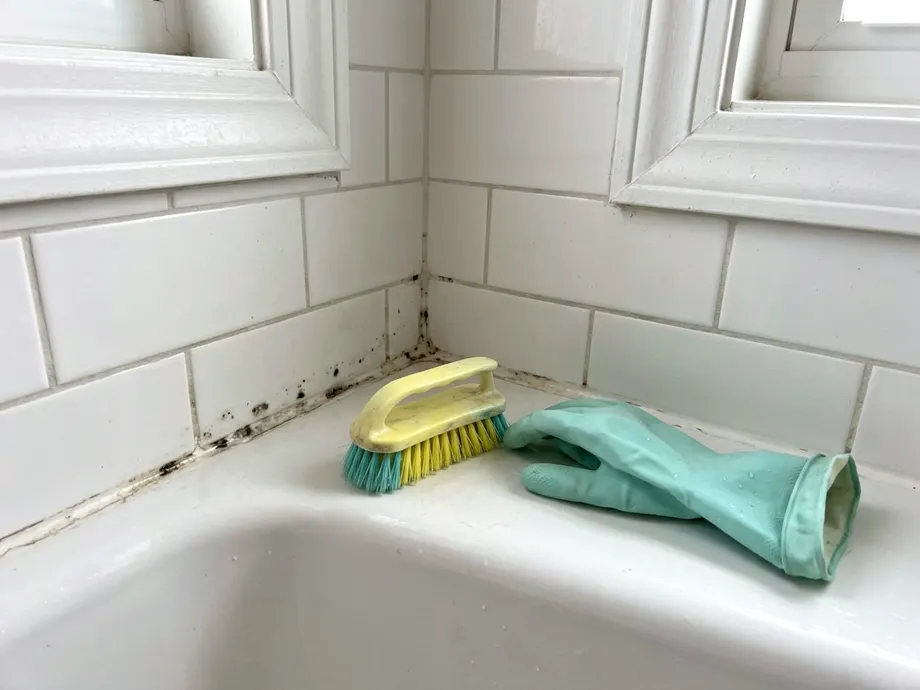
How to remove bathroom mold and keep it from coming back
Learn effective bathroom mold removal to scrub away stubborn dark spots and fix the hidden moisture issues that keep bringing the problem back.
Cleaning Shortcuts 7 min fix
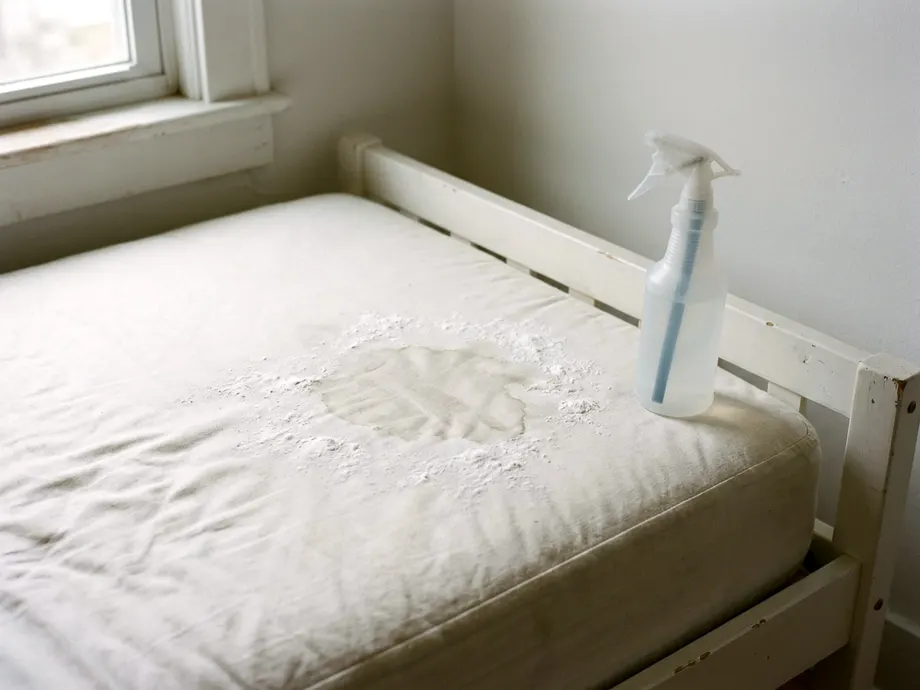
Getting sweat, pee and old stains out of a mattress
Figure out how to clean mattress foam and fabric right now, from fresh accidents to old yellow sweat rings, using mild cleaners and basic baking soda.
Cleaning Shortcuts 6 min fix
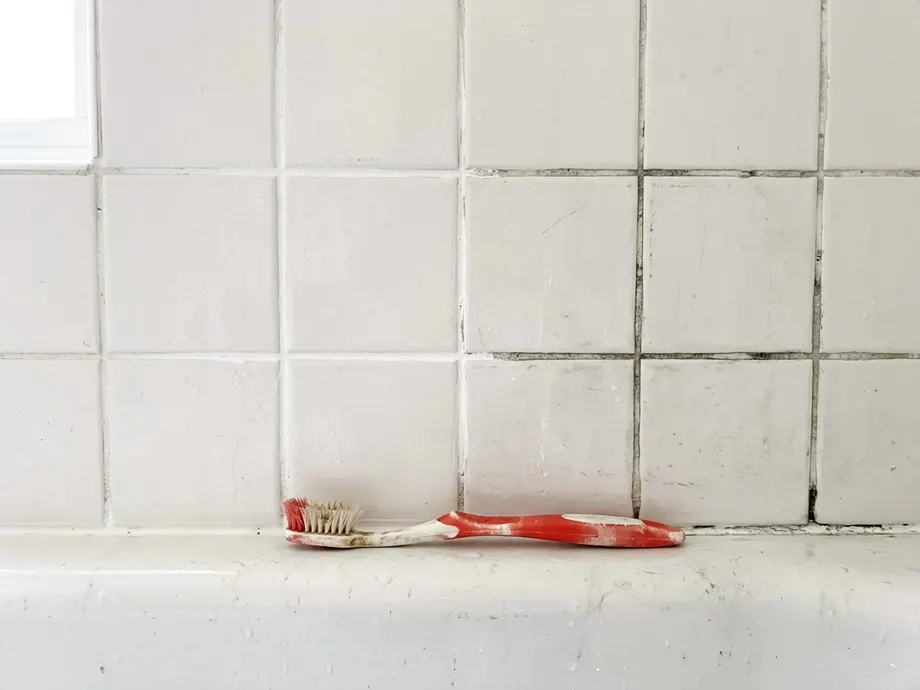
7 ways to get dirty grout clean again, mildest first
How do I clean grout? Try seven practical methods ranked from mildest to strongest, plus safety rules to keep bathroom tile looking fresh.
Cleaning Shortcuts 6 min fix