Getting sweat, pee and old stains out of a mattress
Figure out how to clean mattress foam and fabric right now, from fresh accidents to old yellow sweat rings, using mild cleaners and basic baking soda.
- Jotted down by Gwen Halvorsen
- 6 min fix
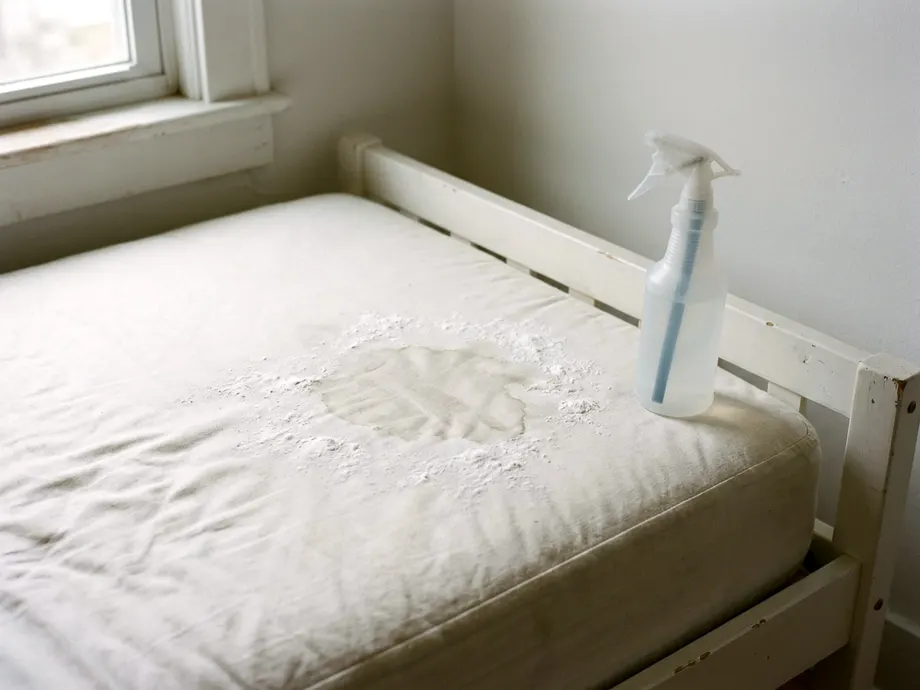
A stained mattress requires a targeted cleaner and enough time to dry. You can lift fresh accidents, old yellow sweat marks and trapped odors using basic household supplies and an enzyme spray. The trick is applying enough moisture to dissolve the mess without soaking the bed.
Having the right tools nearby stops a fresh spill from soaking deeper while you look for a towel. You need these items.
- A vacuum with an upholstery attachment and a crevice tool
- A stack of dry white towels or heavy paper towels
- A pet stain enzyme cleaner for any biological accidents
- A spray bottle filled with water, a little hydrogen peroxide and a few drops of clear dish soap
- A fresh box of baking soda for removing odors
- A soft scrubbing brush or an old toothbrush
- A box fan or oscillating fan to speed up drying time
Remove the sheets and vacuum the bare mattress
Take off all sheets, blankets and the mattress pad. Wash your bedding while you treat the stains. Leave the bare mattress on the frame so you can reach all four sides.
Put the upholstery attachment on your vacuum. Run it over the entire top of the mattress in overlapping lines. Dust, hair and skin cells gather in the dimples and along the flat surfaces.
Switch to the crevice tool to pull crumbs and lint out of the deep seams. Run the nozzle along the top and bottom piping. Vacuuming first stops loose dirt from turning into mud when you apply a wet cleaner.
Handling attached toppers and memory foam
Many modern beds have a built-in pillow top or a thick layer of memory foam. Memory foam acts like a giant sponge that traps dust and liquid. Vacuum these thick tops twice. Press the upholstery tool down firmly to vibrate the dust out of the dense foam.
Soak up fresh spills before they sink into the foam
Act fast when you catch a fresh spill. Grab dry white towels and press them straight down into the damp area. Use heavy, steady pressure. Lean your body weight on your hands to force the liquid up.
White towels show you exactly how much liquid is coming out. They also prevent accidental dye transfer to your bed. Do not rub the towel side to side. Rubbing pushes the mess outward and drives the liquid deeper.
Keep moving to a dry part of your towel as you work. Stop blotting when no more moisture transfers to the cloth. Now you can see how far the damp spot reaches.
Break down urine with enzymes and skip the bleach
Urine stains often leave residue that basic soap misses. A pet stain enzyme cleaner is made to break that residue down. Spray the enzyme formula over the entire damp area. Apply enough to reach as deep as the original spill went.
Let the spray sit for a short time. The enzymes need time to digest the organic matter. Blot the spot again with dry towels to pull up the cleaner and the dissolved mess.
Never clean a urine stain with bleach. Mixing bleach with ammonia, including the ammonia in pet or human urine, creates chloramine gas. Breathing this toxic gas can cause burning, coughing and breathing trouble.
If you breathe fumes from mixed cleaners, the Tennessee Poison Center advises airing out the area and getting fresh air, and calling 911 if breathing symptoms persist or worsen. The Poison Help line in the US is 1 800 222 1222. Stick strictly to commercial enzyme formulas for biological spills.
Lift yellow sweat rings with hydrogen peroxide
Old sweat leaves crusty yellow rings that set into the fabric over time. You can break these down with a mild home solution. Mix water, a little hydrogen peroxide and a few drops of clear dish soap in a spray bottle, and test it on a hidden spot first. Shake the bottle gently to combine the liquids.
Mist the yellow stains lightly with the soap mixture. Do not saturate the mattress. Too much liquid takes days to dry and may encourage mold inside the foam. Let the mild cleaner sit on the sweat stains for a little while.
Dip a clean toothbrush in plain water. Gently agitate the edges of the yellow ring. Work from the outside of the stain toward the center. This motion prevents the mark from spreading wider.
Follow up with a dry towel to pull out the remaining moisture. You might need to repeat this process twice for dark rings. Lifting old stains out of soft fibers takes time.
Rinsing the soap away
Leaving dish soap in the mattress fabric attracts dirt later. Soap residue turns sticky when it dries. You must rinse the area without pouring water on the bed.
Wet a clean microfiber cloth in the sink and wring it out completely. Press the damp cloth into the treated area to pull up the soap. Repeat this with a fresh cloth until the mattress feels clean.
Pull trapped odors out with a heavy coat of baking soda
Mattresses hold onto body oils and sour smells long after a stain dries. Baking soda neutralizes these odors without adding any extra moisture to the bed. Sift a heavy layer of baking soda over the entire top of the mattress. Focus extra powder on the spots you just treated.
A flour sifter or a fine mesh strainer helps you lay down an even coat without clumps. Leave the baking soda undisturbed for several hours, or a full day if you have a spare place to sleep tonight. The dry powder acts as a sponge for lingering moisture and trapped smells.
Vacuum the mattress again with the upholstery attachment to remove every trace of the powder. Go over the tufts and seams a second time. Baking soda feels gritty if you leave it behind. Empty your vacuum canister halfway through the job so the fine dust does not clog your filter.
Dry the mattress fully before you make the bed
A damp mattress can grow mildew inside the dense padding. You must remove all residual moisture before you put the sheets back on. Open the bedroom windows to create cross ventilation in the room. Turn on the ceiling fan and point a box fan directly at the wet spots.
Warm moving air pulls moisture out of the foam much faster than still air. Press a dry paper towel hard against the treated areas. If the paper towel feels cold or damp, the bed needs more time.
Prop the mattress up on its side against a wall if the moisture went deep. Standing the bed up exposes the bottom side to the air. This speeds up evaporation. Plan for the drying process to take a full afternoon.
Using heat safely
You can speed up the drying process with a hairdryer if you only cleaned a small spot. Keep the dryer on a low or medium heat setting. Hold the nozzle several inches away from the fabric. Keep the dryer moving back and forth.
High heat can damage synthetic mattress fibers and memory foam, so do not rush this final step.
Buy a waterproof cover to block the next accident
Cleaning a thick foam or spring bed takes physical effort and a lot of time. You can skip the scrubbing next time by trapping spills at the surface. Buy a waterproof mattress protector that fits your exact bed size. Look for a cover with a thin polyurethane backing rather than cheap plastic.
Polyurethane backing blocks liquids, and many covers still let some air through. Wash the protector regularly, following its care label. If a child or a pet has an accident, you just strip the cover off. The actual mattress underneath stays clean and dry.
Measure your mattress depth before you buy so the cover fits.
Choosing the right cover
An encasement protector zips entirely around the mattress and may help block bed bugs and dust mites. A fitted sheet style protector just slides over the top and sides. The fitted style is much easier to remove and wash when a late night accident happens. Choose the fitted style for a child's bed or if you have older pets.
Next snags we can fix
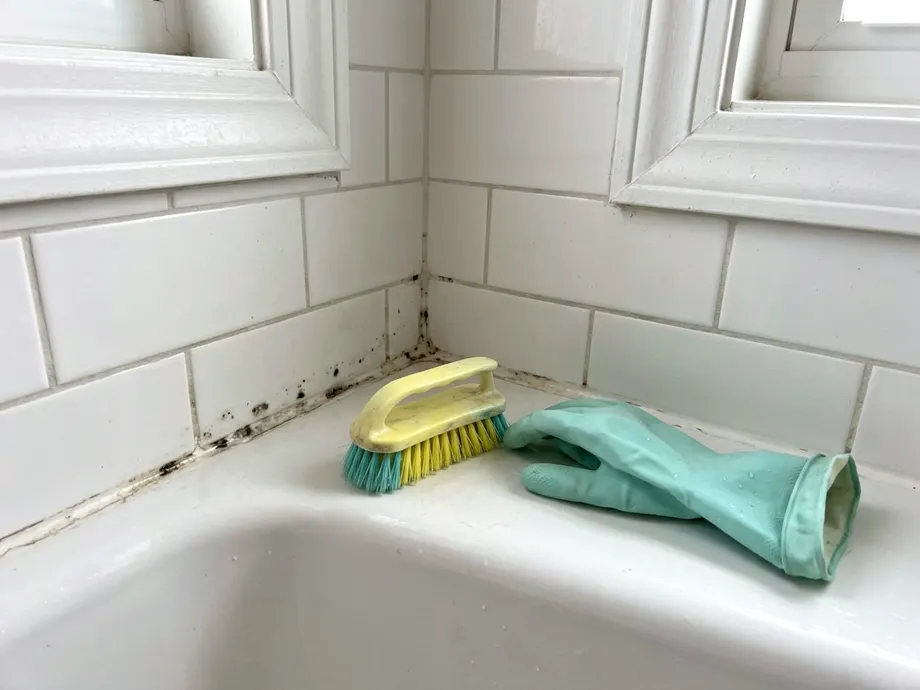
How to remove bathroom mold and keep it from coming back
Learn effective bathroom mold removal to scrub away stubborn dark spots and fix the hidden moisture issues that keep bringing the problem back.
Cleaning Shortcuts 7 min fix
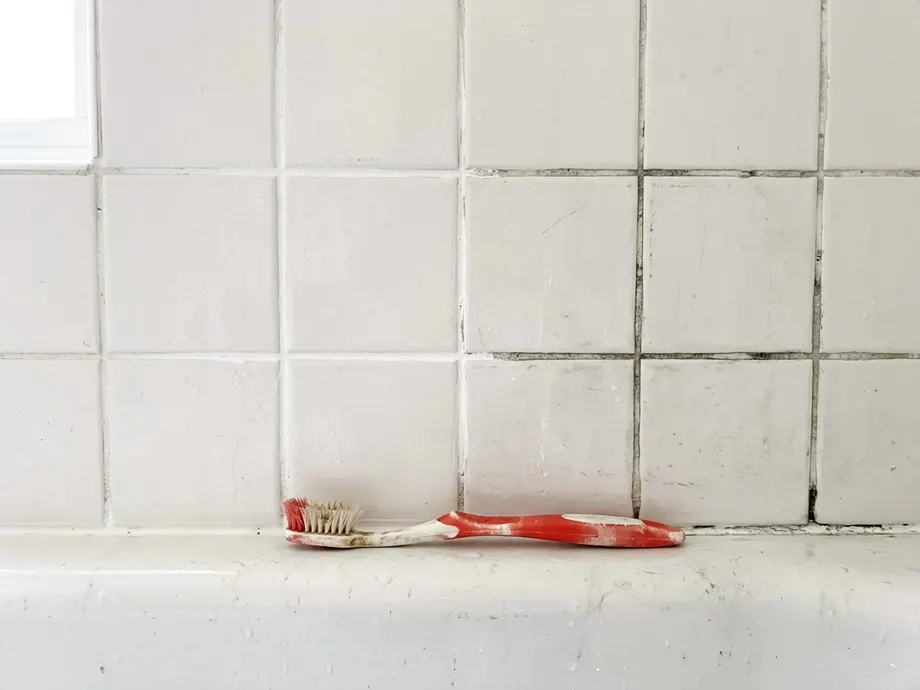
7 ways to get dirty grout clean again, mildest first
How do I clean grout? Try seven practical methods ranked from mildest to strongest, plus safety rules to keep bathroom tile looking fresh.
Cleaning Shortcuts 6 min fix
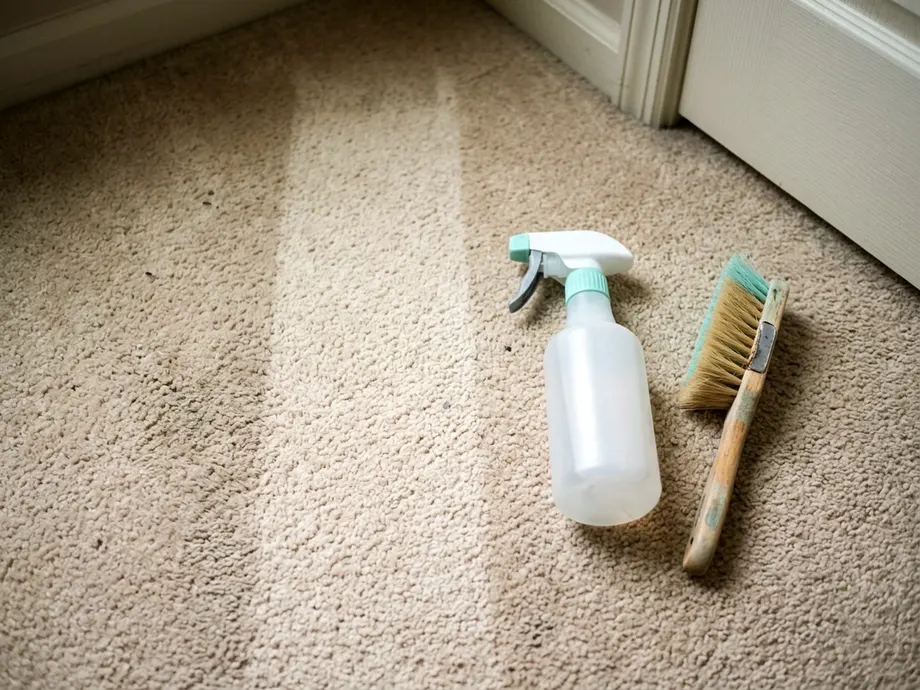
How to clean carpet at home without renting a machine
Learn how to clean carpet at home using simple tools and everyday methods to lift dirt, remove stains and refresh traffic lanes without renting a machine.
Cleaning Shortcuts 7 min fix