When to clean air vents yourself and when ducts need a pro
Learn how to clean the vents in your home yourself, the three signs you actually need a professional duct cleaner and what that service costs.
- Jotted down by Gwen Halvorsen
- 7 min fix
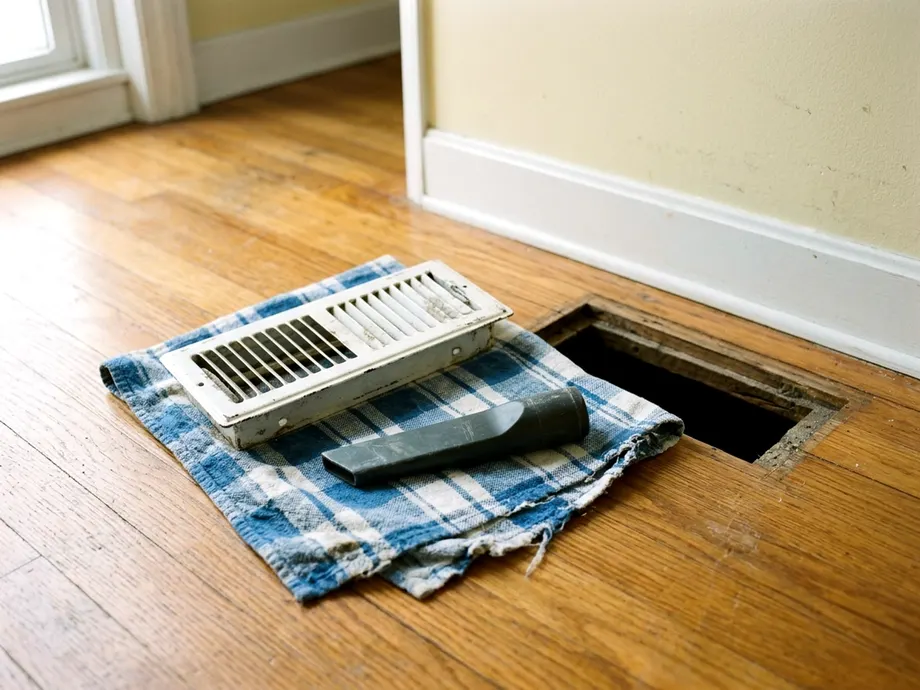
Dust on your air vents looks terrible. You can clean the vents yourself with a screwdriver, dish soap and a vacuum. Homes without the signs EPA lists usually do not need professional duct cleaning. A quick wash of the grilles and a fresh furnace filter usually handle standard household dust.
Why dusty return vents are normal
Return registers are the large grates on your wall or ceiling. Homes also have smaller supply registers on the floors or ceilings that push air out. Return vents pull air from the room back into your heating and cooling system.
This moving air drags pet hair and dirt right across the metal slats. The grille catches the heaviest particles before they enter the duct.
Return vents near the floor often collect heavy pet fur. Vents near the ceiling may gather finer gray dust. Seeing a thick gray mat of dust on these grates is common. The Environmental Protection Agency says dusty return registers are normal and can be vacuumed or removed and cleaned.
Much of the dust lands on the grille. Air filters catch finer dust further down the line.
A dirty vent cover just means the system circulates air exactly as designed. Do not panic and assume your entire duct network is clogged. You can remove that dust in a few minutes. You do not need expensive tools or harsh chemicals.
Remove and wash vent covers in the sink
Turn off your heating and cooling system at the thermostat. You do not want the fan to blow dirt into your eyes while you work.
Take the vent covers off the wall to wash them properly. Wiping them in place pushes dirt back into the duct. It also smears greasy dust across your paint. Grab a step stool and a screwdriver.
Check the screws before you start. Many older covers have layers of wall paint sealing the screws in place. Score the edge of the screw head with a utility knife to break the paint seal. Keep a cup nearby to hold the screws so they do not get lost.
Carry the metal or plastic covers into the kitchen. Set them next to the sink. Floor registers often lift right out without screws, but they trap crumbs and coins. Tip floor registers upside down over a trash can to knock out the loose debris.
Fill the sink basin with warm water and add liquid dish soap. Submerge the grilles and let them soak for ten minutes. The soap breaks down the sticky household oils holding dust to the metal.
Use a soft sponge to scrub between each louver. Pay attention to the corners where dust clumps together. Rinse each cover under the faucet until the water runs clear. Dry the grates completely with a cotton towel.
Wet metal can rust. Shake the covers to force water out of the screw holes. Leave them on the counter for an hour to air dry fully.
Vacuum the first reachable section of duct
While the covers dry on the kitchen counter, go back to the open holes in your walls. You can clean the first foot or two of the metal box behind the vent.
Bring your household vacuum cleaner to the opening. Attach the flexible hose and push a soft brush attachment onto the end. A crevice tool works well for the tight corners, but a brush sweeps the flat metal best.
Reach the nozzle into the opening and turn the vacuum on. Sweep the brush along the sides and bottom of the metal box. Vacuum up any loose dust bunnies or stray pet hair.
Stop when you reach the end of the metal box. Do not shove the hose deep into the ductwork. Standard vacuums lack the reach to clean main trunk lines.
Pushing a stiff plastic hose around a blind corner can tear flexible ducting. A torn duct leaks warm air into empty wall spaces. Vacuum just what you can clearly see and reach with your hand.
Change the furnace filter while you are there
Clean vent covers stay clean longer if the central air filter is fresh. Locate the filter slot on your main heating and cooling unit. This sits near the large blower motor. You will usually find it in a basement, a garage or an attic closet.
Pull the old filter out and check the cardboard frame. A clogged filter blocks air flow and forces the blower motor to work harder. Gaps around a loose filter can also let air and dust bypass it.
That escaped dust travels through the ductwork and settles on your clean grilles. If you are doing seasonal chores, you might also clean your AC drain line.
Buy a new filter that matches the size printed on the old frame and the type your system's manufacturer recommends. Slide the new filter into the slot. Find the arrow printed on the side of the cardboard edge.
That arrow must point toward the furnace unit. It matches the direction the air flows. Write the date on the cardboard with a marker.
Know the three signs ducts may need a professional
Most homes usually do fine without professional duct cleaning. The EPA says duct cleaning has never been shown to actually prevent health problems.
EPA says studies do not clearly show that dirty ducts raise the dust levels in a home. Everyday vacuuming and dusting handle the particles that do escape.
You only need to hire a professional crew under very specific conditions. The EPA says to consider duct cleaning when there is substantial visible mold, vermin in the ducts, or excessive dust and debris coming out of supply registers.
Supply registers blow heated or cooled air into your rooms. If chunks of debris blow out onto the floor, your ducts might need a thorough clean. Vermin means mice, rats or insects nesting inside the metal tunnels.
Pests leave droppings and chew through flexible materials. If you spot signs of bugs coming from the vents, consider having a pest control service deal with the pests first.
Substantial visible mold inside a hard metal duct is one of EPA's signs to consider cleaning. Condensation can pool in dirty ductwork during humid weather. EPA says mold will return if the moisture source is not fixed.
If you have similar trouble in bathrooms, read about removing stubborn mold. EPA also says wet or moldy fiberglass insulation cannot be cleaned effectively and should be replaced. A professional can identify the source of the moisture.
Get local quotes, since published price ranges can be dated
Professional duct cleaning usually involves specialized equipment and trained crews. The crew brings that equipment into your home and connects it to your main trunk lines.
The process can take several hours. You will need to clear space around every vent in your house so the crew can access them.
The EPA's duct cleaning page says services typically, but not always, cost $450 to $1,000 per heating and cooling system.
Use that range as a rough baseline, because published prices can be dated. Always ask for local estimates. Prices vary widely depending on the city and the specifics of your house.
Your final bill depends heavily on access. Crawlspaces and tight attics make the job harder, pushing the price up.
The number of systems also changes the price. A two-story house with a furnace in the basement and a separate heat pump in the attic counts as two systems. Call three local companies to get exact quotes for your specific address.
Questions to ask before you hire a duct cleaner
Call companies and ask them about their process. Not all services use the same methods. Some hook a massive vacuum to the main trunk line. They use compressed air whips to blast dirt toward the vacuum.
Others run mechanical brushes through every foot of the system to physically scrape the metal clean. Ask each contractor how they plan to loosen the dirt. Ask how they protect your furniture and carpets from the fine dust they pull out.
The EPA suggests confirming that a duct cleaning provider follows the National Air Duct Cleaners Association's standards. Ask the contractor directly whether they follow those standards, and whether your state requires a license. EPA does not certify duct cleaners.
EPA also suggests asking whether the provider will check for asbestos and seal and re-insulate any access holes they make. Get the total cost and scope in a written agreement before work begins.
Ask the contractor to show you the contamination before they start. A good technician will walk you to the furnace. They will open an access panel and shine a flashlight on the problem.
They should explain exactly what you are looking at. If they cannot show you a real issue, your system might be fine. You can just wash the covers in the sink and save your money.
Next snags we can fix
Can you clean a popcorn ceiling without it falling apart
Learn how to clean popcorn ceiling textures safely. Remove dust, treat small stains and block water spots without damaging older materials.
Household Fixes 7 min fix
How to clean an AC drain line before it leaks indoors
Clear a clogged AC drain line fast with a wet dry vacuum and distilled vinegar. Learn how to clean ac drain line pipes before water damages your floors.
Household Fixes 6 min fix
Which travel documents you need to fly in the US and abroad
Find out exactly which US travel docs you need to board your next domestic or international flight and what to do if your ID falls short.
Trip Planning 6 min fix