Which travel documents you need to fly in the US and abroad
Find out exactly which US travel docs you need to board your next domestic or international flight and what to do if your ID falls short.
- Jotted down by Hattie Gundersen
- 6 min fix
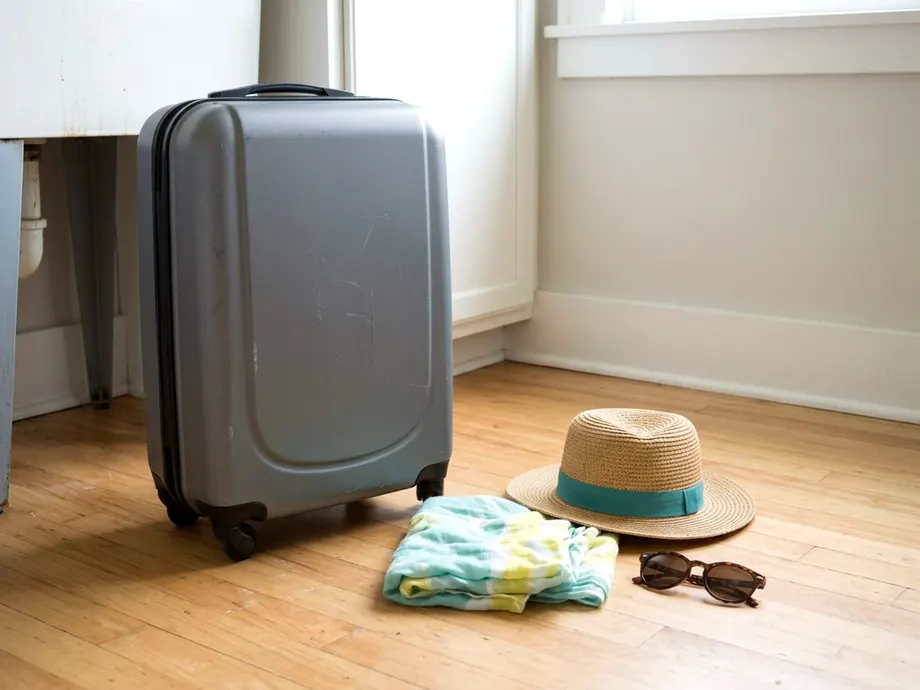
You need acceptable ID to board a domestic flight and, per USAGov, a passport to travel to most countries outside the US. A driver's license with a star in the upper right corner is REAL ID compliant. You have options if your wallet gets lost or your license falls short of the requirements.
Check whether your license is REAL ID compliant
Take out your driver's license or state identification card. Look at the top right corner. As of November 2026, USAGov says a driver's license or state ID with a star in the upper right corner is REAL ID compliant. That small star tells the airport security agent your card meets federal standards.
A compliant card is the simplest way to show ID at the checkpoint. The federal government sets the rules for secure identification. States issue the actual cards. This means the star might look different depending on where you live.
Check your state's licensing agency if you are unsure whether your card counts.
A license without a star is not REAL ID compliant. USAGov says you can still fly with a passport or other acceptable ID listed by the TSA, so check tsa.gov for how a non-compliant card is handled.
Check your card months before you pack your bags. Getting a compliant card takes time, and your state's licensing agency sets the steps and documents.
You will generally need proof of identity, proof of your Social Security number and proof of state residency. A lease, utility bill or bank statement can serve as residency proof.
Give yourself a few months to complete the process. State offices get backed up and mailing the new card takes weeks.
What to bring to the airport if your ID is not compliant
You might lose your wallet the day before your flight. Your newly issued compliant card might still be in the mail. You may still be able to fly. As of November 2026, USAGov says travelers 18 and over without an acceptable ID can pay a $45 TSA ConfirmID fee to verify identity for flying.
USAGov says the $45 fee is paid in advance through pay.gov to avoid airport delays. Check tsa.gov for the current ConfirmID steps before you travel.
USAGov describes the fee as paying TSA to verify your identity.
Allow extra time for this process, and check tsa.gov for current guidance on when to arrive.
The checkpoint might be busy, so expect some delay.
Bring any other documents you have, and check tsa.gov for which ones TSA accepts.
Other documents may not replace an acceptable ID, so do not count on them.
As of November 2026, USAGov says TSA ConfirmID verification is valid for 10 days from departure. This may cover a short round trip, but check tsa.gov to confirm how it applies to your return flight.
Keep your boarding pass and any paperwork the agent gives you. You will need a new verification check if your trip lasts longer than 10 days.
When a flight needs a passport instead of a license
A state ID only gets you on flights within the United States. USAGov says you need a passport to travel to most countries outside the US. A driver's license holds no weight at an international border.
You will usually show your passport at airline check-in.
You also show it to customs officers when you land. Keep your passport with you for the trip home.
Make sure you pack the correct format, and check travel.state.gov to see which one your trip requires.
Always grab your passport when you gather your vacation packing essentials.
Children generally need their own passports to travel abroad. The rules for domestic flights with a child are set by TSA and the airline, so check tsa.gov and your airline.
Start the application early for kids. USAGov says the process for a child's passport depends on the child's age, so check travel.state.gov for the steps and documents.
Check passport validity and processing times on travel.state.gov
Check travel.state.gov and your destination's entry rules for how long your passport must remain valid.
An airline will deny you boarding if your expiration date is too close. Pull your passport out of the drawer before you book a ticket. Open the photo page. Find the expiration date.
Compare the expiration date with your planned return date and your destination's rules, and renew if it falls short.
Also check your destination's entry rules for any blank page requirements.
Check travel.state.gov for what to do if you run out of pages.
Processing times change throughout the year. Demand usually spikes in late winter and spring. Check the US Department of State website at travel.state.gov for exact timelines.
The site tells you how many weeks a routine renewal will take. It also lists the timeline for an expedited application.
Build in extra time for shipping. Check travel.state.gov to see whether the posted timelines include mailing time, and allow extra for shipping.
Faster shipping can help if you have a tight deadline.
Some situations qualify for urgent travel service. Check travel.state.gov to see who qualifies and how to ask for an appointment.
Read the entry requirements for your destination to understand the current travel advisories.
Save time at security with a trusted traveler program
Security lines add stress to travel days. You can bypass the standard queues by joining a federal program. As of November 2026, USAGov says approved Trusted Traveler Program memberships such as TSA PreCheck and Global Entry last 5 years.
TSA PreCheck gives members expedited lanes for departures from US airports.
Applicants submit a fee and proof of identity through the application site.
Global Entry gives members expedited entry into the United States from international destinations.
USAGov says some programs require an interview, so check the program's own requirements before you apply.
A membership does not replace your physical ID. You still need your driver's license or passport. The membership simply links your known traveler number to your airline profile. You must enter this number when you buy your ticket.
The name on your reservation should match your membership, since a mismatch can stop the benefit from applying.
Some credit card benefits may cover the application fee, so check your card terms before you apply.
Confirm current ID rules on tsa.gov the week you fly
Airport security procedures shift over time. Federal agencies adjust the accepted documents based on new security directives. You want to know exactly what the agent expects before you reach the front of the line.
You might need to prep a rental car upon arrival.
Visit tsa.gov a few days before your departure. Look for the security screening section. The site lists every accepted form of identification.
Read the list to see if a specialized card you carry works for flying.
Rules for children often cause confusion. The Transportation Security Administration sets the ID rules for minors, so check tsa.gov for the current ones.
Check the airline's rules separately for minors.
Ask your airline whether it wants proof of age, such as a birth certificate, for your child.
Digital identification may be accepted at some airports, so check tsa.gov for which states and checkpoints take it.
Do not rely solely on a phone, since equipment fails and batteries die. Carry your physical card as a backup.
Keep your physical card secure in your carry-on bag through the checkpoint.
Next snags we can fix
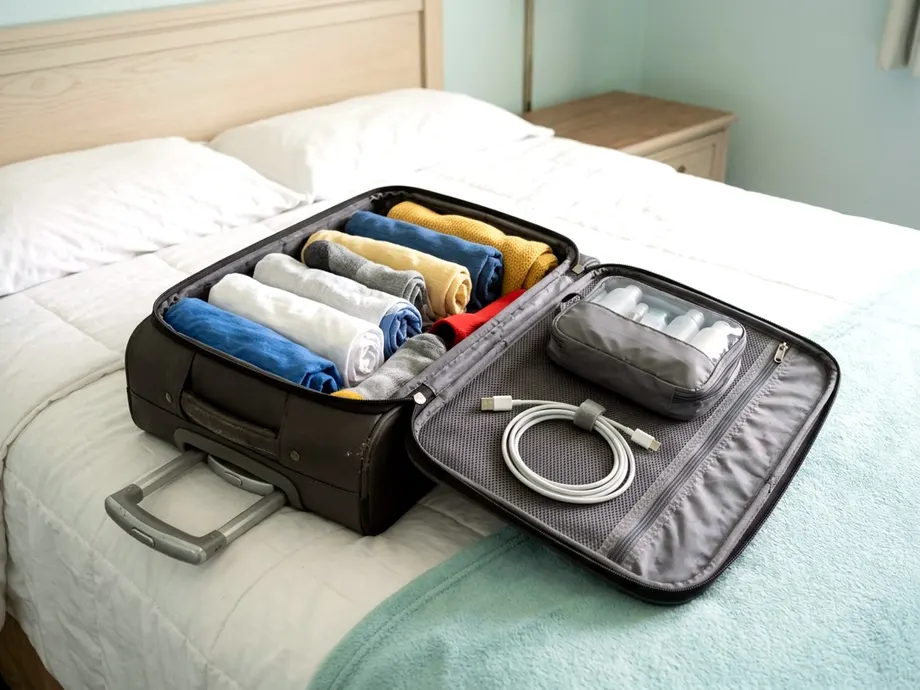
9 things to put on a vacation packing list first
A solid packing list for vacation starts with the essentials you cannot easily replace. Pack your documents, medications and carry-on items in this exact order.
Trip Planning 7 min fix

Can you clean a popcorn ceiling without it falling apart
Learn how to clean popcorn ceiling textures safely. Remove dust, treat small stains and block water spots without damaging older materials.
Household Fixes 7 min fix
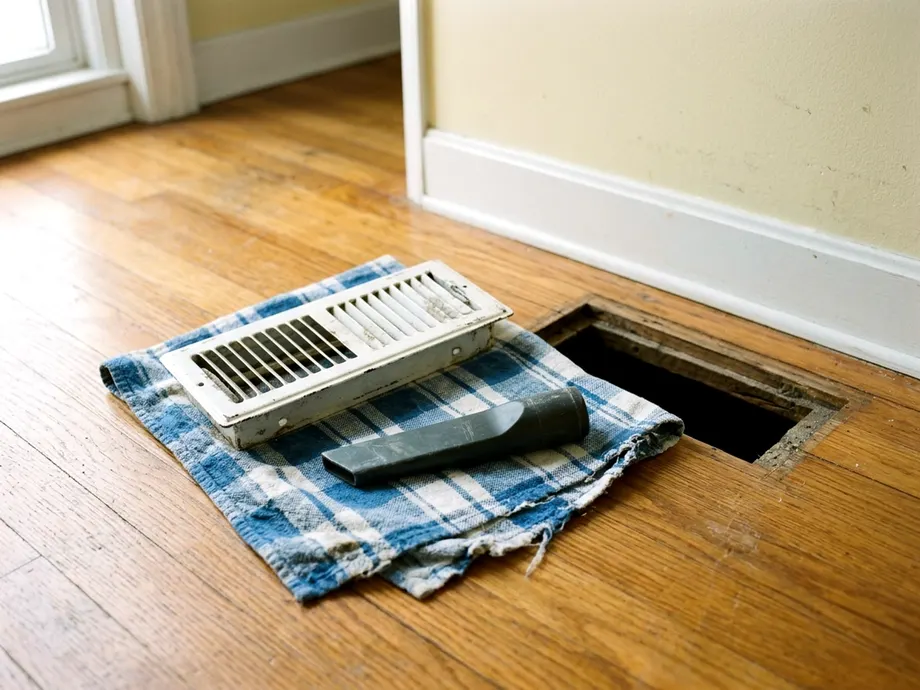
When to clean air vents yourself and when ducts need a pro
Learn how to clean the vents in your home yourself, the three signs you actually need a professional duct cleaner and what that service costs.
Household Fixes 7 min fix