8 steps to plan a road trip and get the car ready for it
A practical guide to planning out a road trip with eight steps to map your route, budget your stops, and get your car ready for the long drive ahead.
- Jotted down by Gideon Hargrove
- 7 min fix
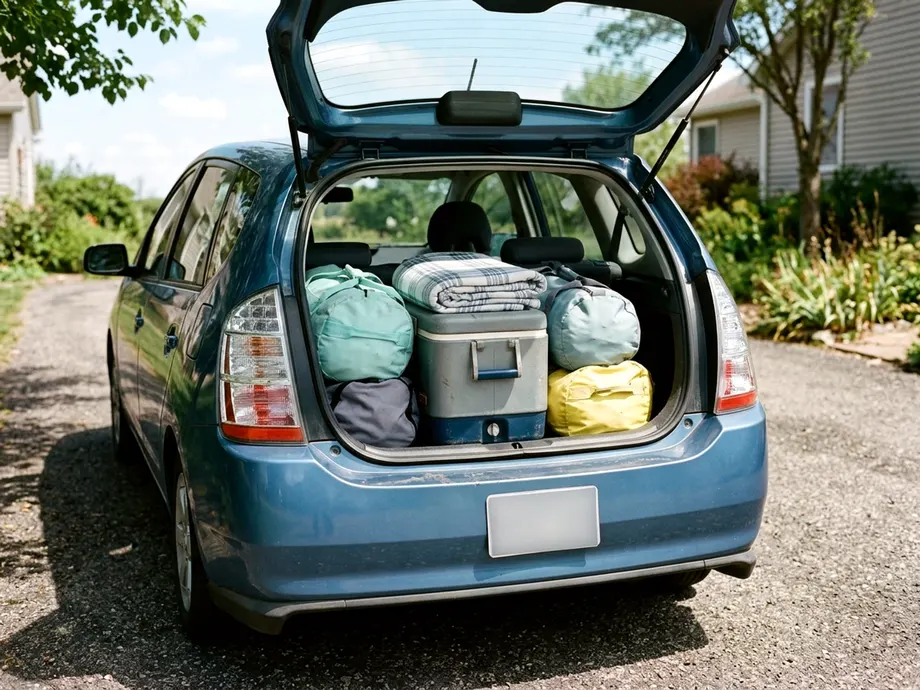
Planning out a road trip means setting a realistic route, budgeting stops, and making sure the car is ready for the miles ahead. Map the daily driving limits before pulling out of the driveway. Inspect the tires and fluids early to keep everyone safe.
1. Set the route and daily driving limit first
Trace the main path first and decide exactly how many hours to drive each day. Driving hours usually stretch into a longer day once stops are added. Setting a firm daily cap keeps the distance realistic. It prevents the driver from pushing through exhaustion just to reach a destination.
Use a digital map to test different routes. Pick a primary route that uses interstate highways and a secondary route along state roads in case a crash shuts down the main highway. Divide the total distance by the daily driving limit. This shows the exact towns for sleeping.
Book hotels or campsites in those specific towns before leaving home. This gives a guaranteed destination each evening to avoid searching for an empty room in the dark. It also helps pack the overnight bags correctly. You know exactly where they will be unpacked.
2. Plan stops for fuel, food and rest
Break up the drive by scheduling a stop every couple of hours. Sitting in one position stiffens the back and slows reaction time. A rigid timetable is unnecessary. Just know roughly where the rest areas and gas stations sit along the route.
Look at the map to spot stretches where services are sparse, like mountain passes and long desert roads. Plan to fill the gas tank before hitting those empty sections, even with half a tank left. Running out of gas in a remote area ruins a travel day. It forces a long wait for a tow truck.
Decide how to handle meals to save time and money. Packing a cooler with sandwiches avoids long drive-through lines at crowded highway exits. Pick towns with actual sit-down options for a hot meal. A proper restaurant gives the brain a break from the highway.
3. Set the tire pressure from the door jamb sticker
Find the recommended tire pressure on the sticker inside the driver's side door jamb or glove box, or in the owner's manual. Never use the maximum pressure printed on the tire sidewall. Setting tires to that maximum level can cause a harsh ride and uneven tread wear.
Check the pressure in all four tires with a digital gauge. Do this while the tires are cold, before starting the daily drive. Driving heats up the rubber and expands the air inside, causing an inaccurate reading. Inflate them to match the sticker exactly.
The US Department of Energy points out that keeping tires properly inflated can improve gas mileage by 0.6 percent on average. In some cases, it improves mileage by up to 3 percent.
Do not forget to check the spare tire in the trunk. A flat spare does no good on the side of the highway. Fill it to the pressure listed for the spare, which can differ from the main tires.
4. Check oil, coolant, wipers and lights before you go
Pull the car onto a flat surface and open the hood to check the essential fluids. Pull the oil dipstick, wipe it clean, slide it back in, and check the level. A fresh filter and clean oil protect the engine during long highway runs. Check the coolant reservoir only when the engine is cool, and make sure the fluid reaches the fill line.
Turn the key to power the battery and test every exterior light. Have a friend stand outside to check the headlights, taillights, turn signals, brake lights, and reverse lights. A burnt-out bulb gives police an easy reason to pull the car over. It also limits visibility at night.
Inspect the windshield wipers for cracked or peeling rubber. Replace them immediately if they leave streaks when spraying the washer fluid, since road trips often involve sudden rainstorms. Top off the windshield washer fluid reservoir while under the hood.
5. Pack heavy items low and skip the roof box if you can
Load the heaviest suitcases and gear flat on the floor of the trunk to maintain a low center of gravity. This helps the vehicle handle better around curves. Stack lighter bags and soft items on top of the heavy ones. Never stack gear high enough to block the view out of the rear window.
Pack anything needed during the drive inside the main cabin. Keep snacks, water, paper towels, and sunglasses within easy reach. Clean up spilled drinks quickly to prevent stains setting into the fabric. That avoids figuring out how to clean cloth car seats later.
Avoid strapping a cargo box to the roof unless that space is absolutely necessary. A large rooftop cargo box disrupts the airflow over the car and adds drag. The US Department of Energy states that a large rooftop box can cut highway fuel economy by about 6 to 17 percent.
6. Drive steadily to stretch every tank of gas
Keep a steady pace on the highway to get the most miles out of every gallon. Accelerating hard and braking sharply wastes fuel. According to the US Department of Energy, aggressive driving can lower gas mileage by roughly 15 to 30 percent at highway speeds.
Use cruise control on flat roads to maintain a constant speed. Turn it off when hitting hills or heavy rain to keep full control of the vehicle.
Watch the speedometer carefully. Fuel economy generally drops quickly above 50 mph. The Department of Energy estimates that each 5 mph driven over 50 mph is like paying about $0.30 more per gallon of gas.
Anticipate the traffic ahead to avoid sudden stops. Let off the gas early when seeing brake lights in the distance. Coasting to slow down can save fuel and reduce wear on the brake pads.
7. Keep a basic emergency kit in the trunk
Pack a small bag with heavy-duty jumper cables, a basic first aid kit, and extra fuses to handle minor breakdowns. Bring a reliable flashlight with fresh batteries. Add a portable air compressor that plugs into the 12-volt outlet. This fills a soft tire enough to reach a repair shop.
Toss in a few hazard triangles to warn other drivers if the car pulls over. A bright reflective vest makes a person walking around the car at night highly visible to passing trucks. Keep a pair of work gloves and a few shop rags in the bag. These keep hands clean while checking under the hood.
Store drinking water and nonperishable food like granola bars in the trunk. A blown tire in a dead zone without cell service often requires a wait for help.
8. Budget for gas, lodging and food before you leave
Calculate the basic travel costs before putting the car in gear. Divide the total mapped miles of the trip by the car's average highway miles per gallon. Multiply the result by the average price of a gallon of gas along the route, checking state averages online. This provides a baseline fuel budget.
Add the exact costs of the planned hotels or campsites. Estimate a daily food allowance for everyone in the car based on whether meals mean sit-down restaurants or grocery store sandwiches. Multiply that daily cost by the total number of travel days.
Build a generous buffer into the total estimate to cover unexpected expenses. Toll roads, a needed quart of oil, or a sudden state park pass add up quickly.
Keep the car interior clean along the way
A cluttered car makes a long drive miserable, so start the trip with a clean interior. Toss the trash, coffee cups and snack wrappers every time the car stops for gas. Keep a plastic grocery bag looped over the back of a seat. This holds wrappers, cups, and napkins while driving.
Wipe down the steering wheel and dashboard with a microfiber cloth before leaving. Dust and sticky residue attract dirt quickly when eating in the car. Shake out the floor mats at the end of each day. This removes the gravel and dirt tracked inside.
Give everyone in the back their own space for phones, chargers, and books. Small zippered pouches keep cords from tangling under the seats.
Next snags we can fix
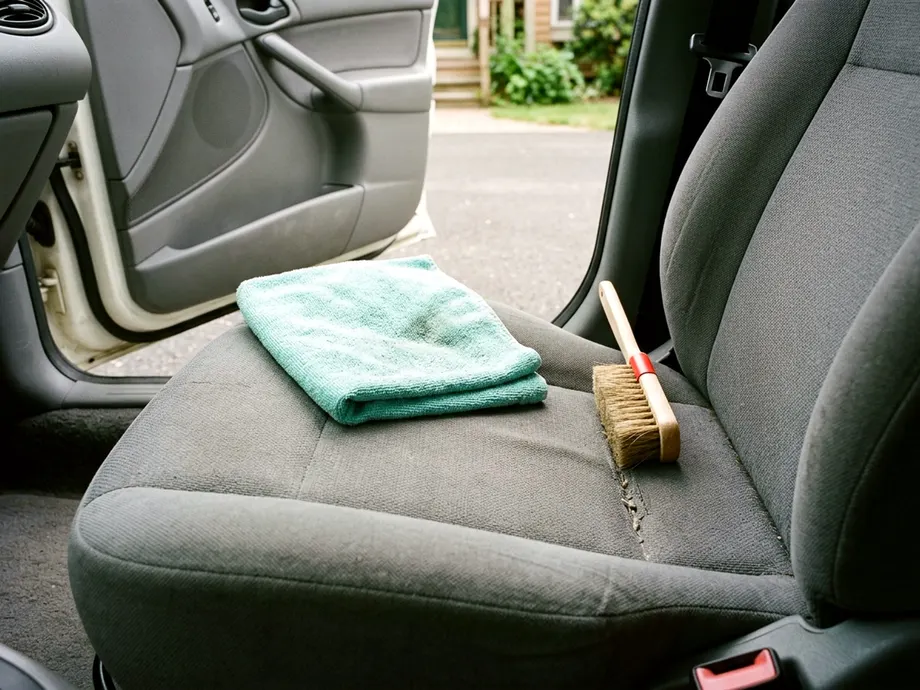
How to clean cloth car seats and get spills out for good
Find out exactly how to clean cloth car seats to lift coffee rings, clear out deep crumbs and treat sticky food spills without ruining the fabric.
Car Care 7 min fix
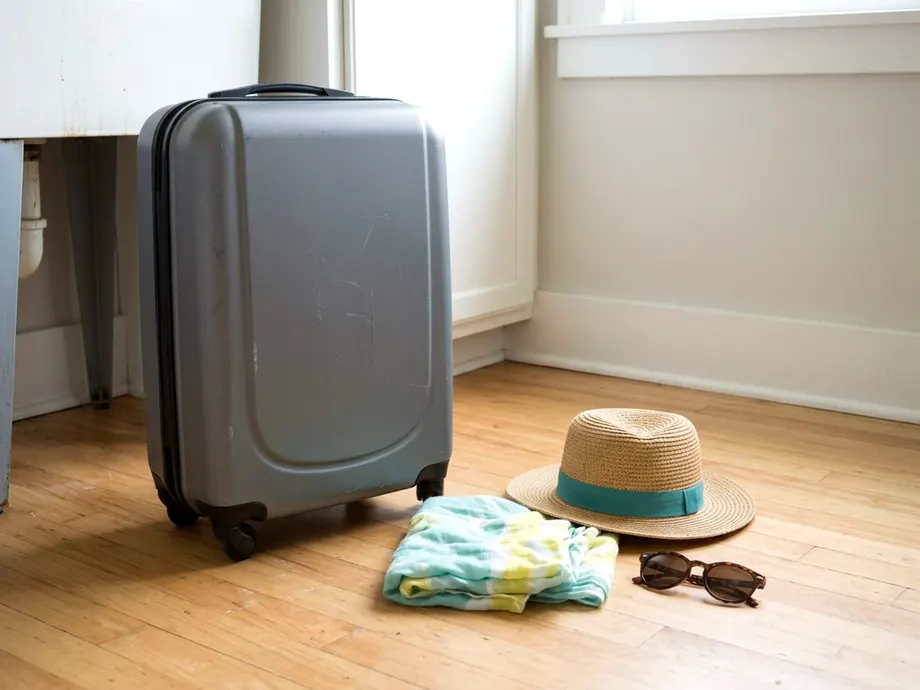
Which travel documents you need to fly in the US and abroad
Find out exactly which US travel docs you need to board your next domestic or international flight and what to do if your ID falls short.
Trip Planning 6 min fix

Can you clean a popcorn ceiling without it falling apart
Learn how to clean popcorn ceiling textures safely. Remove dust, treat small stains and block water spots without damaging older materials.
Household Fixes 7 min fix