How to clean cloth car seats and get spills out for good
Find out exactly how to clean cloth car seats to lift coffee rings, clear out deep crumbs and treat sticky food spills without ruining the fabric.
- Jotted down by Gideon Hargrove
- 7 min fix
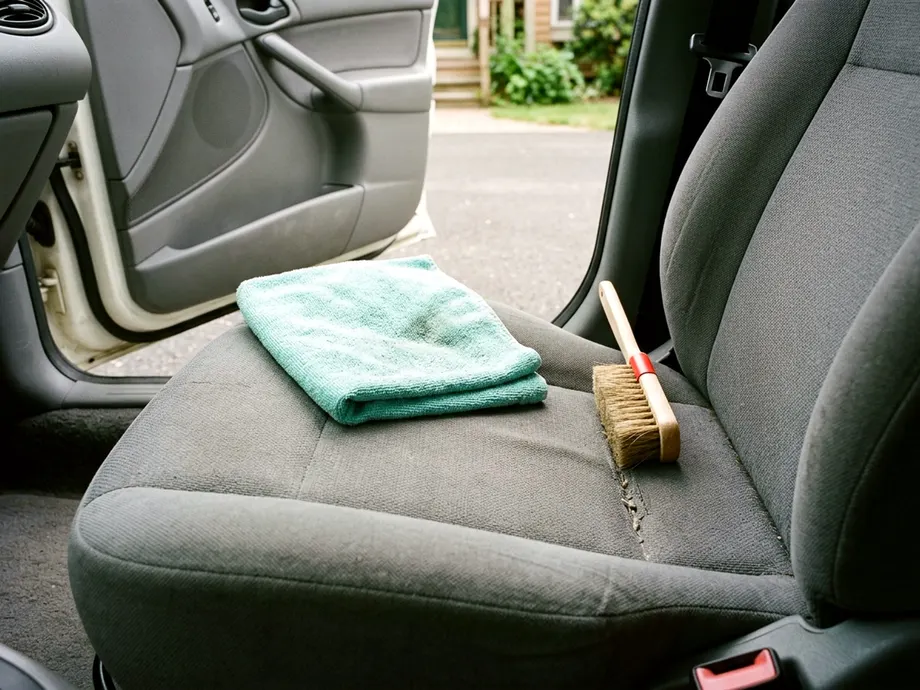
Clean cloth car seats by pulling dry grit out of the seams, blotting spots with a mild fabric cleaner and extracting the moisture fast. A rapid response stops food and coffee from sinking into the foam padding underneath. Quick action keeps the upholstery looking fresh and the cabin free of sour smells.
Check your owner's manual for specific fabric rules
Automakers use specialized fabrics that require careful attention. The manual sitting in your glove compartment dictates exactly what you can apply to the seats safely.
Kia's owner's manual warns that cleaners and procedures it does not recommend may affect the fabric's appearance and fire resistant properties. Unapproved cleaners may weaken that fire resistance, so check what your manual allows.
Look up the interior cleaning section for your specific vehicle. The manufacturer will outline which types of soaps and tools are safe to use. You might find a warning against steam cleaners or stiff brushes.
Brush loose dirt out of the seams
Dry dirt causes problems when it gets wet. A layer of dust turns into muddy streaks the moment you apply a liquid cleaner. Kia's owner's manual says to remove dust and loose dirt from fabric seats with a whisk broom or vacuum before cleaning.
Start by pulling the front seats all the way forward. This exposes the metal tracks and the carpet underneath the bottom cushion. Use a stiff brush to sweep debris out of the tracks so the seat slides smoothly later.
Vacuum the floorboards and the back of the seat first. Move the seat all the way backward to access the front sections.
Pay close attention to the deep crevices. Crumbs and sand gather where the bottom cushion meets the backrest. Spread the seam apart with your fingers. Push a plastic crevice tool on your vacuum hose deep into the fold.
Suction pulls the heavy debris out. A whisk broom helps dislodge trapped sand from the tight stitching lines.
Go over the broad fabric panels with a brush attachment. The soft bristles loosen the dust clinging to the woven fibers. Work from the top of the headrest down to the seat base. A thorough dry vacuuming often removes the dull appearance that makes seats look dirty.
Pet hair weaves itself into cloth seats stubbornly. A standard vacuum attachment often leaves the fine hairs behind.
Put on a dry rubber dish glove and rub your hand across the cushion. The rubber grabs the hair and rolls it into clumps. You can then vacuum the large clumps up easily.
Treat fresh spots immediately
Liquid sinks through cloth rapidly. A spilled drink reaches the foam padding below the fabric if you let it sit. Kia's owner's manual says to remove fresh spots immediately with a fabric spot cleaner.
Grab a dry cloth or a paper towel the moment a spill happens. Press it firmly against the wet spot. Heavy pressure forces the liquid up into your towel.
Do not rub the cloth back and forth across the cushion. Rubbing pushes the liquid deeper.
It also spreads the stain wider across the surface. A splash of morning coffee or a dropped fry leaves an oily mark. Blotting the spot immediately stops the liquid from traveling down the fibers.
Fold your towel frequently. You need a dry patch of cloth to absorb the moisture. Keep pressing until no more liquid transfers to the towel. Removing the bulk of the spill right away makes the cleaning much easier later.
Tackling the mess early is one of the practical steps to plan a road trip with a clean car.
Sticky messes like melted candy require a different approach. Do not try to scrape dried sugar off with a knife. The sharp edge catches the woven threads and pulls them loose.
Dampen a cloth with warm water and hold it over the candy. The heat softens the sugar so you can wipe it away safely.
Test your cleaner on a concealed spot
Every fabric reacts differently to cleaning agents. A strong chemical can bleach the color out of a dark seat. It can also leave a permanent water ring on a light one. Kia's owner's manual says to test all cleaners on a concealed area before use.
Find a patch of fabric that remains out of sight. The flap of cloth tucked under the front edge of the seat works well. You can also use the lower corner on the back of the seat.
Apply a small drop of your chosen cleaner to the test area. Wait a few minutes. Blot the spot with a plain white cloth. Look closely at the white cloth.
Any dye transferring to your towel means the cleaner is too harsh. Inspect the test patch on the seat. A visible ring or a change in texture means you need a different product. Checking first saves the main cushions from permanent damage.
Wash the fabric with a mild soap solution
Heavy chemical detergents are rarely necessary for everyday dirt. Kia's owner's manual says to clean fabric upholstery with a mild soap solution recommended for upholstery or carpets.
Choose a gentle product designed specifically for automotive cloth or home furniture. Avoid bleach, heavy degreasers and harsh household floor cleaners. A mild soap lifts the body oils and food residue without breaking down the synthetic fibers.
- Spray the cleaner lightly over the stained area.
- Agitate the soap into the cloth gently using a soft interior brush.
- Scrub in straight lines to prevent uneven clean patches.
- Wipe the dirty foam away with a separate, damp cloth.
- Rinse this cloth frequently in a bucket of clean water.
- Wring the cloth out tightly before wiping the seat again.
You want to lift the soap residue away without adding more water to the cushion. This same low-moisture technique works well for floor mats if you need to know how to clean carpet at home.
Pay attention to the areas your skin touches the most. The center armrest and the top of the headrest collect sweat and hair products. These areas might require a second light pass with the soap.
Work on one seat entirely before moving to the next. This keeps the cleaner from drying on the fabric before you have a chance to wipe it away.
Keep moisture away from the internal electronics
Modern car seats contain complicated electronics. The cushions hide seat heaters, weight sensors for the airbags and power adjustment motors. Water can damage these components.
A soaked seat cushion allows dirty water to drip directly onto the wiring harness below. This can cause short circuits and dashboard warning lights. Check your manual or ask a dealer before using more than a damp cloth near seat sensors and airbag parts.
Airbag tags sewn into the side of the backrest indicate where sensitive components live. A heavy spray of cleaner here can soak through to the wiring. Damp electronics can corrode over time.
Control the liquid closely. Never dump water directly from a bucket onto the seat. Never spray a hose inside the cabin. Apply your cleaner to your towel or brush first if you are working near the edge.
Wiping with a damp cloth gives you total control over where the moisture goes. Pay special attention to the seams near the seat belt buckles. Many buckles connect to electronic pre-tensioners.
Keep this area as dry as possible.
Dry the seats fast with the doors closed
Wet fabric can grow mold and smell sour. You must extract the moisture from the seats before the dampness settles in. On a humid day, leaving the windows open can slow the drying.
Start by pressing a thick, dry towel into the damp fabric. Lean your body weight into the towel. The pressure forces the deep moisture up out of the cushion. Keep swapping the towel out for a dry one until no more water transfers.
This manual extraction speeds up the final drying time. Turn the car engine on. Roll all the windows up tight and shut the doors. Turn the air conditioning on and set the fans to blow hard.
The air conditioning system acts as a giant dehumidifier. It pulls the moisture out of the trapped air inside the cabin. The dry air then pulls the remaining moisture out of the seat fabric. Direct the dashboard vents toward the wettest seats.
Remember to switch the climate system to recirculate. Recirculating the air prevents the car from pulling fresh moisture in from outside.
Run the engine only outdoors in open air, never in a closed garage, because exhaust fumes can build up. Check the seats periodically. Press your hand firmly into the center of the cushion. The surface might feel dry while the padding underneath remains damp.
Keep the air running until the deep foam feels completely dry to the touch. A thorough drying routine helps your interior smell fresh the next morning.
Next snags we can fix
8 steps to plan a road trip and get the car ready for it
A practical guide to planning out a road trip with eight steps to map your route, budget your stops, and get your car ready for the long drive ahead.
Car Care 7 min fix
Which travel documents you need to fly in the US and abroad
Find out exactly which US travel docs you need to board your next domestic or international flight and what to do if your ID falls short.
Trip Planning 6 min fix
Can you clean a popcorn ceiling without it falling apart
Learn how to clean popcorn ceiling textures safely. Remove dust, treat small stains and block water spots without damaging older materials.
Household Fixes 7 min fix