Can you clean a popcorn ceiling without it falling apart
Learn how to clean popcorn ceiling textures safely. Remove dust, treat small stains and block water spots without damaging older materials.
- Jotted down by Gwen Halvorsen
- 7 min fix
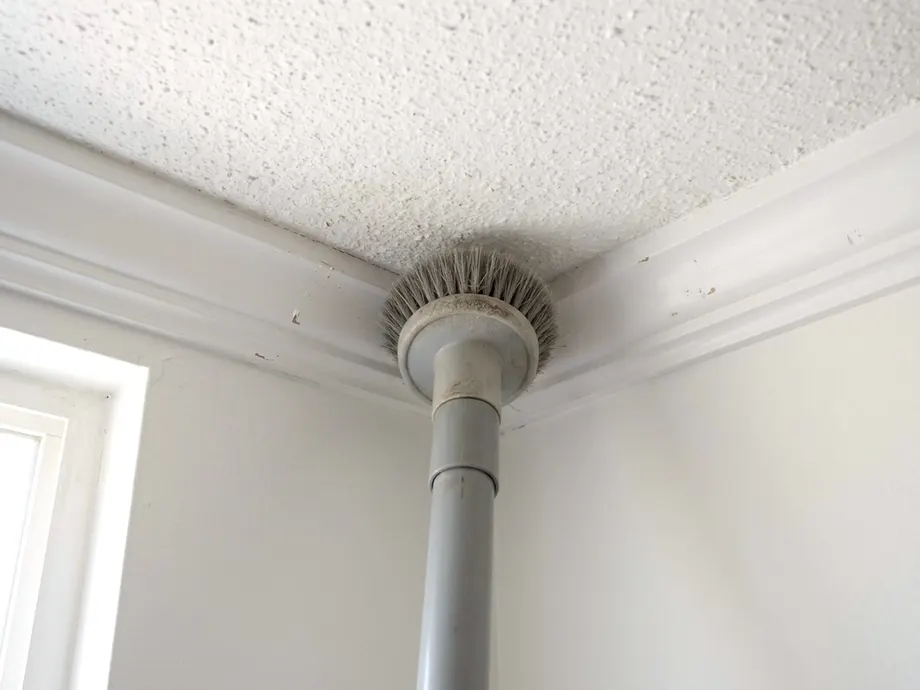
Clean a popcorn ceiling by lifting cobwebs with a lint roller and dabbing spots with a damp sponge. You have to use a light touch because the rough texture breaks apart easily when wet. Check the age of your home before you start rubbing the ceiling to avoid releasing harmful dust.
Check the ceiling age before you clean
Older homes require caution. The Consumer Product Safety Commission says asbestos may be present in textured paint and ceiling joint compounds, and that their use was banned in 1977. Ceilings sprayed before that date might look perfectly fine. The CPSC advises leaving asbestos material that is in good condition alone if it will not be disturbed.
Scrubbing a dirty ceiling disturbs it. The CPSC warns that sanding, scraping or drilling textured surfaces may release asbestos. You can breathe those microscopic fibers into your lungs. Treat any older textured surface as a hazard.
Do not drag a stiff broom across it. Skip the heavy scrub brushes entirely.
Find out exactly when the house was built before you do anything. Renters can ask the property manager for the construction date. Owners can check local property tax records.
Treat a ceiling in a home built before the 1977 ban as possibly containing asbestos unless a professional has said otherwise. Cleaning it safely means avoiding friction and keeping the material stuck firmly to the drywall.
Dust with a lint roller or a soft vacuum brush
Popcorn texture traps dust from ceiling fans and open windows. Cobwebs stick tightly to the tiny bumps in the corners. Air blowing from dirty vents pushes dust onto the ceiling texture.
You want to lift the dirt away without knocking the bumps loose. Check when to clean air vents yourself and when ducts need a pro so you stop blowing new dirt upward.
Put down a plastic drop cloth to catch any falling debris. Move the furniture out of the way so you can walk your ladder easily. Put on safety glasses to keep falling dust out of your eyes. A basic dust mask handles ordinary dust but is no substitute for testing an older ceiling.
A lint roller handles flat cobwebs well. Buy a roller with a long handle designed for picking up pet hair on floors. Roll it lightly over the dirty area. The sticky paper pulls the web right off the texture.
Tear off the sheet when it gets full of dust. Do not press hard against the ceiling. Pressing breaks the dry material and leaves bald spots.
A vacuum works best for loose gray dust. Attach the soft brush tool to the end of the vacuum hose. Do not use a hard plastic crevice tool. A hard tool will scrape the paint off the bumps.
Hold the soft bristles just below the ceiling surface. Let the suction pull the dust down into the hose. Work in small sections so your arms do not get tired.
You can also use a microfiber cloth to wipe the surface. Choose a cloth with a deep pile. Drape it over a dry sponge mop. Sweep the mop across the ceiling with zero upward pressure.
The thick fibers grab the dust while protecting the delicate bumps.
Treat surface stains with minimal water
Popcorn texture softens and flakes when it gets wet, because water weakens the dry material holding it together. You have to clean spots with almost no liquid. Heavy liquid applications will pull the texture off the drywall.
Mix one cup of warm water with a single drop of liquid dish soap. Pour the soapy mixture into a clean spray bottle. Spray a thick sponge until it is barely damp.
Do not spray the ceiling directly. A wet ceiling will crumble and fall on the floor.
Press the damp sponge directly against the stain. Hold it there for a few seconds to soften the dirt. Pull the sponge straight down away from the ceiling.
Do not rub side to side. Rubbing tears the wet texture off. Rinse the sponge in clean water. Wring it out completely.
Press it against the ceiling again. Repeat this blotting motion until the stain fades.
Kitchen ceilings often collect sticky grease. Heavy grease traps cooking smells and turns the paint yellow. You might need something stronger than mild dish soap. Mix equal parts warm water and white vinegar.
Dampen your sponge with the vinegar mixture. Dab the grease spots just like you did with the soapy water. The mild acid cuts through the sticky grease layer. Open a kitchen window to let the strong vinegar smell escape.
Bathrooms often get dark spots above the hot shower. Steam softens the ceiling while dirt feeds the spots. Clean these with the same damp sponge method. Learn how to remove bathroom mold and keep it from coming back to stop the spots from growing larger.
Let the wet spot dry completely. Point a floor fan at the ceiling to speed up the drying process. Inspect the area the next day. Repeat the gentle dabbing if the stain is still visible.
Do not use heavy bleach mixtures on old paint. Bleach can leave a yellow mark on white ceilings. It also weakens the brittle ceiling texture.
Cover water stains only after the leak is fixed
A brown ring on the ceiling means water leaked from above. A clogged AC drain line is one common cause of ceiling leaks. You can learn how to clean an AC drain line before it leaks indoors to prevent future rings.
Scrubbing will not remove a dried water stain. The stain often sits in the drywall behind the texture. You have to seal it and paint over it.
Fix the exact source of the water first. A patched ceiling will just stain again if the roof or pipe still leaks. Wait for the drywall to dry out completely. A damp ceiling will not hold new paint.
Buy a stain-blocking ceiling primer. Many painters use an oil-based aerosol primer on dry water rings, so check the can. Water-based primers can let the old stain show through the new paint. Shake the aerosol can well.
Spray a very light coat over the brown ring. Move your hand constantly to avoid heavy drips. The spray applies the primer without you ever touching the delicate bumps.
Oil-based primer gives off strong fumes indoors. Wear a respirator mask and open all the windows in the room.
Let the first coat dry. Read the spray can for the exact drying time. Spray a second light coat over the stained area.
The dried primer will look flat white. It might match your ceiling perfectly. You can stop here if it blends in well.
Sometimes the fresh primer looks too bright next to old ceiling paint. You will need to paint the whole ceiling to make it match. Buy a flat ceiling paint. Use a paint roller with a thick nap.
A three-quarter inch nap reaches deep into the rough texture. Roll the paint on gently. Roll over each spot in one direction only. Rolling back and forth pulls the wet texture loose.
Call a professional for testing and major damage
Ceilings require repair when the texture flakes off the drywall. A plumbing leak might ruin a large section of ceiling entirely. Old paint sometimes starts peeling away near drafty windows. You have to handle any broken texture with extreme care.
The Consumer Product Safety Commission says any damaged area bigger than the size of your hand is not a minor repair. Do not attempt to fix a large hole yourself. The crumbling edges might contain asbestos. Sweeping up the fallen pieces can stir dust into the air.
Hire a professional to inspect the broken ceiling. You need to know exactly what is in the material before anyone cuts into the drywall or scrapes the edges smooth. The CPSC says a professional should take samples for analysis and that taking samples yourself is not recommended.
Leave sampling to a trained professional, who has the protective gear you lack.
Leave the room alone while you wait for the lab test results. Keep the doors closed. Do not run ceiling fans or floor fans in that room. Moving air scatters the dust through the house.
An expert can tell you if the ceiling is safe to patch. A test shows what is in the material before anyone disturbs it.
Next snags we can fix
When to clean air vents yourself and when ducts need a pro
Learn how to clean the vents in your home yourself, the three signs you actually need a professional duct cleaner and what that service costs.
Household Fixes 7 min fix
How to clean an AC drain line before it leaks indoors
Clear a clogged AC drain line fast with a wet dry vacuum and distilled vinegar. Learn how to clean ac drain line pipes before water damages your floors.
Household Fixes 6 min fix
Which travel documents you need to fly in the US and abroad
Find out exactly which US travel docs you need to board your next domestic or international flight and what to do if your ID falls short.
Trip Planning 6 min fix