How to clean an AC drain line before it leaks indoors
Clear a clogged AC drain line fast with a wet dry vacuum and distilled vinegar. Learn how to clean ac drain line pipes before water damages your floors.
- Jotted down by Gwen Halvorsen
- 6 min fix
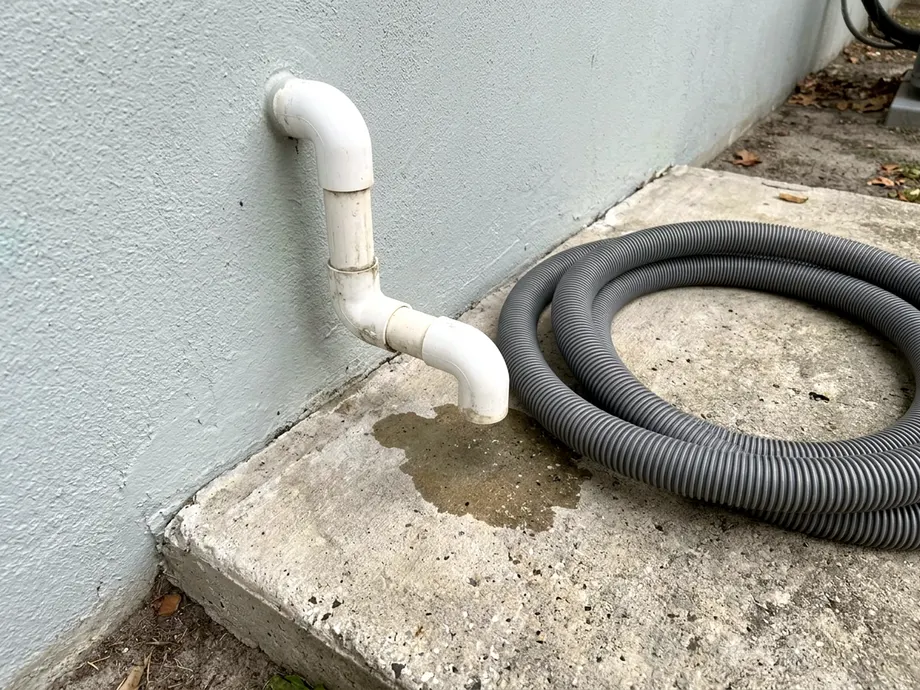
Learning how to clean ac drain line pipes saves you from water damage when the drip pan overflows. Carrier suggests a wet dry vacuum and 1 cup of distilled vinegar as the do-it-yourself steps. Just vacuum out the blockage from the outside pipe, and pour the vinegar down the indoor access tube to dissolve leftover sludge.
Spot the signs of a clogged AC drain line
Start with the water. A puddle spreading out from the bottom of the indoor air handler means trouble. The indoor evaporator coil gets very cold during operation. Warm air blows over the metal coils, and moisture from the air condenses into water droplets.
These droplets fall into the plastic or metal drip pan below. A PVC pipe carries that water outside. Algae and dirt build up inside the pipe over the long summer months. The water backs up and overflows the pan.
The Energy Star program warns that a plugged condensate drain can cause water damage in the house and affect indoor humidity. You might notice the air inside feeling heavy and damp. A foul, musty smell often comes through the vents when the system runs.
Many modern units have a safety switch attached to the drain pan. The switch trips when water rises too high, shutting the whole system down to prevent a flood. If your thermostat is blank or the system refuses to run, a backed-up pipe is a likely culprit. You might even need to clean carpet at home if the pan already overflowed onto your floor.
Turn the system off at the thermostat and the breaker
Always start by cutting the electricity. Carrier recommends turning off the air conditioning unit before clearing the drain line. You must cut the power at the breaker or disconnect box.
- Walk to your home's main electrical panel and open the metal door.
- Find the large double breaker labeled for the air conditioner or furnace.
- Flip the breaker switch firmly to the off position.
- Look for a small gray disconnect box mounted on the wall near the indoor air handler.
- Pull the plastic block out of the disconnect box to sever the local power supply, if your unit has one, and follow the labels on your equipment.
Working on an HVAC system with live power invites a serious shock. The indoor unit holds a large blower motor and sensitive electronic control boards. Cutting the power keeps you safe while you handle wet components, and it stops the unit from kicking on while your hands are near the moving parts. Do not skip this step and rely on the thermostat alone.
Find the drain line and its access cap
Locate your indoor air handler. This large metal cabinet sits in an attic, a basement, a utility closet or a crawl space. Look for a white PVC pipe coming out of the side of the unit near the bottom. It connects directly to the drain pan inside the cabinet.
Follow the pipe away from the unit. You will find a T-shaped junction just a few inches down the line. A short vertical pipe points up from this junction. A small plastic cap usually covers this vertical pipe.
Pull the cap off. This is your access point. Take a look inside with a flashlight. You will likely see standing water or thick gray sludge blocking the path.
Leave the cap off for now. You need the pipe open to break the suction later. Keep the unit's own manual nearby to confirm you have the right pipe. Some systems have a secondary drain line placed higher up on the pan, so focus on the lower, primary drain line first.
Pull the clog out with a wet dry vacuum
You clear the bulk of the blockage from the outside of the house. Carrier suggests using a wet dry vacuum to pull a clog out from the drain line's outdoor exit. Walk outside to the metal condenser unit.
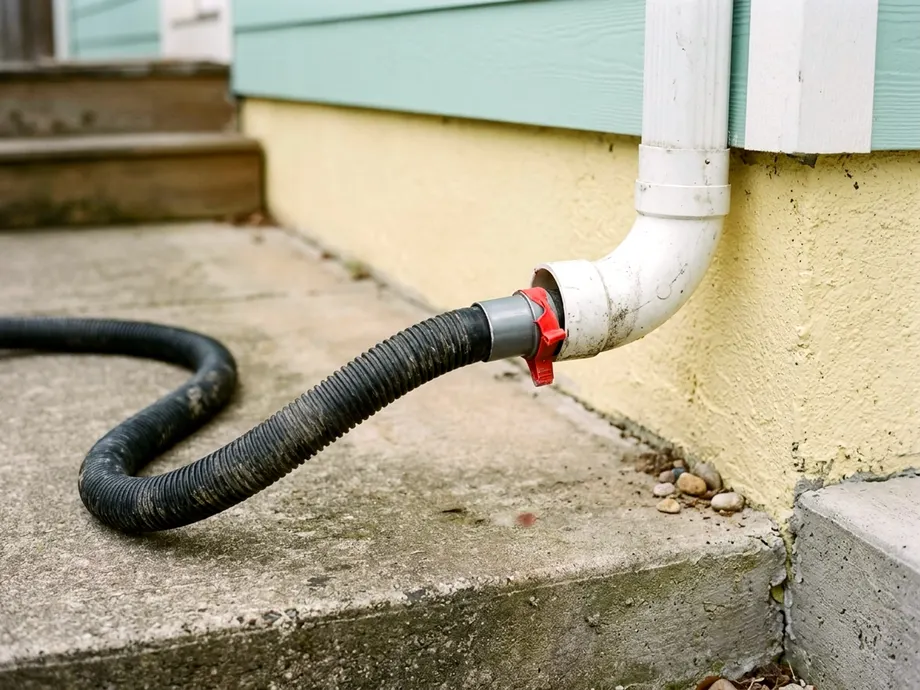
Look around the base of the exterior wall. You will see a small PVC pipe sticking out near the ground. This is where the condensation drips out into the yard. Grab your wet dry vacuum and set it up for a wet mess.
- Remove the dry paper filter from the vacuum inside the canister.
- Push the vacuum hose directly over the end of the exterior PVC pipe.
- Wrap a heavy rag or duct tape around the connection to create a firm, airtight seal.
- Turn the vacuum on and let it run for a few minutes.
- Turn the vacuum off, pull the hose away and check the canister for brown water and sludge.
Dump this mess in the yard or a large trash can. A tight seal moves a heavy clog. If air leaks around the hose, the vacuum cannot build enough suction to pull the sludge through the long pipe.
Flush the line with a cup of distilled vinegar
Go back inside to the air handler. The pipe is clear of the main blockage, but the walls are still coated in grime. Carrier suggests pouring 1 cup of distilled vinegar into the indoor access point between professional visits. This helps dissolve any remaining buildup.
Pour the liquid slowly into the open vertical pipe. A small plastic funnel prevents spills on the floor. The vinegar can help break down remaining buildup. Check the manufacturer's instructions before using any other cleaner.
Give the vinegar time to run down the length of the pipe and slowly wash out of the exterior exit. Push the plastic cap back onto the access point. A loose cap lets cold air escape into the attic or basement.
Check the drain pan and float switch
Inspect the drain pan itself. The pan sits directly under the evaporator coils inside the cabinet. Wipe up any standing water in the pan with old towels. A clean and dry pan helps protect the metal housing.
Look for a small plastic device clipped to the edge of the pan. This is the float switch. It features a small plastic cylinder that floats upward when water rises. Gently lift it to make sure the float moves freely up and down.
A sticky float switch fails to cut the power the next time the drain backs up. Reattach the switch housing if you moved it. If the cabinet interior looks dusty, you might wonder when to clean air vents. Leave deep cabinet cleaning to a professional, but keep the immediate drain area clear of debris.
Snap the main cabinet panel back into place. Tighten every screw.
Keep the line clear with a quick seasonal check
Maintenance helps prevent clogs in the first place. Energy Star recommends checking and inspecting the condensate drain on a central air conditioner, furnace or heat pump. Make this a habit before each cooling season.
Find the access cap and pour 1 cup of distilled vinegar down the pipe. Walk outside to the exit pipe and pull away tall grass and dirt. A blocked exit pipe forces water back inside just as fast as a pipe clog.
Make sure the ground slopes away from the foundation so the dripping water drains into the yard. Routine checks take a few minutes and catch early blockages before they harden into a solid mass.
Call a technician when water keeps returning
Sometimes a wet dry vacuum is not enough to pull a stubborn clog free. The PVC pipe might have a sharp bend that traps heavy debris. The line could be cracked or disconnected behind a wall.
Carrier recommends contacting a dealer when you see signs of a condensate drain clog. This helps avoid severe damage to the system or your home. A technician has tools made for severe clogs and can check the whole line.
A technician also checks the angle of the pipe. The drain line should slope downward so gravity can do the work. A pipe that sags in the middle can trap water and grow algae.
Turn the power back on at the breaker once you finish your work. Go to the thermostat and set it to cool. Give the unit a few minutes to start up. Watch the indoor pipe and the pan to make sure the water flows away properly.
Next snags we can fix
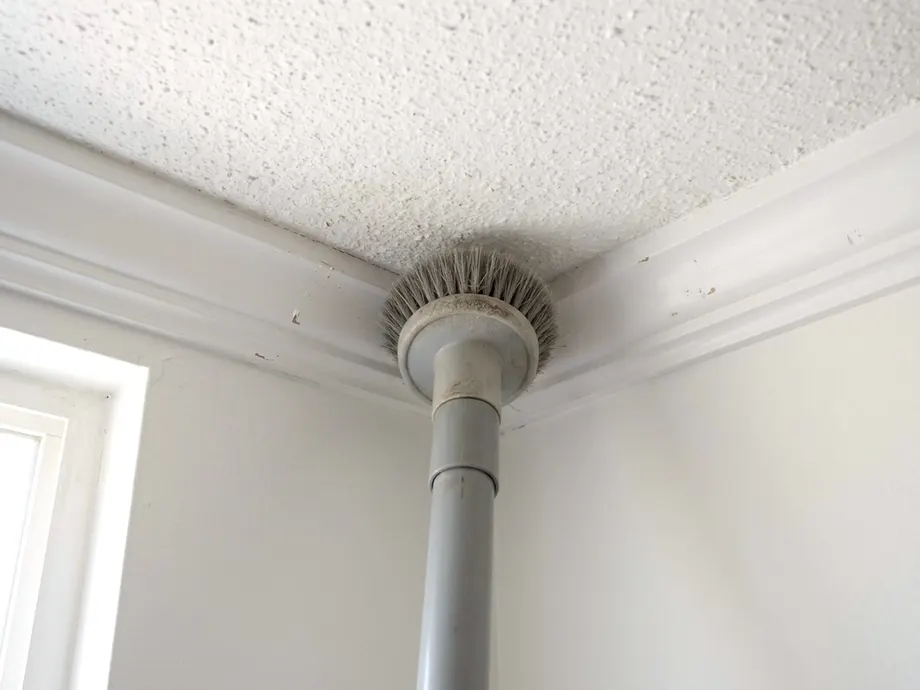
Can you clean a popcorn ceiling without it falling apart
Learn how to clean popcorn ceiling textures safely. Remove dust, treat small stains and block water spots without damaging older materials.
Household Fixes 7 min fix
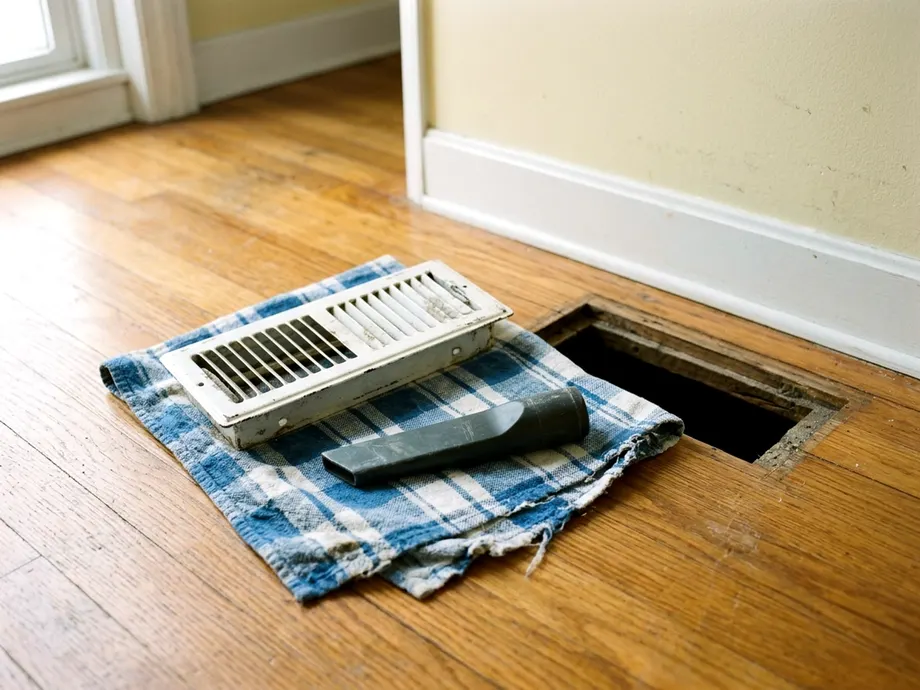
When to clean air vents yourself and when ducts need a pro
Learn how to clean the vents in your home yourself, the three signs you actually need a professional duct cleaner and what that service costs.
Household Fixes 7 min fix
Which travel documents you need to fly in the US and abroad
Find out exactly which US travel docs you need to board your next domestic or international flight and what to do if your ID falls short.
Trip Planning 6 min fix