How to clean oven racks with a soak instead of scrubbing
Learn how to clean oven racks with a simple overnight soak in the tub instead of heavy scrubbing. Get rid of baked on grease with dish soap and hot water.
- Jotted down by Gideon Hargrove
- 6 min fix
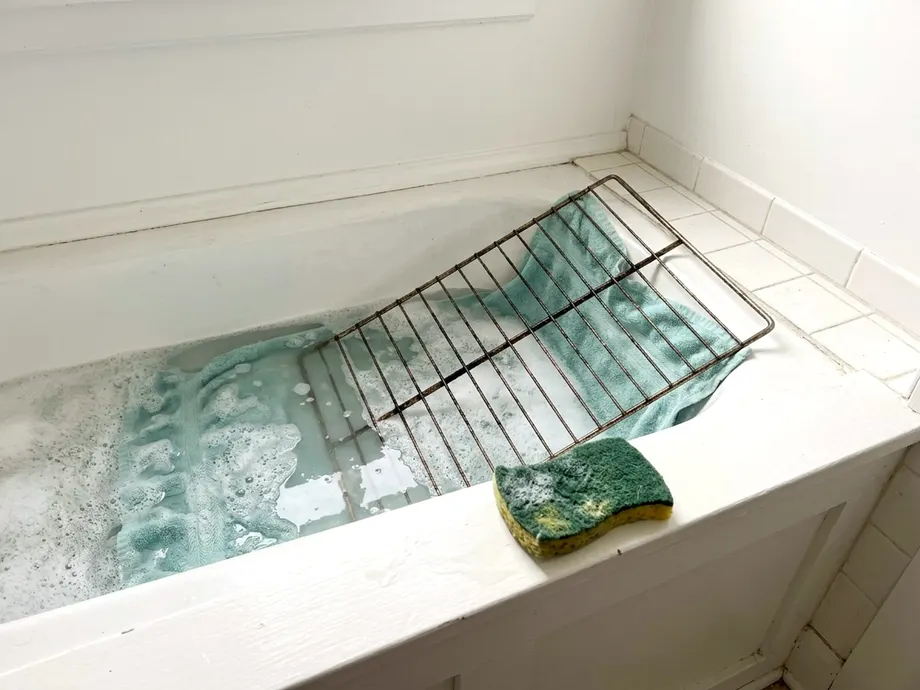
Soak baked on grease off oven racks overnight in a bathtub full of hot water and dish soap. A long soak loosens charred food and makes the final scrub much easier.
Check whether your racks can go through a self-cleaning cycle
Many people assume every part of an oven is safe to run through a self-cleaning cycle. Some ovens do include a feature that locks the door and runs at extreme heat to turn leftover food into white ash. Read your appliance manual before leaving the racks inside during this process.
Extreme heat can damage the shiny chrome finish on standard oven racks. The metal dulls, turns gray and loses its slick factory coating. Racks left in a self-cleaning oven often stick to the side guides. They become impossible to slide in and out.
If your manual says the racks are porcelain coated, they may be able to stay in. Take chrome racks out unless the manual says otherwise. Wash standard metal racks in the tub instead to keep them sliding smoothly.
Line the tub with an old towel to protect the finish
Oven racks feature sharp metal corners and rigid edges. Dropping a rack straight into a bare bathtub leaves permanent scratches. It damages fiberglass or porcelain finishes. You might fix the oven but ruin the bathroom.
Find an old bath towel you no longer care about. A beach towel also works. Lay the towel flat across the bottom of the tub. The thick cotton cushions the heavy metal and protects the delicate tub finish from damage.
The towel will get covered in black grease and burnt food particles. Use a designated cleaning towel. You can also buy a cheap one from a thrift store.
Place the dirty oven racks flat on top of the towel. Lay them side by side. Do not overlap them. Overlapped racks block the soapy water from reaching all the baked on grease.
Small apartment tubs might only fit one rack at a time. Wash one rack on Monday and the other on Tuesday. A large plastic storage bin also works if you do not have a bathtub. Just place the bin outside or in a garage.
Soak racks overnight in hot water and dish soap
Fill the bathtub with enough hot water to cover the racks completely. The hotter the water, the better it works to melt cooking oils. Add a generous squirt of liquid dish soap directly to the water.
Swish the water with your hand or a large spoon. Mix the soap into a thick foam.
Dish soap is built to cut through heavy cooking grease. Leave the racks submerged in the soapy water overnight. A long soak does the hard work for you. The soap works its way under the burnt carbon while you sleep.
By the next morning, the hard black crust softens into a loose sludge. An overnight soak turns a tough cleaning job into a quicker wipe. Keep the bathroom door shut if you have curious pets or small children.
Scrub what is left with a paste and a nonscratch pad
Drain the soapy water from the tub in the morning. Use a nonscratch nylon scouring pad to wipe the wet racks.
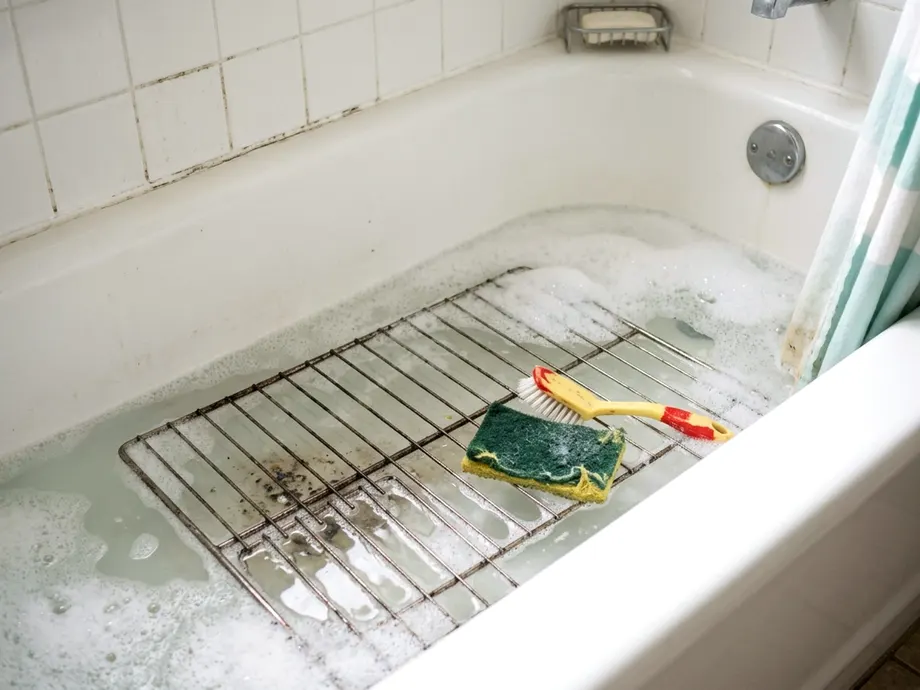
Avoid steel wool. Steel wool can scratch the chrome finish. Most of the grease wipes right off onto the nylon pad.
A few tough spots might remain where meat juices baked directly onto the hot metal. Make a thick paste of baking soda and a few drops of water in a small bowl. Keep it thick, like frosting, so it stays put on the metal rungs.
Apply the white paste directly over the stubborn black spots. Rub the spots with the nonscratch pad. Baking soda provides a mild grit.
It lifts the remaining carbon without scratching the metal beneath it. Work your way along the metal rungs one by one.
Clean the bathtub immediately after you drain it
When you drain the soapy water, a ring of brown grease and burnt food particles will stick to the sides of your bathtub. Do not let this sludge dry onto the porcelain. Roll up the wet towel and take it straight to the washing machine. Run a hot cycle when you wash the greasy towel to remove the cooking oil.
You will need to clean the tub before anyone takes a shower. Rinse the tub walls with hot water from the shower head. Sprinkle a generous layer of baking soda over the remaining grease ring. Add a squirt of liquid dish soap directly to a wet sponge.
Scrub the bathtub walls to lift the grease. The baking soda acts as a mild abrasive to clear the tub without scratching it. Rinse all the soap down the drain. If dirty water splashes on the tiles, wash them now so you do not have to get dirty grout clean again later.
Use the ammonia bag method only outdoors and on its own
Heavy buildup left for months sometimes needs stronger fumes. You can use ammonia instead of a soapy water soak. Place the racks inside a heavy-duty trash bag.
Add liquid ammonia to the bag in the amount the product label directs and tie it tightly shut. You do not need enough liquid to submerge the racks. The trapped ammonia vapor fills the bag and dissolves the baked grease.
Leave the sealed bag flat on the ground overnight. Open the bag the next day and stand back to avoid breathing the strong vapor. Take the racks out and wipe away the soft grease.
Always do this outdoors in the yard. Ammonia fumes are strong and you want plenty of fresh air. Never mix ammonia with other household cleaners.
Mixing bleach with ammonia, including the ammonia in pet or human urine, creates chloramine gas. This toxic gas can cause serious breathing problems.
If you breathe in fumes from mixed cleaners, the Tennessee Poison Center advises airing out the area and getting fresh air. Call 911 if breathing symptoms persist or worsen. The Poison Help line in the US is 1 800 222 1222. Keep the bag away from children and animals while it sits outside.
Rinse, dry and slide the racks back with a little care
Take the clean racks out of the bathtub or the outdoor trash bag. Spray them with a garden hose or rinse them thoroughly under the bathroom shower head. Wash away all the remaining soap, baking soda grit or ammonia residue. Any cleaner left on the metal may smoke the next time you turn the oven on.
Dry the metal entirely with a clean rag or a microfiber cloth. Slide the dry racks back into the oven guides. Push them in straight so they do not jam against the walls.
If the racks squeak or feel stiff on the side rails, check your oven manual for what the maker advises.
Avoid chemical lubricants inside an oven.
Keep racks cleaner with a sheet pan on the lower shelf
Prevent heavy scrubbing next time. Place a large rimmed aluminum sheet pan on the lowest oven rack before you start cooking. The empty pan catches bubbling cheese and roasting juices before they hit the oven floor.
This saves you from a tough cleanup later. You can just focus on when to pull meat off the heat.
Wash the sheet pan in the kitchen sink after you finish cooking. A quick wash with a sponge takes two minutes. Cleaning an entire oven rack takes a whole night of waiting.
Check your oven manual before lining any rack with aluminum foil, since some makers warn against it and blocked airflow can cause trouble. Foil catches the mess and goes straight in the trash.
Next snags we can fix
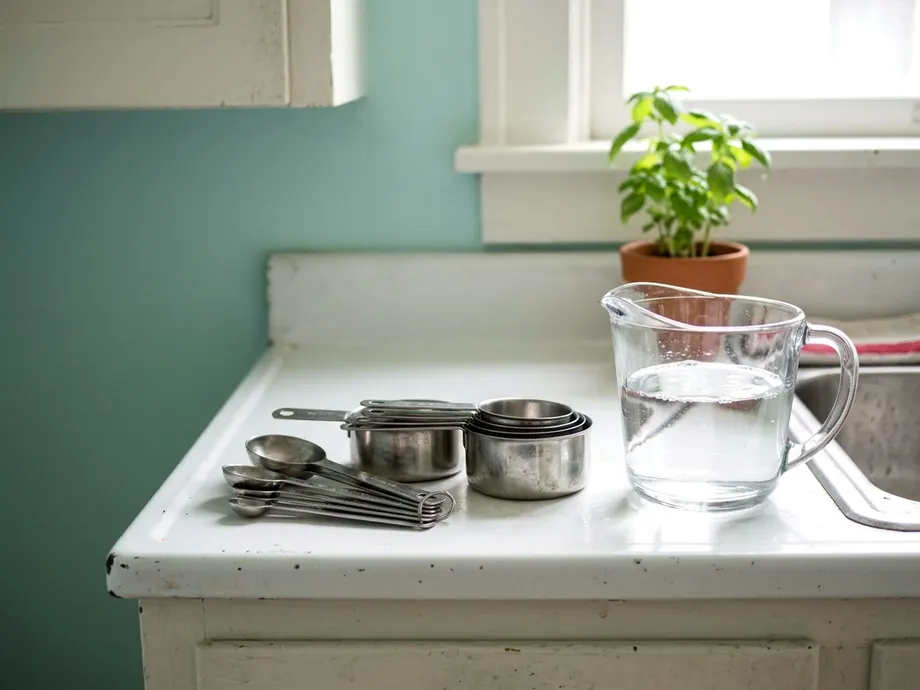
12 cooking measurement conversions to tape inside a cabinet
Print these 12 cooking measurements and tape them in a cabinet to quickly convert spoons, cups, and metric amounts while you cook.
Kitchen Rescues 8 min fix
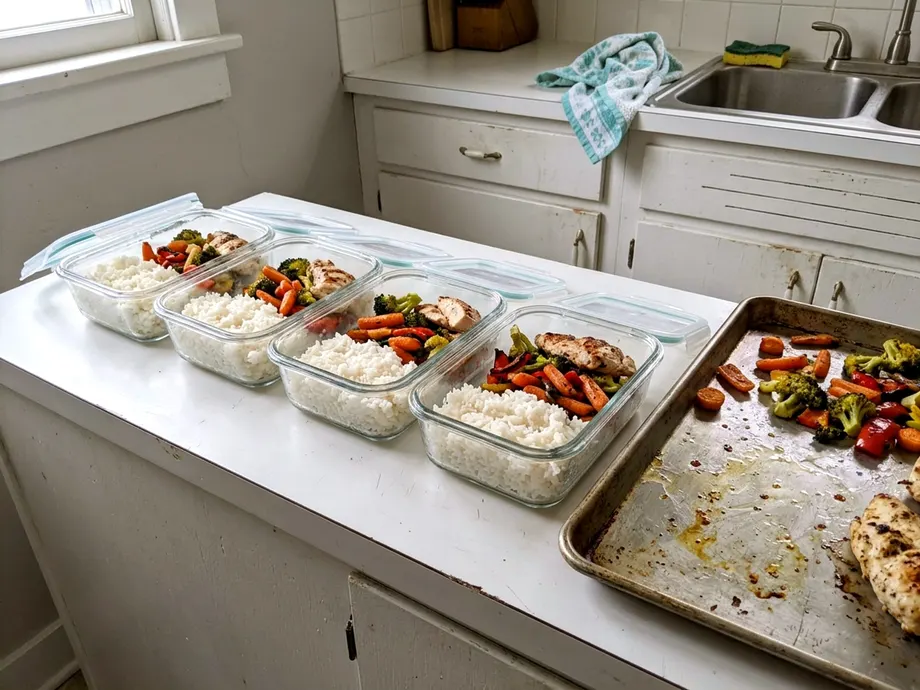
How to batch cook on Sunday and keep it safe to eat
Plan batch cooking on a Sunday to prepare meals for the week, cool them fast and store them safely so they stay fresh and ready to eat.
Kitchen Rescues 6 min fix
What carryover cooking is and when to pull meat off the heat
Carryover cooking raises the temperature of meat after it leaves the heat. Learn why it happens and the safe CDC minimums for your roast or steak.
Kitchen Rescues 6 min fix