12 cooking measurement conversions to tape inside a cabinet
Print these 12 cooking measurements and tape them in a cabinet to quickly convert spoons, cups, and metric amounts while you cook.
- Jotted down by Gideon Hargrove
- 8 min fix
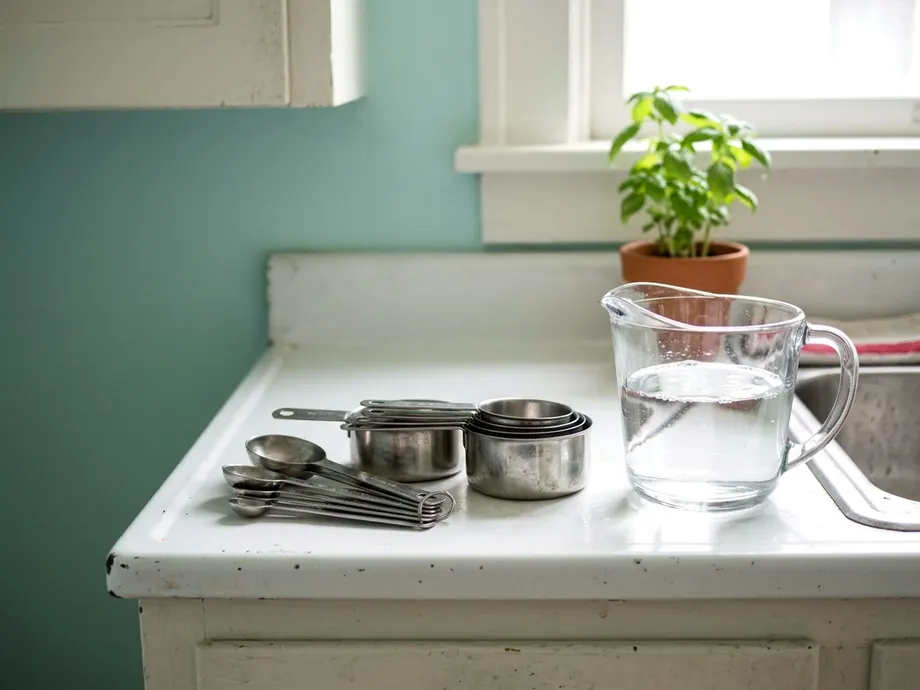
Print these cooking measurements and tape them inside a kitchen cabinet. A quick glance gets the right amount into the pan. You will not have to stop mixing to figure out how many tablespoons make a cup or what a metric recipe needs.
1. Teaspoons to milliliters
NIST lists 1 teaspoon as about 5 mL. This metric equivalent helps you follow recipes from outside the United States. Many imported cookbooks print liquid measurements in milliliters instead of spoons, so you can use your standard kitchen tools to measure these amounts.
A teaspoon is the smallest spoon on a standard measuring ring. Cooks use it for strong ingredients like vanilla extract, salt and baking powder. Knowing it holds about five milliliters gives you control over these powerful flavors. You do not need to buy a separate metric spoon set.
Liquid medicine syringes also measure in milliliters. If you lose your measuring spoons, a clean medicine syringe can dispense about five milliliters when filled to the 5 mL mark into your mixing bowl. This trick saves a trip to the store when you are halfway through a recipe.
2. Tablespoons to milliliters
A tablespoon is the largest spoon on a basic measuring ring. NIST lists 1 tablespoon as about 15 mL. This makes it three times larger than a teaspoon. You will see this amount in recipes for oil, vinegar and soy sauce.
Metric recipes often call for fifteen milliliters of a liquid. You can grab your tablespoon to add the ingredient fast. The measurement gives you the right volume for salad dressings and marinades.
Measuring spoons work best when you fill them right to the brim. Liquids should form a slight dome at the top of the spoon. Do not measure directly over the mixing bowl. A small spill can throw off the balance of your dish.
3. Tablespoons in a fluid ounce
Recipes for drinks and cocktails often use fluid ounces instead of spoons. NIST lists 1 tablespoon as half a fluid ounce. You need two tablespoons to equal one fluid ounce. This fact rescues you when you cannot find a small liquid measuring glass.
You can measure spirits, syrups and juices directly with your spoons. Two tablespoons will pour one fluid ounce of lemon juice into your cocktail shaker. This keeps your drinks close to the recipe.
You can also use this conversion to measure small amounts of cooking stock or heavy cream. Measuring two tablespoons is faster than washing a large glass measuring cup. It leaves you with less cleanup after dinner.
4. Tablespoons in a cup when a measuring cup is missing
A missing measuring cup stops a baking project in its tracks. You can build a cup using your spoons instead. Sixteen tablespoons fill a one-cup measure. This takes a little longer, but it saves the recipe.
You must count carefully when spooning out sixteen measures. It helps to speak the numbers out loud. You can also measure the tablespoons into a separate small bowl first. This prevents you from ruining the main mixing bowl if you lose count.
This method works for both dry and wet ingredients. You can measure out a cup of milk or a cup of oats one spoon at a time. Keep the spoon level for dry goods to maintain the correct total volume.
5. Cups to fluid ounces and milliliters
The cup is the standard measurement in American kitchens. NIST lists 1 cup as about 240 mL. Metric recipes often ask for liquid totals near this amount, meaning a recipe calling for two hundred and forty milliliters simply needs one cup of liquid.
Standard liquid measuring cups show multiple markings on the glass. You can read the metric lines on one side and the cup fractions on the other. Both measure the exact same volume of liquid.
Use a clear glass or plastic pitcher to measure cups of liquid. Set the cup on the counter and bend down to look at the line. Looking at the liquid from above gives a false reading.
6. Pints to fluid ounces and cups
Soups, stews and sauces often scale up into pints. NIST lists 1 pint as 16 fluid ounces or 2 cups. You can measure a pint easily by filling your standard measuring cup twice.
Many grocery store items sell by the pint. Small cartons of heavy cream and boxes of cherry tomatoes often hold one pint. Knowing this helps you shop faster. You can buy the exact carton the recipe requires without measuring it at home.
Glass jars also use pint measurements. A pint canning jar holds sixteen fluid ounces. You can use an empty pint jar as a measuring tool if your regular cups are dirty.
7. Quarts to fluid ounces and cups
A quart is a common size for large pots and storage containers. NIST lists 1 quart as 32 fluid ounces or 4 cups. This measurement appears frequently when you batch cook on Sunday.
Four cups of chicken broth equal one quart. Many broth cartons in grocery stores hold 32 fluid ounces, but check the label. You can pour the entire carton into your soup pot to get exactly one quart. This eliminates the need to measure the broth at all.
A quart is exactly two pints. This explains the name of the quart, which means a quarter of a gallon. You can use a quart measure to quickly portion out large batches of chili or tomato sauce for the freezer.
8. Gallons to fluid ounces, cups and liters
The gallon is the largest volume measurement in most kitchens. NIST lists 1 gallon as 128 fluid ounces or 16 cups, about 3.84 liters. You will need this conversion when making punch, iced tea or large batches of soup.
Measuring out sixteen cups by hand takes a long time. You can speed up the process by using a larger container if you have one. Filling a big pitcher is much faster and reduces the chance of losing count.
The metric conversion helps when buying large water bottles. A gallon is about 3.84 liters. Knowing this number lets you buy the right amount of liquid for a large crowd.
9. The difference between fluid ounces and weight ounces
Recipes use the word ounce to mean two completely different things. Fluid ounces measure volume, which means the amount of space an ingredient takes up. NIST lists 1 fluid ounce as about 30 mL. You measure fluid ounces in a glass cup with lines on the side.
Weight ounces measure mass, which means how heavy the ingredient is. You measure weight ounces by placing the ingredient on a kitchen scale.
These two measurements come close to matching only for water. Other ingredients do not match. A cup of flour takes up the same space as a cup of water, but it weighs far less. Always check if the recipe wants volume or weight.
10. Weight ounces to grams for precise cooking
Many European baking recipes demand exact weights instead of volume cups. NIST lists 1 ounce by weight as about 28 grams. Knowing this helps you follow these instructions, and you can use a kitchen scale to find the target grams.
Grams offer much finer control than ounces. A kitchen scale reading in grams will jump in tiny increments. This precision matters when portioning dough or dividing meat for burgers. It helps every piece cook at the same rate.
Measuring in grams is especially useful when you pull meat off the heat. Even portion sizes help pieces of meat cook at a similar pace. A scale set to grams helps you cut even portions.
11. Pounds to grams for metric recipes
Meat and fresh produce sell by the pound in US grocery stores. NIST lists 1 pound as about 454 grams. This fact lets you buy the right amount of food for metric recipes without doing complicated math at the meat counter.
A recipe needing 454 grams of ground beef calls for about one pound. You can buy a standard package to land close to this number. Stews, casseroles and pasta sauces tolerate minor differences if your package is slightly larger.
You can also use this conversion to divide bulk packages. If you buy a large bag of flour, you can work out how many grams it holds. This helps you figure out how many metric bread recipes you can bake before returning to the store.
12. How to measure flour and sugar so the conversion holds
Volume measurements only work if you fill the cup correctly. Flour gets packed down during shipping and sitting in the pantry. If you scoop directly from the bag, you will pack too much flour into the cup. This throws the measurement off.
You must fluff the flour first. Stir it gently with a spoon inside the bag or canister. Spoon the fluffed flour into your dry measuring cup until it mounds over the top. Take a straight knife and scrape it across the rim to level the flour.
Sugar behaves differently because it is heavy and does not compress easily. You can scoop sugar directly from the bag with your measuring cup. Just level the top with a knife. This keeps your volume conversions accurate every time you bake.
How to display your measurement sheet
A cheat sheet only helps if you can read it without touching it. Print these numbers in a large, bold font on a single sheet of paper. Secure the paper flat against the inside of a cabinet door at eye level.
Choose the cabinet where you store your measuring cups and mixing bowls. This puts the answers right where you do the work. Avoid the cabinets directly above the stove. Steam and grease can ruin the paper there.
Cover the entire sheet of paper with clear packing tape to protect it from wet hands and flour dust. You can wipe the taped surface clean with a damp cloth just like you would wipe the cabinet door.
Next snags we can fix
How to batch cook on Sunday and keep it safe to eat
Plan batch cooking on a Sunday to prepare meals for the week, cool them fast and store them safely so they stay fresh and ready to eat.
Kitchen Rescues 6 min fix
What carryover cooking is and when to pull meat off the heat
Carryover cooking raises the temperature of meat after it leaves the heat. Learn why it happens and the safe CDC minimums for your roast or steak.
Kitchen Rescues 6 min fix
How to clean oven racks with a soak instead of scrubbing
Learn how to clean oven racks with a simple overnight soak in the tub instead of heavy scrubbing. Get rid of baked on grease with dish soap and hot water.
Kitchen Rescues 6 min fix