How to batch cook on Sunday and keep it safe to eat
Plan batch cooking on a Sunday to prepare meals for the week, cool them fast and store them safely so they stay fresh and ready to eat.
- Jotted down by Gideon Hargrove
- 6 min fix
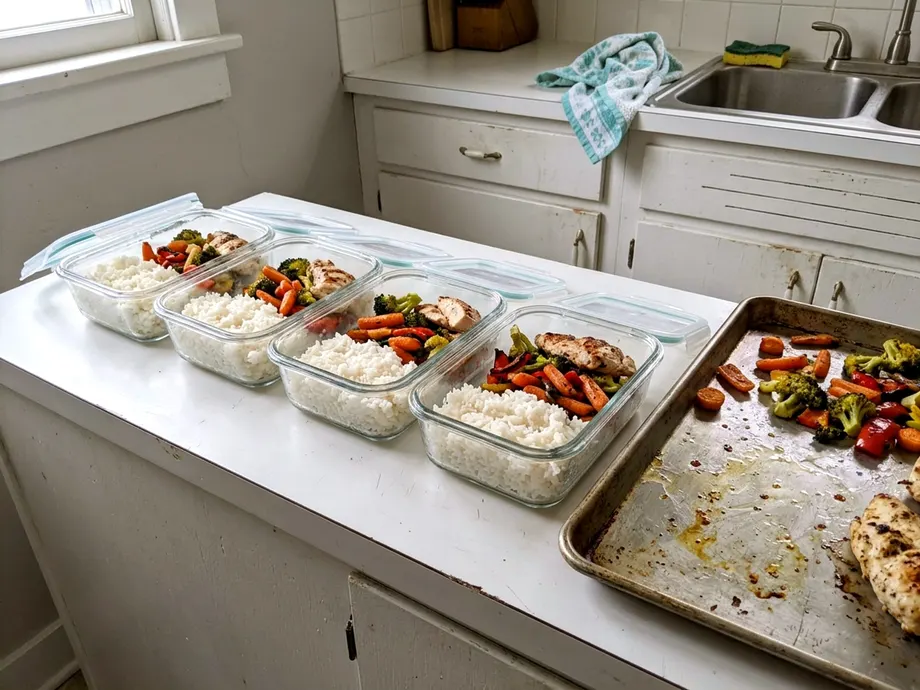
Batch cooking on a Sunday sets up your meals for the week and keeps them safe to eat. You prepare several days of food at once, cool the portions fast and move them to the refrigerator. Getting the timing right prevents spoilage.
Plan three or four dishes that reheat well
Cooking for one or cooking for two goes faster when you pick recipes that survive the refrigerator. Stews, soups and curries actually taste better after a day in the cold. Roasted root vegetables hold their shape, and rice reheats well with a splash of water. Stick to sturdy ingredients that stand up to a second round of heat.
Pick three or four specific meals to make. Write down the exact ingredients you need for each, and buy the missing items before Sunday morning. Batch cooking works best when you share ingredients across several dishes. Buy a large bag of carrots to roast half as a side dish and dice the rest for a thick soup.
Prepare base ingredients that work in several meals. A big pot of plain brown rice can serve as a base for a stir-fry on Tuesday and a burrito bowl on Thursday. Planning your grocery run around shared ingredients cuts down on extra trips to the store.
Cook in an order that frees the oven and stovetop
Start with the dish that takes the longest to cook. A large roast or a big pot of chili takes hours to finish. Get that heavy work going first, then use the downtime to chop vegetables for your next dish.
Balance your kitchen equipment so you never wait for pans to open up. Put one meal in the oven and start another on the stovetop. Use a rice cooker or a slow cooker for a third. This setup keeps three different heat sources working at once.
Do all your chopping before you turn on the heat. Chop all your onions together and wash your greens in one batch. You save time and use fewer bowls. If you need to scale a recipe up, check standard measurement conversions to get the math right.
Clean your workspace as you go. Fill the sink with hot soapy water before you start cooking, and drop dirty spoons straight into the water. Wash cutting boards and knives the moment you finish with them.
Cool food fast and get it into the fridge on time
Leaving hot food on the counter for hours invites bacteria to multiply rapidly. You must move cooked food to the cold quickly. The Centers for Disease Control and Prevention says to refrigerate perishable food within 2 hours, or within 1 hour if it has been in temperatures above 90°F.
Large pots of soup take a long time to cool down. Do not put a massive pot of boiling chili straight into the refrigerator. The hot pot raises the temperature of the entire appliance and puts your milk and raw meat at risk. Divide large batches into smaller parts to speed up the cooling.
Spread thick foods like mashed potatoes flat on a baking sheet so the extra surface area lets heat escape. Stir soups and stews frequently to release trapped steam. You can also place a metal pot in a sink filled with ice water to cool the contents rapidly. Keep stirring until the steam stops rising, then pack it up.
Pack portions in shallow, tightly sealed containers
Portioning your meals ahead of time makes them easy to grab on a weekday. Pack exactly what you will eat in one sitting. Reheating food multiple times ruins the texture and invites bacteria to grow.
Shallow containers help the food cool the rest of the way. Food in the center of a deep container stays warm for too long. Glass containers do not absorb stains or strong smells. Plastic containers weigh less but can take on orange stains from tomato sauce.
Use containers with secure lids. The Food and Drug Administration advises storing leftovers in tight containers and checking stored leftovers daily for spoilage. A tight seal keeps out air and prevents odors from mixing in the cold.
Label every container with the dish name and the date you cooked it. Leave an inch of space at the top of any container going into the freezer. Liquid expands as it freezes, and a completely full container will break open.
Eat chilled portions within four days and freeze the rest
Your refrigerator buys you a few days to eat your meals. The FDA says leftovers should be used within three to four days, as of its page current on January 31, 2025. You can read the rule on its holiday food safety page.
Count Sunday as day one. You need to eat those refrigerated meals by Wednesday or Thursday. Anything you plan to eat on Friday goes into the freezer right away.
Frozen food at 0°F stays safe, but quality slips the longer it sits. Freeze food while it is still fresh instead of waiting until day four. Thaw frozen meals in the refrigerator overnight. Never leave frozen food on the counter to thaw.
Your appliances need to be cold enough to do their job correctly. The CDC says to keep the refrigerator at 40°F or below and the freezer at 0°F or below. Buy simple appliance thermometers and leave them on the shelves. Built-in dials may lack specific temperature numbers.
Reheat leftovers until they are hot all the way through
Cold leftovers need serious heat to become safe again. The CDC lists 165°F as the safe internal temperature for leftovers and casseroles. Use a food thermometer to check the middle of the dish.
Microwaves heat food unevenly and leave cold spots where bacteria can survive easily. Cover the food to trap the steam. Stop the microwave halfway through the heating time and stir the food well. This moves the cold parts to the edges and the hot parts to the center.
Reheating on the stovetop works best for soups and sauces. Heat liquids until they are steaming hot and reach 165°F, and use a skillet for roasted vegetables to get their crisp texture back. Add a splash of water or broth to rice and pasta before heating. The steam softens the starches.
Avoid using a slow cooker to reheat leftovers, since it may heat the food too slowly to reach 165°F. Reheat the food on the stove first, then transfer it to a slow cooker to keep it warm. Watching the heat matters as much here as knowing when to pull meat off the heat.
Check foodsafety.gov for storage times of specific foods
Different foods spoil at different rates. The three to four day guideline is general, and some foods need to be eaten sooner.
Check foodsafety.gov or USDA FSIS for the storage times of specific foods. Save the page on your phone or print it out.
Look at and smell a meal before you reheat it. If a meal smells sour, throw it away. If you see mold, throw the dish out. A bad smell means the food is ruined.
Never taste old food just to see if it is still good. Spoiled food will not always look or smell bad. Some bacteria that cause illness do not change how food looks, smells or tastes. Throw the food away when the time runs out.
Next snags we can fix
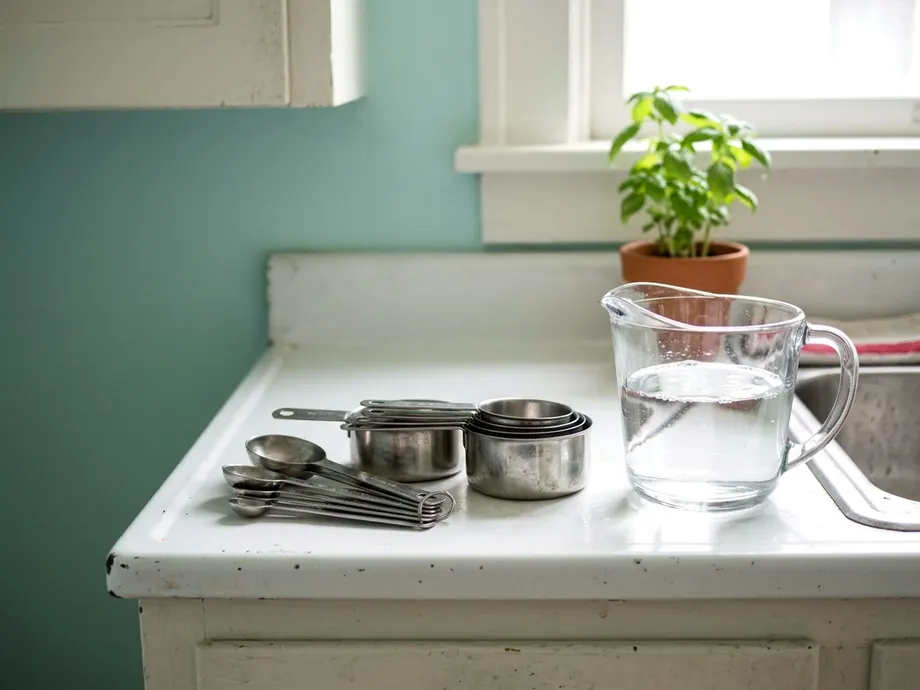
12 cooking measurement conversions to tape inside a cabinet
Print these 12 cooking measurements and tape them in a cabinet to quickly convert spoons, cups, and metric amounts while you cook.
Kitchen Rescues 8 min fix
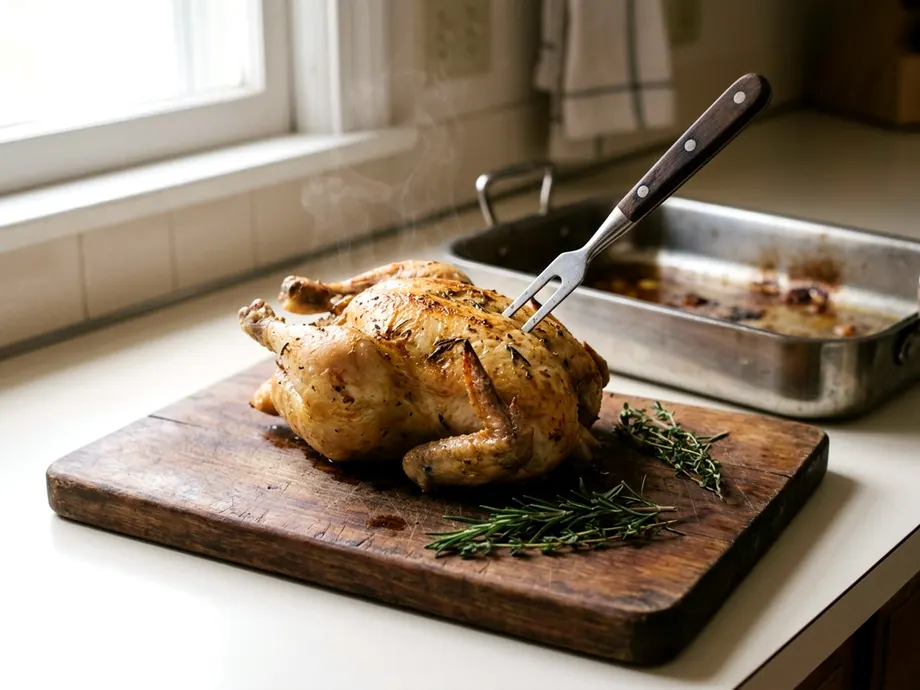
What carryover cooking is and when to pull meat off the heat
Carryover cooking raises the temperature of meat after it leaves the heat. Learn why it happens and the safe CDC minimums for your roast or steak.
Kitchen Rescues 6 min fix
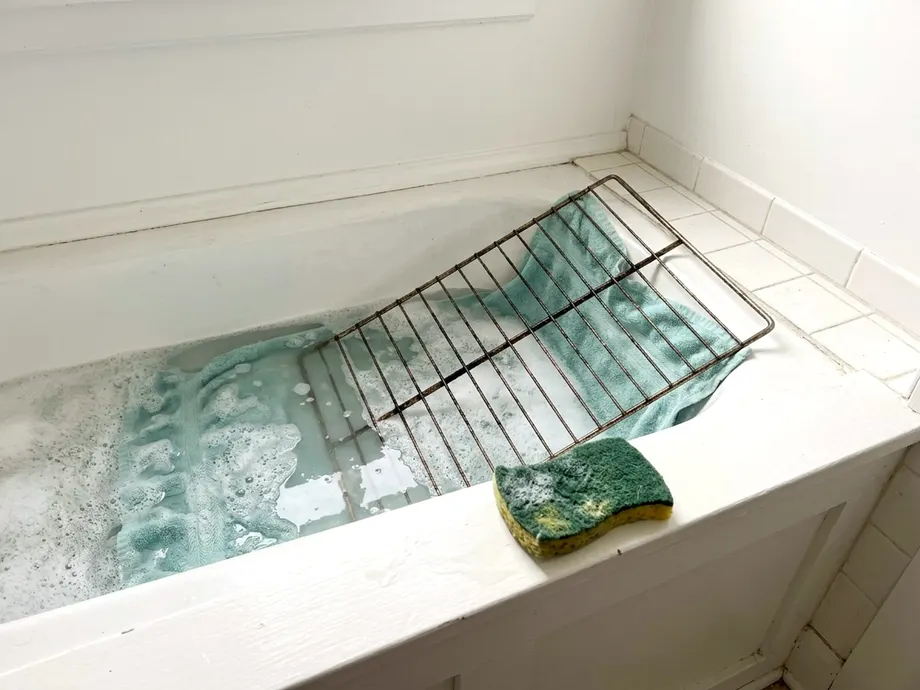
How to clean oven racks with a soak instead of scrubbing
Learn how to clean oven racks with a simple overnight soak in the tub instead of heavy scrubbing. Get rid of baked on grease with dish soap and hot water.
Kitchen Rescues 6 min fix