Cooking for two without a week of leftovers
Scaling down large meals leaves you with too much food or ruined dinners. Adjust cooking for two recipes with simple steps to cut waste and enjoy dinner.
- Jotted down by Gideon Hargrove
- 8 min fix
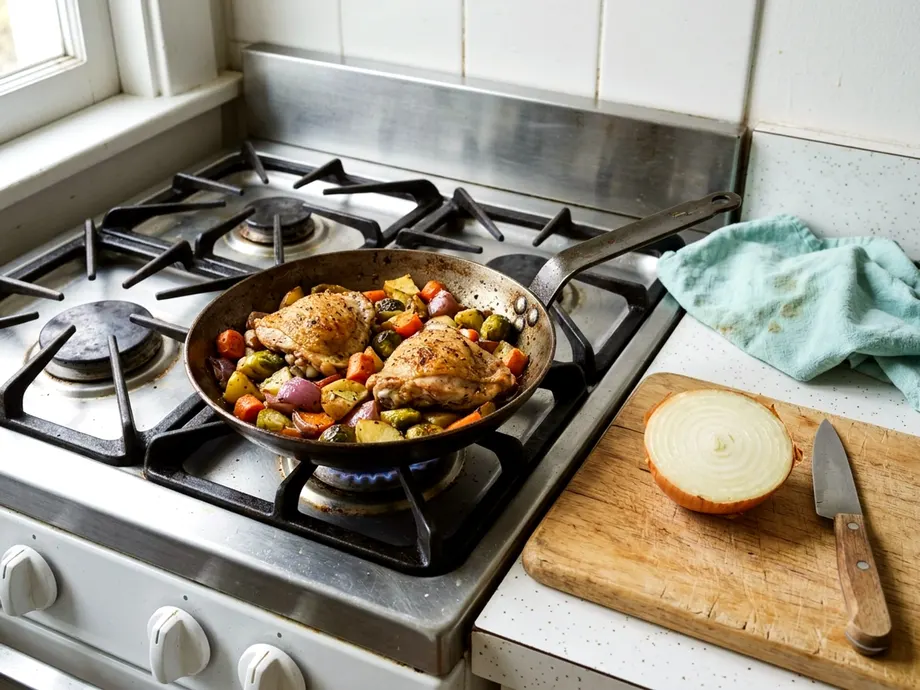
Making dinner for a couple often means eating the same casserole for days. You can avoid a fridge full of containers by shrinking your ingredients and your cookware. Planning smaller meals keeps dinner fresh and stops excess food from going to waste.
Why halving a large recipe ruins the meal
Most family meals are designed to feed a crowd, and cutting the food in half seems like a simple fix. The trouble starts in the pan. A wide skillet works best with enough food to cover the surface. Place a small amount of meat in a wide pan, and the moisture can evaporate fast, so the food may burn before it cooks.
The fond, which is the flavorful brown crust at the bottom of the pan, also suffers. When a pan is mostly empty, the cooking fat spreads too thin and the fond turns into a scorched mess. A scorched pan makes a good pan sauce hard to pull off.
Baking can be even trickier. A cake or a casserole spread too thin over a large dish dries out. The food can cook faster than the recipe suggests, leaving you with dry edges and a tough texture.
Seasonings rarely scale down evenly. A large pot of stew relies on long simmering times to mellow out heavy spices and strong herbs. If you cut the cooking time down for a smaller portion, those same spices can overpower the dish. A harsh garlic flavor or too much salt can easily spoil a reduced meal.
Baking also gets harder to scale when you split an egg or divide a tiny amount of baking soda. Finding specific cooking for two recipes usually works better than trying to chop a family feast down to size. You need meals designed for the space in the pan and the heat of the oven.
Match the cookware to the smaller portion
You can still adapt a favorite meal if you scale the tools along with the food. A small skillet helps keep juices close to the meat so it stays tender. The food should sit snug against the edges without piling up. This prevents the cooking fat from spreading out and smoking.
When you use a small pan, match it to a small burner on the stove. Placing a small skillet over a wide burner can send intense heat up the sides. This can scorch the outside of the food and damage the handle of the pan.
Use a compact baking dish for roasted vegetables or a scaled-down casserole. A small square dish or a narrow loaf pan holds a reduced recipe at the correct depth. The food holds more of its moisture and is likelier to bake at the rate the recipe intended.
Oven heat circulates differently around small pans. A tiny baking dish leaves wide open gaps on the oven rack, allowing hot air to flow more freely around the food. Check your meals early to prevent burning. The edges can crisp up faster than they would in a crowded oven.
When you cut a recipe in half, check a conversion chart to get the exact amounts right. Guessing at small measurements is where a scaled recipe often goes wrong. Spices are especially tricky. Go much lighter on the salt and strong spices to start, and you can always add a pinch more at the table.
Liquids do not always evaporate in proportion to the amount of food in the pot. A soup or a simmered sauce might need more water or broth than a straight math division suggests. Keep an eye on the pot and add a splash of water if the base gets too thick.
Plan your grocery list around overlapping ingredients
Buying groceries for small households often ends with rotting vegetables in the crisper drawer. A whole head of celery or a massive bag of spinach is too much for one dinner. The trick is to plan two or three meals that share the same fresh items.
Buy a bunch of carrots and use half in a stir fry. Roast the rest as a side dish the following night. You get variety without wasting fresh produce. Do the same with a head of cabbage, shredding some for a slaw on Monday and tossing the rest into a soup on Wednesday.
Fresh herbs wilt quickly, so give them a role in multiple dinners. Cilantro can garnish a taco plate one evening and flavor a curry later in the week. A bunch of parsley works just as well over baked fish as it does folded into a grain salad.
Root vegetables usually hold up better than fragile greens over a few days. Radishes add crunch to a side salad one night and soften beautifully when roasted the next. You can plan your week with delicate items early on and hardier vegetables toward the weekend.
Keep the flavor profiles different so you do not feel like you are eating the same meal. Ground beef works in a heavy pasta sauce one evening and turns into spicy lettuce wraps a few days later. You clear out the fridge without getting bored.
Choose loose vegetables and small cuts of meat
Pre-packaged produce often means buying more than you need. A heavy bag of onions or a sack of potatoes looks like a good deal until some of it sprouts in the pantry. Head to the loose produce bins instead. Pick out exactly two apples, one onion, and a single zucchini so you only pay for what you eat.
The meat counter works the same way. Skip the giant family packs of chicken breasts. Ask the butcher for two specific cuts, and they will wrap up exactly what you need. Small steaks or a couple of pork chops cook quickly and evenly.
You can also use the deli counter to buy ingredients in tiny amounts. Instead of a large block of cheese, ask the deli clerk for a single thick slice to dice for a salad. Buy two strips of thick bacon from the meat counter rather than a whole package.
Thin cuts of meat are ideal for small pans. They sear fast and leave rich flavor in the pan for a quick sauce. Take care not to overcook them, as small pieces can dry out quickly. Pulling the meat early lets it finish cooking on the plate while you set the table.
Freeze extra ingredients in single portions
Some foods are impossible to buy in tiny amounts. A can of tomato paste or a carton of chicken broth holds way more than a small recipe requires. Do not let the leftovers turn into a moldy mess in the fridge. Freeze the excess right away.
Use an ice cube tray for pastes, sauces, and broths. Spoon the extra tomato paste into the compartments and freeze it solid. Pop the cubes out and keep them in a freezer bag. You can drop a cube directly into a hot pan the next time you cook.
Heavy cream can go bad quickly in the fridge, but it freezes well for cooking. Pour the extra cream into your ice cube tray. The frozen cream may separate when it thaws, but it should melt into a hot pan sauce or a blended soup.
This same trick works well for wine. If you open a bottle for a pan sauce and know you will not drink the rest, freeze it. The wine cubes add instant depth to a stew or a risotto later in the month.
You can also freeze half a loaf of bread. Wrap the slices tightly to block out the cold air. A well-wrapped piece of bread thaws on the counter or toasts from frozen. This keeps your pantry stocked without forcing you to eat sandwiches for a week straight.
Always label the bags with a piece of tape and a marker. Frozen broth looks exactly like frozen white wine, and confusing the two can ruin a meal.
Turn one large meal into two different dinners
Sometimes you want the deep flavor of a slow-cooked roast or a whole bird. These meals are naturally huge. You can still cook them if you plan a second, completely different meal for the leftovers.
Roast a whole chicken on the first night. Serve it with fresh vegetables and a starch. The next evening, shred the remaining meat. Toss it into a spicy tortilla soup or mix it into a cheesy pasta bake to transform the flavor entirely.
A large pot of chili is another great base. Eat a bowl of chili with cornbread on the first night. Use the rest to top baked potatoes or stuff bell peppers the following day.
Avoid spending all Sunday cooking by just making a little extra of a versatile main ingredient. Roast a slightly larger piece of salmon than you need for dinner. Flake the cold salmon over a green salad for lunch the next day, or form it into salmon patties for a quick weeknight supper.
Store the leftover meat tightly covered in the fridge soon after the meal, and check official food safety guidance for how long it keeps. Meat dries out quickly once it is sliced or shredded. Keep it in an airtight container and wait to cut it up until you are ready to cook the second meal.
Stock up on dry staples for quick small meals
A quiet night calls for a meal that comes together fast. A pantry stocked with the right staples makes cooking for two easier. Dry goods sit patiently on the shelf until you need them. They let you build a meal around whatever fresh ingredients you have on hand.
Rice, pasta, and dry lentils are perfect for small households. You measure out exactly what you need and leave the rest in the box. Smaller pasta shapes and fast-cooking grains like couscous are especially useful. They cook quickly and bulk up a light meal.
Canned beans and canned diced tomatoes are just as helpful. A single can is usually the right size to form the base of a small soup or a quick stew. Drain and rinse the beans to control the texture and the salt in your dish.
Eggs serve as a reliable protein for small households. They keep well in the fridge and cook quickly. A couple of fried eggs turn leftover roasted vegetables and a scoop of rice into a complete dinner.
Keep a few flavor boosters in the fridge door. Soy sauce, mustard, and a good vinegar keep well, so check the label for storage guidance. A spoonful of mustard binds a simple vinaigrette for a side salad.
Capers, olives, and anchovy paste also pack a lot of taste. They take up almost no space in the fridge but deliver massive flavor. Tossing a handful of olives and a spoonful of capers into a pan with some tomatoes turns plain chicken into a great dinner.
Next snags we can fix
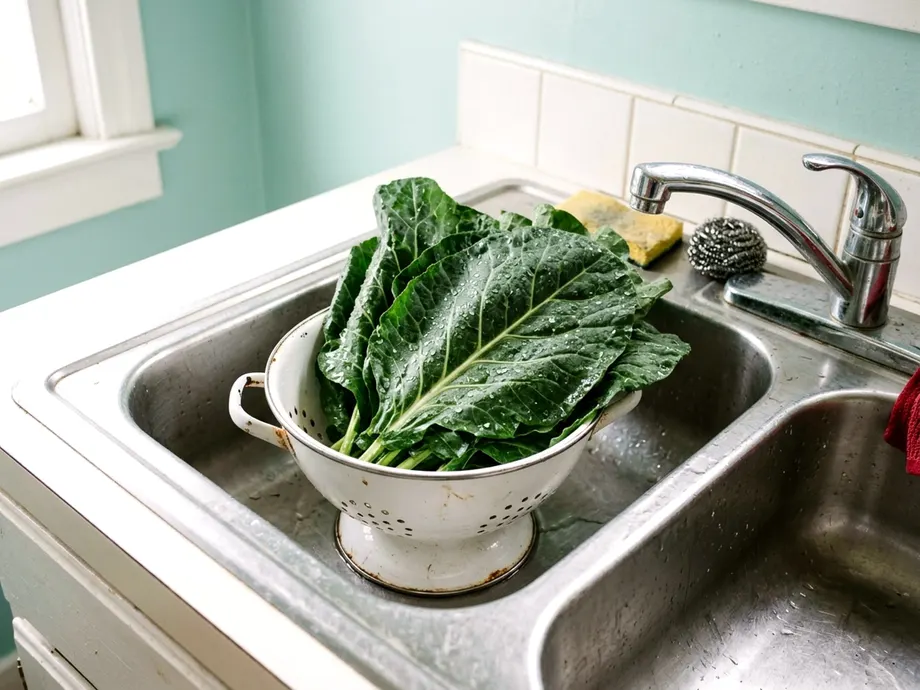
Getting grit out of collard greens before they hit the pot
Learn exactly how to clean collard greens so your next batch has zero grit. Follow these simple steps to wash, dry and slice leafy greens.
Kitchen Rescues 7 min fix
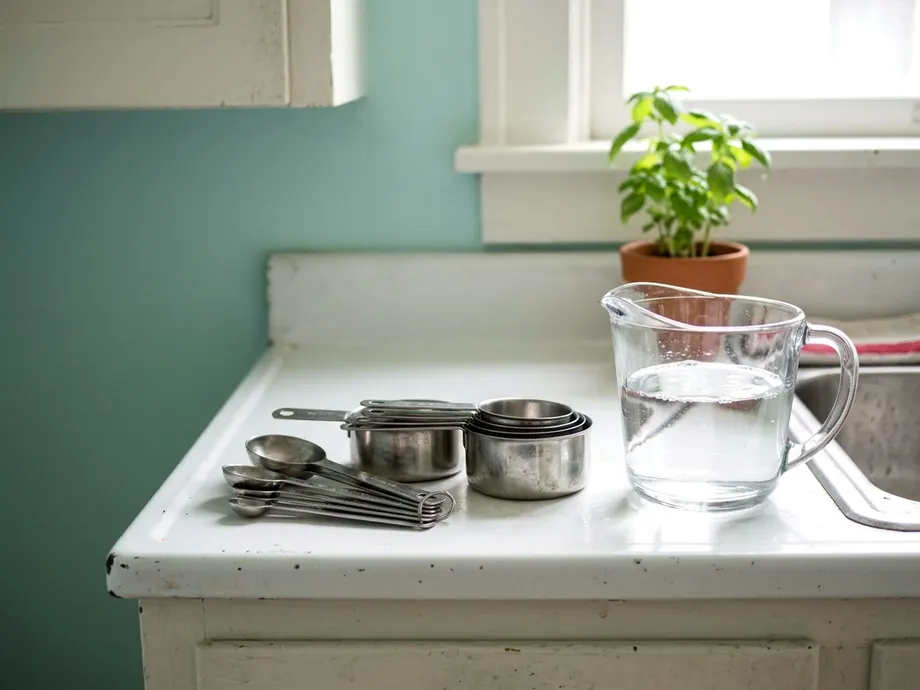
12 cooking measurement conversions to tape inside a cabinet
Print these 12 cooking measurements and tape them in a cabinet to quickly convert spoons, cups, and metric amounts while you cook.
Kitchen Rescues 8 min fix
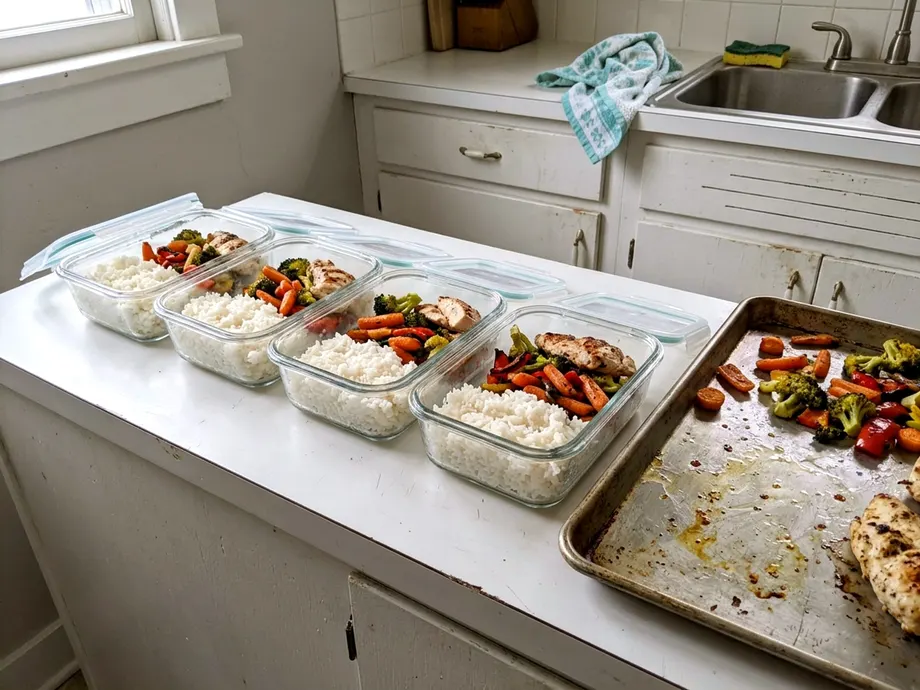
How to batch cook on Sunday and keep it safe to eat
Plan batch cooking on a Sunday to prepare meals for the week, cool them fast and store them safely so they stay fresh and ready to eat.
Kitchen Rescues 6 min fix