How to wash a load of laundry so it actually comes out clean
Learn the right way of cleaning the laundry by sorting fabrics, setting the correct water temperature and drying clothes so they last longer.
- Jotted down by Gwen Halvorsen
- 7 min fix
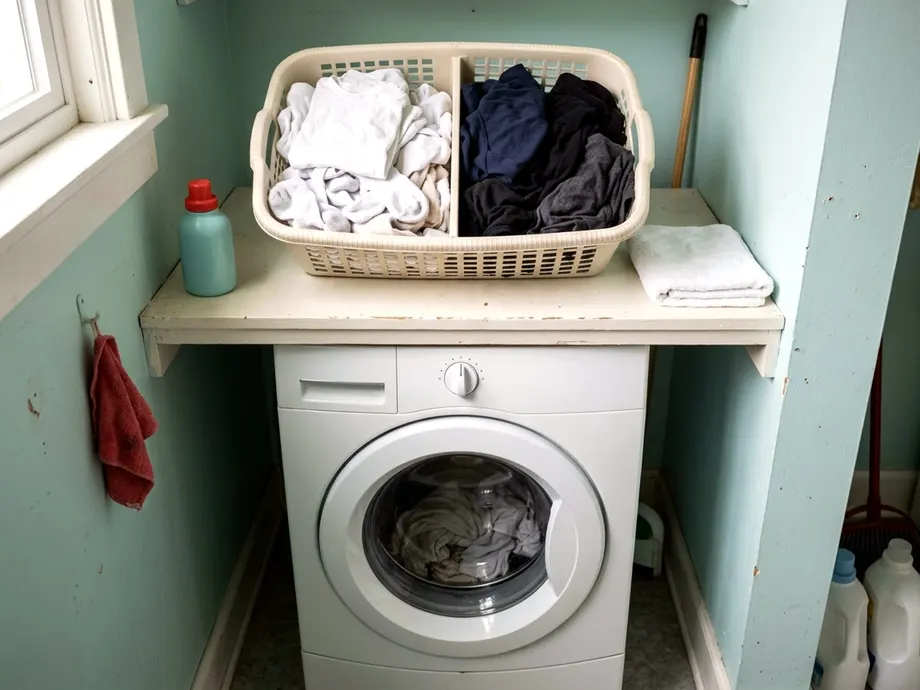
Read the care label first, then sort the pile by color and fabric weight. Wash most loads in cold water with a standard dose of detergent. Dry the garments as the maker directs, then leave the washer door ajar to help prevent mold.
Check the care label before you start
Start with the tag inside the collar or side seam to see exactly how the manufacturer expects you to treat the item. A machine wash symbol looks like a tub filled with water. A hand inside that tub means you must wash the garment manually in a sink. An X over the tub means the item cannot go in a washing machine at all.
Check the text below the symbols for specific warnings about color bleeding or special care. You might wonder if you can dry clean at home to save a few dollars. The tag will state clearly if an item requires professional dry cleaning.
Under FTC rules, a clothing care label must say whether the item should be dried by machine or another method. Follow this guidance to keep your favorite shirts from shrinking into a much smaller size. A square with a circle inside means you can tumble dry the item. A square with lines but no circle means air dry, and the tag wording says whether to lay it flat or hang it.
Dots inside the wash tub symbol show the water temperature, so read them against the key for your tag. Fewer dots mean cooler water, while more dots mean warmer water. The most dots mean the hottest water the maker allows. If someone cut the tag off entirely, wash the item in cold water and air dry it to be safe.
Sort the pile by color and fabric weight
Separate your laundry pile into distinct groups before you open the washer door. Dark clothes go in one pile and light clothes go in another. This prevents dark blue jeans from bleeding dye and turning a white cotton shirt gray. Wash bright reds and purples in their own small load the first few times you clean them.
Fabric weight matters just as much as color. Heavy towels and thick denim take longer to dry and agitate forcefully in the drum, so wash them apart from delicate underwear. Heavy items can easily tear thin fabrics during a fast spin cycle. Fasten all buttons and pull metal zippers up to the top because an open zipper will shred a thin shirt in the wash.
Wash heavy cotton towels in their own separate load. Towels produce thick lint in the wash that sticks stubbornly to corduroy pants and fleece jackets.
Empty every pocket before a garment goes into the pile. A single paper receipt leaves messy white flakes over a whole load of dark clothes. Keys and coins chip the protective paint inside the washer drum. Turn graphic t-shirts inside out so the printed design does not crack against the metal walls.
Keep heavily soiled items away from lightly worn clothes. Muddy pants and sweaty gym gear need stronger detergent and more time in the machine. Mixing clean and dirty items means loose soil from the dirty pile transfers to the clean clothes.
Use cold water for daily loads
Water temperature dictates how much energy your machine uses during a cycle. Energy Star says water heating uses about 90 percent of the energy it takes to run a clothes washer. Turn the dial to cold for everyday loads. Energy Star says washing in cold water generally does a good job of cleaning unless you are dealing with oily stains.
Cold water often protects dark colors from fading and helps keep cotton from shrinking. It handles sweat, dust and light everyday dirt easily. Use warm water for moderately dirty loads if the label allows it. Energy Star says switching from hot to warm water can cut washer energy use in half.
Save the hot water setting for heavily soiled white cottons and thick oily grime. Hot water can help with oily stains, which is the case Energy Star says cold water handles less well. Check the care label first to ensure the fabric can survive high heat without melting.
Fill the washer drum loosely
Put clothes into the drum loosely so they have plenty of room to move around. The garments need to rub against each other to lift dirt out of the fibers. A packed drum restricts this essential movement. It also leaves soap trapped in the tight fabric folds.
Check your washer manual for its fill guide, because front-loaders and top-loaders differ. Do not push the dry clothes down to make more room. Keep the weight balanced evenly around the center spindle. A heavy clump of wet towels on one side makes the machine shake loudly across the floor.
Wait until you have enough for a full load. Energy Star says washers use about the same energy regardless of load size, so it recommends running full loads. Small loads waste valuable water and electricity. Wash bulky items like a heavy winter coat by themselves.
Measure your detergent exactly
Measure your liquid or powder detergent exactly using the lines on the plastic cap. Pouring soap straight from the bottle into the drum causes trouble. Excess suds trap dirt against your clothes instead of washing it away. The leftover soap then leaves a stiff white residue on the fabric.
Follow the dose on the detergent label for your load size. High-efficiency machines often call for a specific detergent and dose, so check the label. Add detergent directly to the dispenser drawer on a front-loader. Pour it into the bottom of the drum before you add clothes on a standard top-loader.
Use single-dose detergent pods correctly to avoid finding sticky plastic spots on your clothes. Toss the pod right into the back of the empty drum before adding your garments. Most pod makers say not to use the dispenser drawer, so check the package. The plastic film needs heavy water contact to dissolve completely during the wash.
Skip the liquid fabric softener for towels and athletic wear. Softener coats the fibers with a waxy layer. This layer stops towels from absorbing water and traps bad smells in workout clothes.
Dry clothes by the label instructions
Move wet clothes from the washer to the dryer as soon as the final cycle ends. Damp fabric can grow mold and smell sour if it sits inside a closed drum. Shake each wet item out before you toss it in the dryer. This unbunches the heavy fabric and helps it dry much faster.
Clean the lint trap before you start every single load by sliding the screen out and wiping the thick gray fuzz away with your fingers. A full lint screen restricts air movement inside the machine, forcing the dryer to run longer and creating a possible fire hazard. Have the dryer duct cleaned as often as the dryer maker recommends. Lint builds up inside the walls over time and slows drying.
Match the dryer heat setting carefully to the fabric type. The care label says whether high heat would harm the item, so follow it. High heat damages elastic waistbands over time. You can buy a basic folding rack and hang elastic items to air dry.
Take dry clothes out of the machine while they remain slightly warm, then fold them or hang them up immediately. This stops deep wrinkles from setting into the fabric. If you forget a load and it gets wrinkled, toss a damp washcloth into the drum. Run the machine on medium heat for a few minutes to steam the creases out.
Leave the washer door open after the last load
Prop the washer door open for an hour or two after use so moisture can escape. A dark, wet drum can breed mildew and bad odors. Letting fresh air circulate dries the interior metal walls. It helps keep the rubber seals clean and may extend the life of the machine.
Wipe down the rubber gasket around a front-loading washer door every few weeks. Water pools constantly in the bottom fold of the thick rubber seal. This small puddle traps dog hair, loose threads and wet lint. Pull the fold back gently and dry the pocket with a clean rag.
Pull the detergent dispenser drawer completely out and wash it in the sink. Old liquid soap and fabric softener congeal into a thick paste over time. Scrub the plastic compartments thoroughly with an old toothbrush and warm water. Slide the clean drawer back into the machine slot, and leave it open an inch so it dries out between wash days.
Check your washer manual first, because some makers suggest a monthly cleaning cycle with 1 cup of bleach on a normal cycle. Never mix bleach with vinegar or other cleaners, and follow the maker's instructions for where the bleach goes. Do not put any clothing inside the drum during this cycle.
Next snags we can fix
The best way to clean a hat without crushing its shape
The best way to clean hats is to wash them by hand in cool water, spot treat the sweatband, and dry them over a round form to protect the brim.
Laundry Day 6 min fix
Can you dry clean at home, and which labels allow it
Find out how to dry clean at home by reading the label rules and learning the hand washing steps that save money on professional cleaning bills.
Laundry Day 8 min fix
Which travel documents you need to fly in the US and abroad
Find out exactly which US travel docs you need to board your next domestic or international flight and what to do if your ID falls short.
Trip Planning 6 min fix