The best way to clean a hat without crushing its shape
The best way to clean hats is to wash them by hand in cool water, spot treat the sweatband, and dry them over a round form to protect the brim.
- Jotted down by Gwen Halvorsen
- 6 min fix
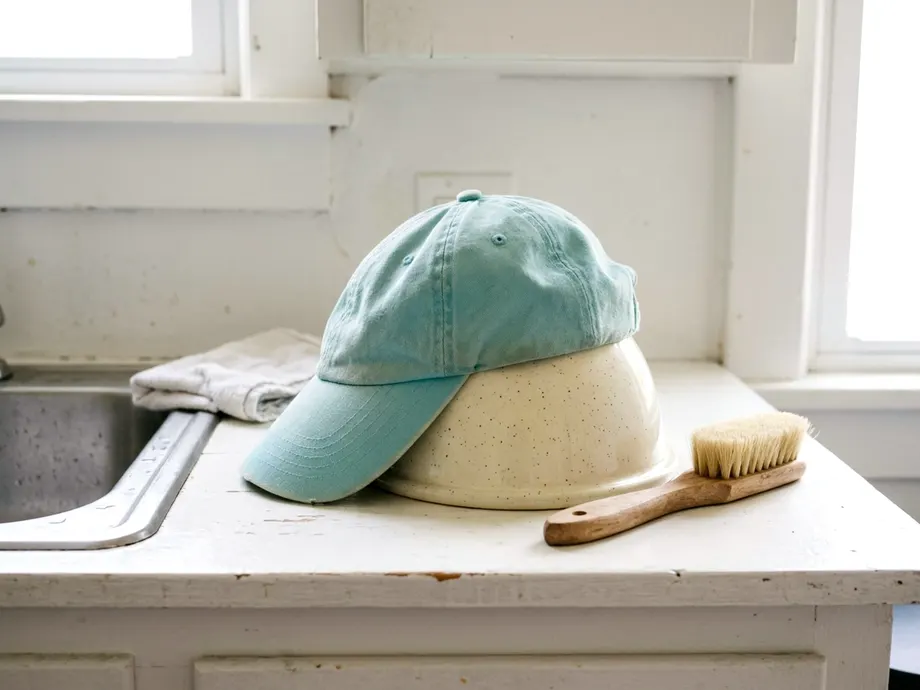
The best way to clean hats is to wash them by hand in a sink of cool water and mild detergent. This gentle method removes oil and dirt without warping the brim or shrinking the fabric. Skip the washing machine entirely to keep the structure intact.
Throwing a cap in a machine cycle can bend the bill and fray the stitching. Dishwashers are just as rough, and the heat and detergent can fade colors. Washing by hand takes very little effort and protects your favorite headwear from permanent damage.
Check the tag and the brim before water touches the hat
Read the care tag inside the band before you start. The label tells you what material you are working with. Cotton and polyester hold up well to a full wash. Wool and silk need more care and cooler water.
Find out what sits inside the brim next. Older baseball caps have cardboard bills wrapped in fabric. Tap the brim with your fingernail and listen to the sound. A dull, hollow sound suggests cardboard, so do not soak the hat.
Water can warp a cardboard bill for good. Treat a cardboard brim like a paper book and keep it completely dry.
A solid tap means the bill is made of plastic. Plastic brims usually handle water better. Many modern caps use plastic inserts, while vintage caps often need spot cleaning only.
Spot clean the sweatband to remove oil and salt
The band inside the hat traps sweat and skin oil. Clean it before you wash the rest of the cap. You need four things.
- A soft toothbrush
- Mild laundry detergent
- A small cup of cool water
- A clean dry cloth
Mix a few drops of the detergent into the cup of water. Dip the toothbrush into the soapy mixture. Scrub the sweatband in small circles. Focus your effort on the darkest stains along the forehead line.
You can use ordinary shampoo if the stains resist detergent. Shampoo is made to handle body oils. Rinse the brush and wipe the band with a damp cloth to clear away the soap.
Keep the water away from the brim if the hat is older. Let the band dry completely if you are only doing a spot clean. Otherwise, move straight to washing the whole cap.
Hand wash cotton and polyester caps in a basin of cool water
Fill a clean sink or a plastic basin with cool water. Add a small squirt of gentle laundry detergent. Swirl the water with your hand to make suds. Submerge the cap in the soapy water if it has a plastic brim.
Let the cap soak for a short time to loosen trapped dirt. Check the water color after a while. Very dirty hats turn the water brown quickly.
Empty the sink and mix a fresh batch of soapy water if this happens. A second soak pulls out the remaining grime.
Use a soft cloth to gently rub the outside of the cap. Wipe the fabric panels in straight lines. Pay close attention to the areas where you grab the hat most often. The front panels and the edge of the bill collect the most finger grease.
Rinse the cap thoroughly under cold running water. Hold the hat under the faucet and let the water flow over the fabric. Keep rinsing until the water runs clear and the fabric feels normal. Leftover soap leaves a sticky residue that attracts dust.
Just like learning how to wash a load of laundry so it actually comes out clean, getting all the detergent out matters most. Press a clean towel against the panels to absorb the excess water. Do not twist the fabric or wring the brim under any circumstances.
Squeeze knit beanies gently in soapy water and dry them flat
Winter hats stretch out of shape easily when wet. Hand washing is the safest route for knits. Check the fiber content first to see what material you have. People often wonder can you dry clean at home, and which labels allow it when dealing with heavy wool items.
True wool needs cold water and very mild soap to prevent shrinking. Acrylic yarn handles washing a bit better but still warps if you pull it.
Fill a basin with cool water and a few drops of mild soap. Push the beanie under the water slowly. Squeeze the knit fabric gently to push the soap through the fibers.
Never rub the yarn together. Rubbing causes wool to felt and shrink into a stiff mat.
Drain the basin and fill it with clean cold water. Press the beanie into the rinse water to clear the soap. Repeat this step until no more soap bubbles appear. Lift the hat from underneath with both hands to support its weight.
Wet wool is heavy and stretches out if you pull it from the top. Roll the wet beanie in a dry bath towel and press down to force the water out of the hat. Unroll the towel and lay the beanie flat on a dry rack. Reshape it to its original size while it is still damp.
Brush felt and straw hats instead of soaking them
Water can ruin the stiff structure of felt and straw. These materials need dry cleaning methods to stay sharp and crisp. Start by brushing a felt hat to remove surface dust.
Use a soft hat brush and sweep the bristles in counterclockwise circles. Brushing in one direction keeps the felt fibers lying flat. Treat small stains on felt with a gum eraser. Rub the eraser gently over the mark until it crumbles away, then sweep the crumbs off with your brush.
Steam can help revive crushed felt or fix a dented crown. Hold the hat well above a kettle of steaming water for a short time, and keep your hands clear of the steam. The steam softens the fibers just enough for you to smooth out dents with your fingers. Let the felt cool completely so it sets in its proper shape.
Straw hats require a different approach. Wipe a dusty straw hat with a dry microfiber cloth. Treat dirt marks with a damp cloth pressed into a tiny bit of mild soap.
Wipe the dirty spot following the direction of the straw weave. Wipe away the soap with a clean damp cloth immediately. Keep the straw as dry as possible during this process.
Too much moisture can make natural straw swell and crack. Keep your hats out of direct sunlight while they dry to prevent color fading.
Dry every hat over a round form so it holds its shape
The drying phase determines how your hat looks when you wear it next. Wet fabric molds to whatever it rests on as it dries. Hanging a cap by its strap can leave a crease across the back. Leaving a hat flat on a table can crush the front panels and flatten the crown.
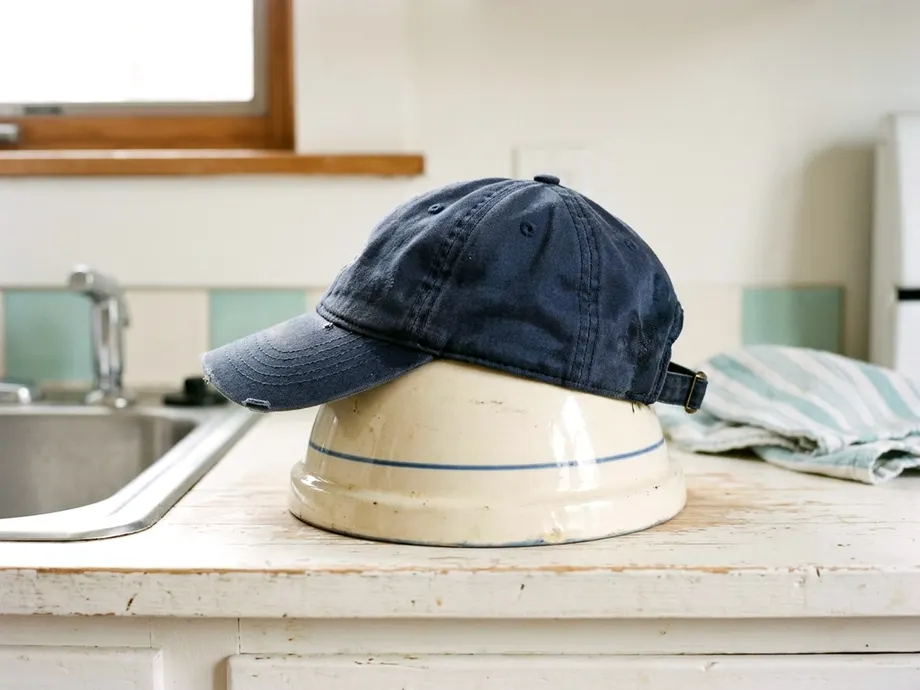
Find an object that mimics the round shape of a head. An overturned bowl works for most baseball caps. A large coffee can or a rolled up heavy towel also does the job.
Place the wet cap over your chosen form. Smooth the fabric down so there are no wrinkles on the outside. Curve the brim exactly how you like to wear it. The bill dries in the exact position you leave it.
Place the hat and its form in a well ventilated room. Point a small desk fan at the cap to speed up the evaporation. A gentle breeze helps prevent a musty smell from developing in the wet fabric.
Allow the hat to dry completely before you wear it outside. A damp cap stretches out over your forehead and traps moisture against your skin. Give the fabric plenty of time to harden back into shape.
Next snags we can fix
Can you dry clean at home, and which labels allow it
Find out how to dry clean at home by reading the label rules and learning the hand washing steps that save money on professional cleaning bills.
Laundry Day 8 min fix
How to wash a load of laundry so it actually comes out clean
Learn the right way of cleaning the laundry by sorting fabrics, setting the correct water temperature and drying clothes so they last longer.
Laundry Day 7 min fix
Which travel documents you need to fly in the US and abroad
Find out exactly which US travel docs you need to board your next domestic or international flight and what to do if your ID falls short.
Trip Planning 6 min fix