Can you dry clean at home, and which labels allow it
Find out how to dry clean at home by reading the label rules and learning the hand washing steps that save money on professional cleaning bills.
- Jotted down by Gwen Halvorsen
- 8 min fix
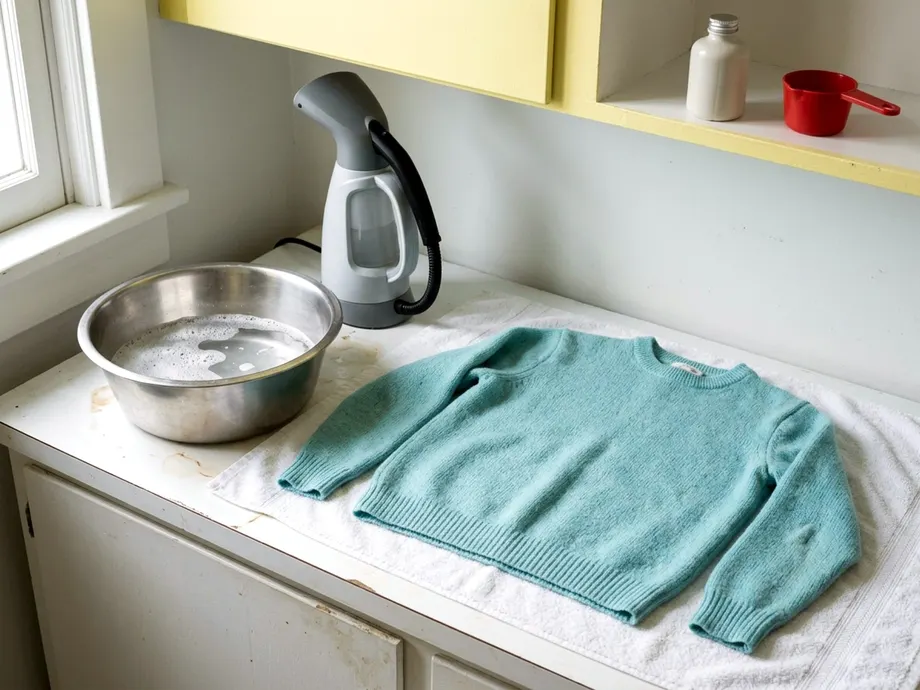
You can refresh many items labeled Dryclean at home using steam or a gentle hand wash. The care tag dictates the safest approach, though federal guidelines mean a dry cleaning label does not always rule out a wash. You just need to know the fabric and the right technique to avoid shrinking your clothes.
What dry cleaning does that washing does not
Water acts as a highly effective solvent for dirt and sweat. It also changes how natural fibers behave. When you drop a wool sweater or a silk shirt into a washing machine, the fibers absorb water and swell.
This swelling distorts the shape of the threads. The rough agitation of a washing machine then beats these swollen fibers together. The friction causes the threads to lock tight and shrink permanently. Water also encourages dyes to detach from the fabric and bleed into the wash.
Dry cleaning avoids these problems by replacing water with a liquid chemical solvent. These solvents lift oil, wax and grease without penetrating the fibers the way water does. Because the threads do not swell, the garment keeps its original shape and size.
The dry cleaning machine tumbles the clothes gently in a continuous flow of filtered solvent. This steady liquid process minimizes the friction that causes wear and tear on delicate materials.
Solvents excel at dissolving body oils and cosmetic stains that water leaves behind. They are less effective at removing water-based stains like fruit juice or sweat.
A professional cleaner treats those water-based stains by hand before putting the garment into the main machine. Professional shops use specialized spotting boards and targeted chemicals to lift coffee or wine. A home wash cannot match that targeted chemistry.
What Dryclean and Dryclean Only mean on a label
Clothing tags are strictly regulated by the federal government. Manufacturers must follow FTC rules requiring clothing labels to give a washing or a dry cleaning instruction, and one is enough even if both methods are safe.
A tag that says Dryclean is a complete care instruction on its own, even when the item could also be washed. It does not necessarily mean water will destroy the piece, but washing it at home is at your own risk.
You must pay close attention to the word "only" on a care tag. Under FTC rules, a garment may be labeled Dryclean Only only if there is evidence that washing will damage it. This specific phrase acts as a clear warning to keep the item out of your sink.
The federal rules also protect clothes from incompatible chemicals. If some dry cleaning solvents would harm an item, FTC rules require the label to name a safe solvent. You will sometimes see tags specifying petroleum solvents or warning against specific harsh chemicals.
The agency applies a similar strictness to common laundry bleach. FTC rules require a No bleach or Do not bleach label when all bleaches would harm the item.
Which fabrics usually survive a gentle hand wash
Knowing the fabric composition helps you decide whether to wash an item at home, and a Dryclean Only tag always wins. Natural animal fibers like wool, cashmere and silk often respond well to a careful hand wash in cold water. Simple cotton and linen garments labeled Dryclean often survive a gentle soak. Synthetic materials such as polyester, nylon and acrylic tend to tolerate water better.
Rayon and viscose require extreme caution. These semi-synthetic fabrics swell rapidly in water. A rayon shirt can shrink noticeably in a single wash.
The fibers also lose their strength when wet, making them prone to tearing under their own weight. You should leave rayon garments to a professional cleaner.
You must also evaluate the construction of the garment. Unstructured items like plain sweaters, scarves and simple blouses are generally easy to wash. Structured garments hide internal traps.
Suit jackets, blazers and formal coats contain layers of stiff interfacing stitched or glued inside the chest and lapels. Water can damage these internal supports, since glue may loosen and canvas may warp. That can leave the jacket puckered.
Always test a garment for colorfastness before you wash it. Wet a white cotton swab with plain water. Rub the damp swab against a hidden inside seam. Wait a few minutes.
If the swab picks up any color, the dye is unstable. The garment may bleed in water, so send it to a cleaner.
How to hand wash and dry a delicate item at home
A home hand wash must eliminate the heat and friction that destroy fabrics. You are simply soaking the dirt out of the material. Gather a clean plastic basin, a bottle of mild laundry soap designed for delicates, and two heavy cotton bath towels.
Work in this order:
- Fill the basin with cool water and mix in a small splash of delicate laundry soap.
- Push the garment down into the water until it is completely submerged.
- Press the fabric gently against the bottom of the basin to move soapy water through the threads.
- Leave the garment to soak quietly for a few minutes.
- Drain the soapy water and refill the basin with clean, cool water.
- Press the garment into the clean water to rinse the soap out, repeating with fresh water until no suds remain.
- Lift the wet garment and squeeze it gently against the side of the basin.
Never twist or wring a wet sweater or silk dress. Wringing can break weak threads and stretch the collar out of shape. The item will still be quite heavy and wet when you pull it from the final rinse water.
Place a dry bath towel flat on a table or the floor. Lay the wet garment flat on top of the towel. Roll the towel and the garment up together into a tight cylinder.
Press down hard on the rolled towel with your hands. The dry terry cloth will absorb the excess water from the delicate fabric.
Unroll the towel and lift the damp garment carefully. Lay it flat on a mesh drying rack. Nudge the seams, the sleeves and the collar back into their proper shape while the fabric is wet.
Keep the drying rack away from direct sunlight and hot air vents. The fabric must dry slowly at room temperature. Slow drying prevents shrinking. For regular loads, see how to wash a load of laundry.
How to freshen and steam clothes between cleanings
You do not need to clean a garment every time you wear it. Dry cleaning solvents can be hard on some fabrics, so frequent trips to the cleaner may wear a good suit faster. You can maintain your clothes between cleanings with a few basic tools.
Using a garment steamer
A handheld steamer is an excellent tool for delicate clothes. Hot steam relaxes wrinkles without crushing the fabric the way a heavy iron does. Steam can also help freshen a garment between cleanings.
Hang the garment on a heavy wooden or plastic hanger. Pull the hem of the fabric taut with your free hand. Run the steamer nozzle down the fabric, hovering a short distance away from the surface.
Do not press the hot metal plate directly against silk or wool. Let the garment hang in an open room for a few hours after steaming so the dampness can evaporate.
Brushing wool and suits
A clothes brush removes dust, pet hair and dried mud from woven fabrics. Brushing prevents loose dirt from grinding deep into the fibers where it can cause permanent damage. Buy a brush with soft natural bristles. A gentle brush is also a great tool to clean a hat safely.
Hang the suit jacket or coat on a sturdy hook. Brush the fabric downward with long, sweeping strokes.
Spot cleaning small marks
You can handle minor food spills without submerging the whole garment. Mix a single drop of mild dish soap into a small bowl of cold water. Dip a clean white cloth into the mixture and wring it out completely. Dab the stain gently with the damp cloth.
Never scrub a stain on a delicate fabric. Scrubbing breaks the fibers and creates a fuzzy patch that cannot be repaired.
Blot the damp area with a dry cloth to lift the moisture. If the stain remains, stop working on it. Take the piece to a cleaner and point out the spot.
Properly airing out your clothes prevents odors from setting in. Do not cram a worn jacket or dress straight back into a crowded closet. Hang it in a well-ventilated room overnight before putting it away.
Which items should always go to a professional
Some garments are too complex, too delicate or too badly stained for home care. You should respect a Dryclean Only tag. The maker needs evidence that washing will damage the piece.
Tailored garments with stiff internal structures require professional equipment. Suit jackets, tuxedos and heavy winter coats rely on layers of canvas and padding. Water breaks down the adhesives holding these layers together.
A professional cleaner uses solvents that leave the internal structure intact. They also use specialized pressing machines to restore the curved shape of the chest and shoulders.
Garments with crisp pleats belong at the dry cleaner. Water can wash out the sizing that keeps pleated skirts and trousers sharp. The agitation of a wash can flatten the folds. Professional cleaners know how to clean these items and press the pleats back sharp.
Leave clothes with intricate embellishments to the experts. Beaded gowns, sequined shirts and heavy lace garments are easily damaged by a home wash. The thin threads holding the decorations snap easily in a basin.
Some plastic beads and sequins can melt in certain dry cleaning fluids, which is why the label may name a safe solvent. A professional cleaner can identify the materials and select a safe solvent.
Severe stains require professional chemistry. Heavy oil spills, dried paint and large ink stains rarely come out in a home sink. Water can push oil deeper into the fabric. Professional solvents flush heavy greases out without swelling the threads.
You should also trust professionals with garments that hold sentimental value. Old threads can be brittle and older dyes may bleed. A professional cleaner can evaluate the fabric and choose a safe cleaning method. If you cannot bear the thought of ruining a vintage dress or a family heirloom, pay the professional cleaning bill.
Next snags we can fix
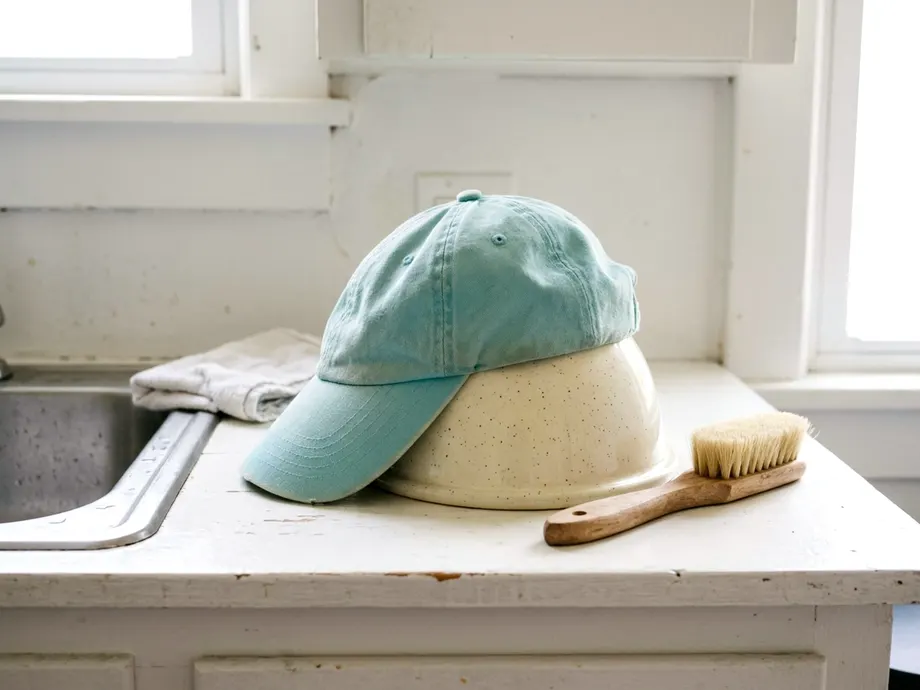
The best way to clean a hat without crushing its shape
The best way to clean hats is to wash them by hand in cool water, spot treat the sweatband, and dry them over a round form to protect the brim.
Laundry Day 6 min fix
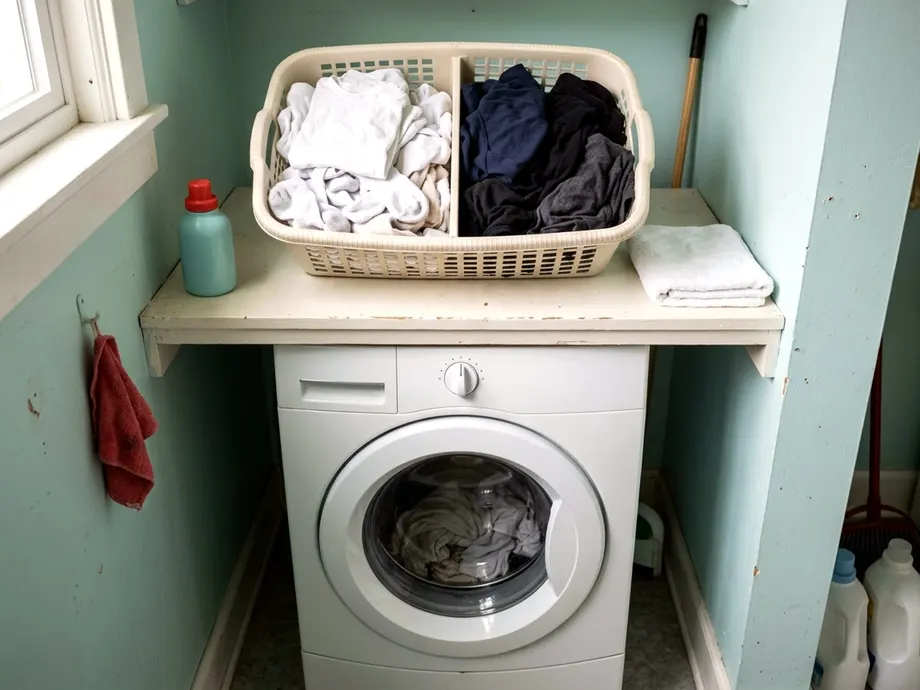
How to wash a load of laundry so it actually comes out clean
Learn the right way of cleaning the laundry by sorting fabrics, setting the correct water temperature and drying clothes so they last longer.
Laundry Day 7 min fix
Which travel documents you need to fly in the US and abroad
Find out exactly which US travel docs you need to board your next domestic or international flight and what to do if your ID falls short.
Trip Planning 6 min fix