How to work out what a trip will really cost before you book
Travel budgeting takes the stress out of planning by showing the total cost upfront. Learn how to tally every expense and build a realistic trip fund.
- Jotted down by Hattie Gundersen
- 7 min fix

Travel budgeting means writing down every single cost of a trip before paying a dime. A solid plan captures flights, hotel rooms, daily meals and hidden fees in one list. This clear total shows exactly what to save so the bills are covered before departure.
Add up the big tickets of transport and lodging
Fixed costs form the foundation of any trip. Start by checking the price for round-trip flights, long-distance train tickets or a rental car. You need these base prices before planning out any other details.
Search for flights out of smaller regional airports as well as major transit hubs. Sometimes a longer drive to the airport yields a cheaper plane ticket. Remember to add the cost of parking your car at the departure airport for the duration of the trip.
Browsing a few airline booking sites gives a rough idea of airfare. Include the cost of gas and highway toll roads if you plan to drive a personal vehicle. Route-planning apps may estimate fuel costs based on the driving distance and your specific vehicle type.
Booking a place to sleep comes next. Search for hotels, highway motels or vacation rentals at the destination. Multiply the nightly room rate by the total nights of the stay to find the base lodging cost.
Read the fine print to uncover local state taxes and mandatory cleaning fees. Add these mandatory charges to the base room rate.
Estimate your daily spending for food and fun
Meals can take a large part of a travel fund. Break food expenses down into breakfast, lunch, dinner and snacks. Review online menus for restaurants near the destination to gauge local prices. You can estimate a daily food cost per person based on these menus and multiply that amount by the days of the vacation.
Buying coffee and pastries at a local cafe adds up quickly over a long stay, and eating every meal at a restaurant can drain a budget fast. Purchasing a box of granola bars and some fresh fruit from a nearby grocery store helps stretch the morning budget. Packing a simple sandwich for lunch leaves more cash available for a nice dinner out.
Local transit stands out as another mandatory daily expense. Look up the price of a city subway pass or estimate ride-share fares from the hotel to the main sights. Factor in daily parking garage fees and fuel if using a rental car. Knowing how you will get around stops local transit costs from becoming a surprise, and walking between close attractions keeps this section of the budget low.
Activity tickets require upfront research. Find the admission price for national parks, art museums and guided city tours on their official sites, and add these entry fees to a running daily total. Taking time to build a trip itinerary helps map out exactly what these excursions will cost. Some attractions may offer discounts for buying passes online ahead of time.
Catch the hidden fees before they add up
Airlines frequently charge extra for checked bags and advanced seat selection. Check the carrier rules to see what a basic economy ticket actually covers. Paying for luggage at the gate often costs more than paying online beforehand, so factor these luggage costs directly into the initial flight estimate. A cheap fare often inflates once you add a heavy suitcase and a designated aisle seat.
Rental car companies may offer extra insurance policies at the counter. Check your personal auto insurance policy beforehand to see if it covers rental vehicles. Ask whether bringing your own toll transponder avoids the rental company's daily fee for theirs. Contact your cell phone provider to arrange an international data plan before flying abroad, because relying on default roaming charges can make the next cell phone bill spike.
Hotels regularly add surprise costs at the front desk. Look for daily resort fees or amenity charges hidden in the booking terms, and add up these nightly extras to see the true cost of a room. City hotels often charge a daily fee for parking a vehicle overnight, and nearby lots may not be cheaper. Finding these places money leaks early keeps the trip affordable.
Tipping adds a steady drip to daily spending. Keep cash in mind for hotel bellhops, housekeepers, valets and tour guides. Add extra room in the food budget for restaurant gratuities and room service delivery fees.
Include the price of a travel insurance policy in this section as well. Call your bank to check for foreign transaction fees before traveling outside the United States. A quick phone call can help you avoid a string of small extra charges on vacation purchases.
Build in a safety net for the unexpected
Travel rarely goes exactly to plan. A delayed flight might force you to buy an expensive airport meal, and a sudden downpour often requires a cab ride instead of a walk. Set aside extra funds just for these sudden shifts. This emergency money helps you avoid relying on a credit card when things go wrong.
Airlines sometimes lose checked bags, forcing you to buy replacement clothes and toiletries upon arrival. Minor illnesses can mean sudden trips to an urgent care clinic or a local pharmacy for medicine.
Calculate a buffer amount to add to the overall trip total. This cash cushion covers a lost jacket, a minor emergency or an unexpected tire repair. Keep this safety net separate from the daily spending money. Unused buffer money simply stays in your checking account when the vacation ends.
Match the final tally against your savings plan
Add the fixed costs, daily spending, hidden fees and safety cushion together. This sum represents the true total cost of the vacation. Compare this final number to the travel savings sitting in the bank. You might already have enough to book the trip immediately, but if not, figure out how many weeks remain until the ideal booking date.
Opening a separate savings account dedicated just to the trip helps keep the money from mixing with everyday funds. Setting up an automatic transfer can move money from your paycheck or checking account into the travel fund. This helps keep saving consistent.
Divide the remaining trip total by the weeks left before booking to get a clear weekly savings target. Check your regular household spending to see if hitting this target is realistic. Diverting funds from things you buy every week builds the trip fund faster. Delaying the trip provides more time to save if the weekly target feels too tight.
Cut from the top down to fit the budget
A trip total that exceeds the savings plan requires immediate cuts. Target the largest expenses first to make a real impact on the bottom line. Swapping a luxury hotel for a modest apartment can save more than skipping an afternoon coffee, and changing the flight dates by a few days can sometimes lower the airfare. Focus on the big line items to lower the total quickly.
Consider shifting the vacation away from peak travel seasons. Visiting a popular beach town in the early fall often costs less than going in the middle of summer. Swap a pricey airport taxi for a ride on the city bus or train to reach the hotel. Every major cut reduces the amount of time needed to save for the trip.
Reduce daily food costs by booking lodging with a full kitchen. Cooking breakfast and packing a sandwich for lunch saves cash for a nice dinner out. Look for free local activities, public parks and walking trails to replace expensive guided tours. Keep trimming the big categories until the total matches the savings goal.
Avoid cutting the emergency cushion to make the budget work. Lowering the safety net leaves the trip vulnerable to sudden problems. Make the hard choices on lodging, transport or daily meals instead.
Keep spending on track with a daily limit
Arriving at the destination starts the active spending phase. Separate the prepaid costs, like flights and hotels, from the daily spending money. Divide the remaining food, local transit and activity funds by the days of the trip to produce one simple daily spending limit. You only need to remember this single number while exploring.
Focus entirely on that daily limit while traveling. Log every purchase in a small notebook or a notes app on your phone. Jotting down the cost of a museum ticket or a restaurant bill takes only a few seconds. Checking this running tally each night keeps you honest about the daily limit.
Spending less on one day rolls extra cash into the budget for the next. A simple daily limit removes the need for complex math on vacation.
Next snags we can fix

Build a trip itinerary that leaves room for a slow morning
Build a flexible travel itinerary that covers the big sights while leaving plenty of room for slow mornings, long lunches and unexpected discoveries.
Trip Planning 7 min fix

Which travel documents you need to fly in the US and abroad
Find out exactly which US travel documents you need to board your next domestic or international flight and what to do if your ID falls short.
Trip Planning 6 min fix
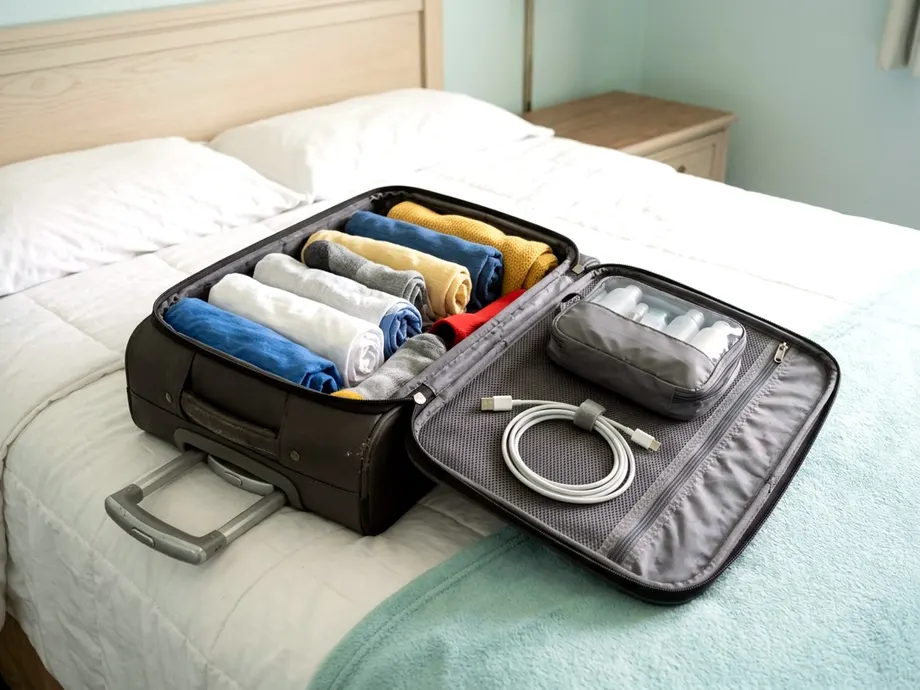
9 things to put on a vacation packing list first
A solid vacation packing list starts with the essentials you cannot easily replace. Pack your documents, medications and carry-on items in this exact order.
Trip Planning 7 min fix