Build a trip itinerary that leaves room for a slow morning
Build a flexible travel itinerary that covers the big sights while leaving plenty of room for slow mornings, long lunches and unexpected discoveries.
- Jotted down by Hattie Gundersen
- 7 min fix
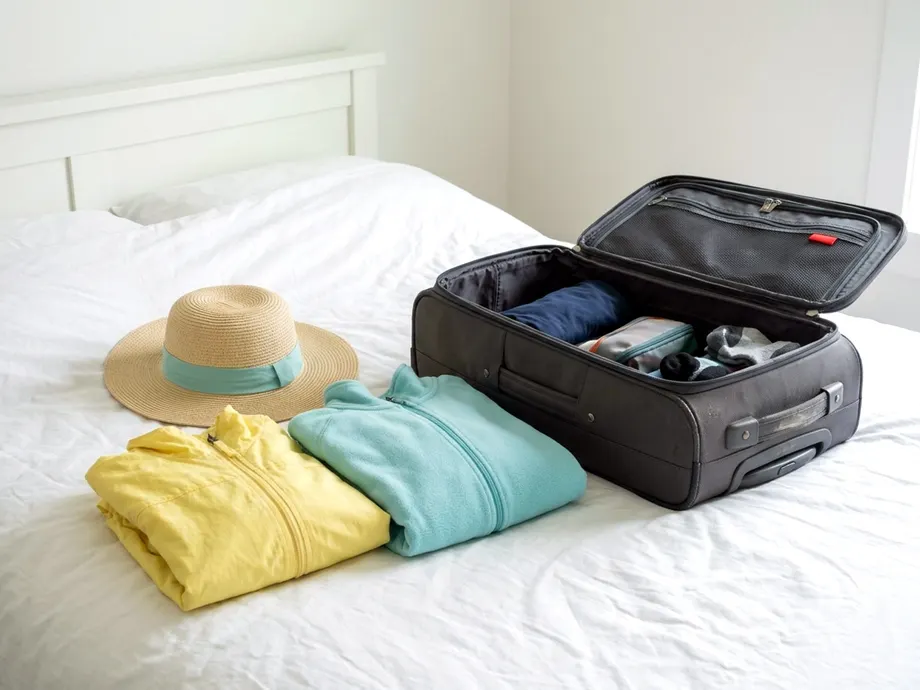
A good travel itinerary maps out a few fixed anchors and leaves the rest of the day open. Planning a trip this way helps keep a vacation smooth. You see the big sights without watching the clock or rushing through breakfast to meet a tight schedule.
Pick the few things you must do
The urge to see everything can ruin a vacation. Start the planning process by writing down the absolute priorities for the trip, limiting this master list to just a few main events for the entire stay, and ask whoever travels with you to do the same. A giant list of sights quickly turns a break into a chore.
Keep these main events focused on fixed commitments. A busy museum you have always wanted to see belongs on the list. Wandering around a nice neighborhood is an activity, but it does not need a spot on the priority list. Give the top spots to things that require a ticket or a reserved entry time.
Confirm the basic details for these main choices. An art gallery might close on a specific weekday, or a historical site might open late on weekends. Pin down the open days and hours before you slot anything into a plan.
Accepting that you will miss some things makes the trip better. A short list of firm commitments protects your time. You can always add a minor stop back in if you find yourself bored.
Group stops by area so you avoid backtracking
Crisscrossing a city can waste hours of a trip. Open a digital map and drop a pin on your hotel. Add pins for the main attractions you just picked out. A clear geographic pattern will emerge on the screen.
Cluster your activities by neighborhood. Do two museums on the same side of town on the same day. Avoid scheduling a morning tour in the north end and an afternoon activity in the far south. Staying in one zone allows you to walk between spots or take a single short transit ride.
Look for minor things to do near your main anchors. Find a park, a coffee shop or a good spot for lunch within a short walk of your scheduled event. Finding a place to eat takes time in an unfamiliar area. Picking a few lunch options near your morning activity prevents the group from wandering around hungry.
Keep these secondary options in mind as flexible choices. If the main event takes longer than expected, you can drop the extra stops without ruining the day.
Set a realistic limit on daily activities
A practical plan keeps the major activities few each day. You might fit in a smaller stop, but pushing beyond that invites exhaustion. A major activity takes up a whole morning or a long afternoon. Think of a guided tour, a large gallery or a long hike.
Small stops fill the gaps around the big anchor. Grabbing a snack from a famous bakery or walking through a botanical garden counts as a small stop. Pair a big event with a small event to create a full but manageable day.
Account for the physical toll of travel. Walking around a new place requires more energy than a normal day at home, and unfamiliar beds drain your stamina. Match the activity to the time of day to preserve your strength. Save long walks for the cool morning air, and sit down for a long lunch when the afternoon heat sets in.
Giving yourself a strict limit on activities prevents the whole group from burning out by the second day. You can always find something else to do if you finish early and feel great.
Leave one open block every day
A strict schedule breaks the moment a line grows long or a train runs late. Every single day of a trip needs a large block of completely unassigned time. Leaving the morning wide open is a reliable way to add slack to the plan.
A slow morning sets a calm tone for the day. You can wake up without an alarm, take a long shower and find a slow breakfast. Waking up in a new bed takes adjustment, and forcing a tired group out the door by breakfast can cause arguments. Booking your first ticketed event for the early afternoon allows the morning to unfold naturally.
Unplanned time absorbs travel delays and gives you space to follow up on local recommendations. A waiter might mention a great vintage store, or a local might point you toward a quiet walking path. A packed schedule forces you to ignore these tips. An open afternoon gives you the freedom to go look.
Rest is a valid vacation activity. Sitting on a bench to watch people keeps you fresh. Going back to the hotel for a nap works just as well.
Add the travel time between places
Moving from one place to another takes longer than a map suggests. A map tells you the driving time or the train ride duration. It rarely accounts for walking to the station, figuring out the ticket machine, waiting on the platform or finding the right exit.
Pad your transit times well beyond what the map predicts, and leave room for the walk to the station and the wait on the platform. Public transit runs on its own schedule. A generous transit budget keeps a missed connection from ruining the next activity.
Arriving early to an activity is a reward. You can grab a coffee or sit in a nearby square until your ticket time. Rushing to a reserved entry slot creates tension and starts the activity on a sour note.
Think about how you want to move around. Walking through a historic district counts as sightseeing. Taking a taxi across town is just transit. Plan extra time for walking routes so you can stop and look at things along the way.
Note booking details and addresses in one place
Scrambling to find a confirmation email at a ticket desk creates unnecessary stress. Collect every booking detail in a single place before you leave home. A shared digital note works well, and a printed piece of paper is a smart backup.
Write down the name of the place, the exact address, the date and the entry time. Add the confirmation code or the order number. Note the name of the specific company if you bought tickets through a third party.
Organize this list chronologically by day. A quick glance at your phone tells you exactly where you need to be and when. This single document stops you from digging through an email inbox on a slow mobile connection. You can also review which travel documents you need to fly and keep those rules saved in the same note.
Cell service can drop out in busy areas. A digital map or a ticket app fails when you lose your data connection. Taking screenshots of your booking codes keeps the information available offline.
Add a backup phone number for your main stops. Calling ahead can save your reservation if a taxi breaks down or a train stops moving. Having the number ready prevents a frantic internet search from a crowded sidewalk.
Share the plan with whoever travels with you
Everyone on the trip needs to understand the schedule. Share the itinerary a few days before you leave. Going over the plan sets expectations for the pace of the trip, and it helps everyone pack the right clothes for each day.
Talk through the early starts and the slow mornings. Point out the days that require waking up at dawn to catch a train. People prepare better when they know a heavy day is coming. Highlighting the slow mornings reassures the group that rest is part of the plan.
A planned schedule removes the guesswork from packing. You know exactly when you need walking shoes and when you need a nicer outfit. A clear itinerary prevents you from hauling heavy gear you never use. You can then work out what to put on a vacation packing list first without worrying about missing a major sight.
Ask for final thoughts. Resist the urge to cram in more stops if someone suggests another idea, and swap a planned activity out instead of just adding a new one on top. Reviewing the stops together also helps you figure out what a trip will really cost before you book.
Next snags we can fix

Which travel documents you need to fly in the US and abroad
Find out exactly which US travel documents you need to board your next domestic or international flight and what to do if your ID falls short.
Trip Planning 6 min fix
How to work out what a trip will really cost before you book
Travel budgeting takes the stress out of planning by showing the total cost upfront. Learn how to tally every expense and build a realistic trip fund.
Trip Planning 7 min fix
9 things to put on a vacation packing list first
A solid vacation packing list starts with the essentials you cannot easily replace. Pack your documents, medications and carry-on items in this exact order.
Trip Planning 7 min fix