Ways to save money on the things you buy every week
Find practical ways to save money on groceries, phone bills and auto insurance. Lower your household expenses by reducing the costs you pay every single week.
- Jotted down by Hattie Gundersen
- 7 min fix
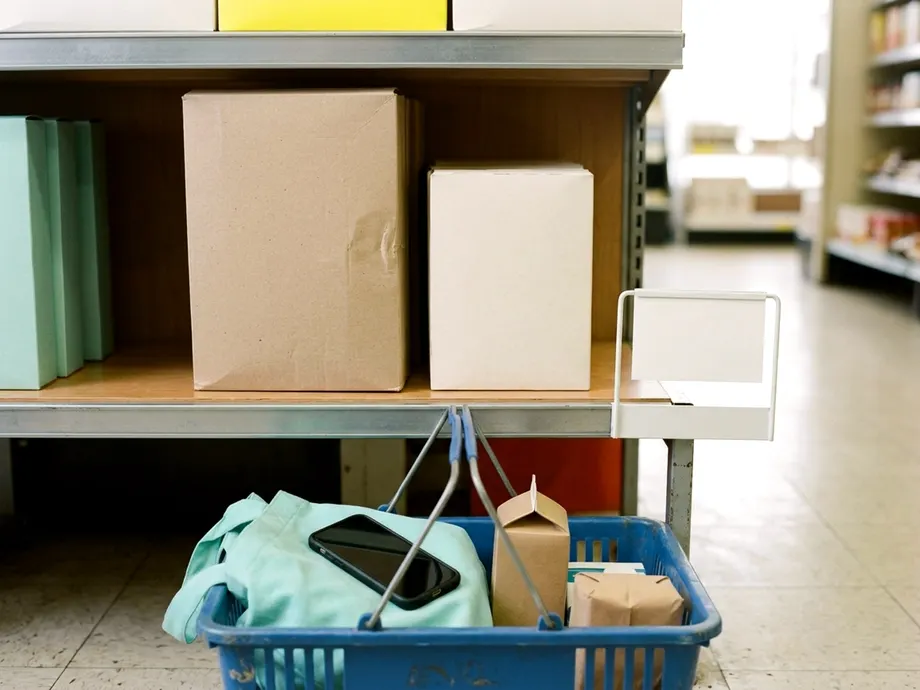
Lower your grocery bills and recurring expenses to find immediate ways to save money at home. You keep more cash in your checking account by comparing shelf tags and negotiating with your auto insurer. These daily habits chip away at the big expenses that repeat every week or month.
Focus on the purchases you make every single week
Start with the things you buy repeatedly. A small change to a weekly grocery bill or a monthly auto insurance premium adds up fast. Skip forgotten subscriptions and bank fees, since those are places money leaks out of a budget every month. Tackle your regular weekly bills first to see a real difference in your bank balance.
Compare groceries by the unit price on the shelf tag
Look past the bright retail price on a package. Find the smaller unit price printed on the store shelf tag. The National Institute of Standards and Technology defines unit pricing as pricing goods by cost per unit of measure, which lets shoppers pick the best quantity to price ratio.
This tells you exactly what you pay for one ounce of cereal. A large box of trash bags might look like a deal. The unit price tells you if the medium box actually costs less per bag. Read this tag on every aisle to compare different brands side by side and stop overpaying for staples.
Watch for smaller packages sold at the same price
Food companies sometimes put less product inside a familiar box. You end up paying the old price for less food. The same federal agency describes shrinkflation as a product sold at the same price with reduced net contents, citing 1.44 quart ice cream containers replacing the 1.5 quart size.
Check the net weight printed near the bottom of a package before you put it in your cart. A favorite brand of dish soap might hold fewer fluid ounces than it did on your last trip. The unit price on the shelf tag shows the higher cost per unit. Switch to a store brand if your usual brand shrinks the package but keeps the price high.
Buy store brands instead of heavily advertised labels
National brands spend heavily on marketing and pass those costs to you. Store brands sit right next to them on the shelf and often cost less. The ingredients can be very similar. Pick up the store brand of rolled oats or canned beans.
Read the ingredient list on the back of both packages. Compare the lists and the unit prices. Swap out one or two items a week to see if your household notices the difference. Switch back if the generic version falls short, but this swap can lower a weekly grocery bill.
Plan your meals to avoid buying takeout food
Buying lunch at work or ordering dinner drains a checking account. You pay a high premium for the convenience of prepared food. Write down a simple menu for the upcoming week before you go to the grocery store. Buy exactly what you need to cook those specific meals.
Take an afternoon to batch cook on Sunday and keep it safe to eat during the week. Put individual portions into glass containers in the refrigerator. You grab one of these ready meals instead of spending money at a drive-through.
Wash your laundry in cold water to save energy
Hot water adds to your utility bill. Washing every load on the hot cycle uses more energy than most loads need. Switch your washing machine dial to the cold water setting for your everyday loads. Many laundry detergents are made to work in cold water, so check the label.
Sort your clothes properly to help the cold water work. You learn how to wash a load of laundry so it actually comes out clean without relying on hot water. Save the hot water cycle for heavily soiled items like cloth diapers or greasy work clothes.
Check your tire pressure to spend less on gasoline
Underinflated tires create more rolling resistance on the road. The car engine works harder to push the vehicle forward. This burns more gasoline and costs you more money at the pump. Check your tire pressure regularly with a gauge.
Look for the sticker on the driver's side door jamb to find the correct tire pressure for your car. Add air until the gauge matches this number. Properly inflated tires can help your gas mileage and tread life.
Match your phone plan to how much data you really use
Open your phone settings and check your actual data usage for the past month. Many cellular providers sell expensive unlimited data plans. You might only use a few gigabytes a month if your phone usually connects to Wi-Fi at work and at home.
Call your cellular provider and ask for a plan that fits your real usage. Moving from an unlimited data plan to a capped data plan lowers your monthly phone bill. Ask the representative to remove phone insurance if you already pay for those services elsewhere. Buy only the data you need to check email and load maps.
Stop paying for extra storage on your digital devices
Cloud storage companies charge a monthly fee to hold your photos and documents. You sign up for a small charge and forget about it until it adds up over a year. Delete large video files and blurry photos from your phone. Clean out your email inbox and empty the digital trash folder.
Move your older files to a physical external hard drive. A one-time purchase of a hard drive can cost less than a recurring subscription over time. Cancel the upgraded cloud storage plan once you move the files. Keep the free tier to back up your most important contacts.
Borrow tools and books instead of buying them
Hardware stores sell specialized tools you might only use once. A heavy-duty tile saw or a tall extension ladder costs a lot of money to sit in a garage. Call your local hardware store and ask about tool rentals, or use a city tool lending library. Borrowing or renting often costs less than buying.
Use your local public library for books and digital audiobooks. You pay for this service through local taxes. Download the library application to your phone to read digital books for free.
Get car insurance quotes for the same coverage
Shop around for auto insurance to lower your monthly premium. Pull up your current policy declarations page so you know your exact coverage limits. Give these exact numbers to several competing insurance companies to get accurate quotes. This ensures you compare the same liability limits and the same deductibles.
You can ask the agents to quote a policy with higher deductibles. The NAIC says raising deductibles on collision and comprehensive coverage may reduce insurance costs, if you can afford a larger share of a loss. Keep enough cash in a savings account to cover that larger deductible in an emergency.
Ask your insurer which discounts you qualify for
Call your current insurance agent before you switch companies. Ask them to review your file for missing discounts. The Texas Department of Insurance lists possible auto insurance discounts for safe driving, low mileage, defensive driving courses, good students and automatic or paperless payment.
Mention any life changes that might lower your risk profile. Tell your agent if you now work from home and drive fewer miles each week. Ask if taking a short defensive driving class will reduce your premium enough to pay for the course. Ask whether paperless billing and automatic payments qualify you for a lower rate.
Keep the old policy until the new one is in force
Do not cancel your current insurance the minute you find a better rate. A gap in coverage puts you at financial risk and can affect what you pay later. The Texas Department of Insurance advises not canceling your current auto policy until you have the new policy or written proof of coverage.
Steps to switch your auto insurance policy
- Pull your current declarations page to find your exact coverage limits.
- Give these identical limits to several new insurance companies for quotes.
- Review the new quotes to find the lowest monthly premium.
- Pay the first premium on the new policy to start coverage.
- Get written proof of the new coverage from the agent.
- Call your old insurer and cancel the previous policy.
Follow these steps in order. Ask your old insurer if any prepaid premium will be refunded once the new policy is active.
Put what you save on autopilot into savings
Take the money you cut from your weekly bills and move it into a savings account. A lower grocery bill or a cheaper phone plan only builds wealth if you save the difference. Log into your bank account and set up an automatic weekly transfer.
Move the exact amount you saved on groceries and insurance directly into your savings. Send this money to a separate savings account so you do not spend it. This builds an emergency fund without changing your standard of living.
Next snags we can fix
9 places money leaks out of a budget every month
Finding money waste in a monthly budget takes half an hour and can cut everyday leaks. A quick statement audit spots forgotten subscriptions and hidden charges.
Bill Busters 6 min fix

What budget percentages look like next to real US spending
Compare common budget percentages with real US household spending data to help you set a rule that works for your own income and monthly expenses.
Bill Busters 7 min fix
Which travel documents you need to fly in the US and abroad
Find out exactly which US travel docs you need to board your next domestic or international flight and what to do if your ID falls short.
Trip Planning 6 min fix