Clearing car windows inside and out without streaks
Learn exactly how to clean windows without streaks inside your car using a simple two-cloth method that cuts through stubborn dashboard haze and grime.
- Jotted down by Gideon Hargrove
- 8 min fix
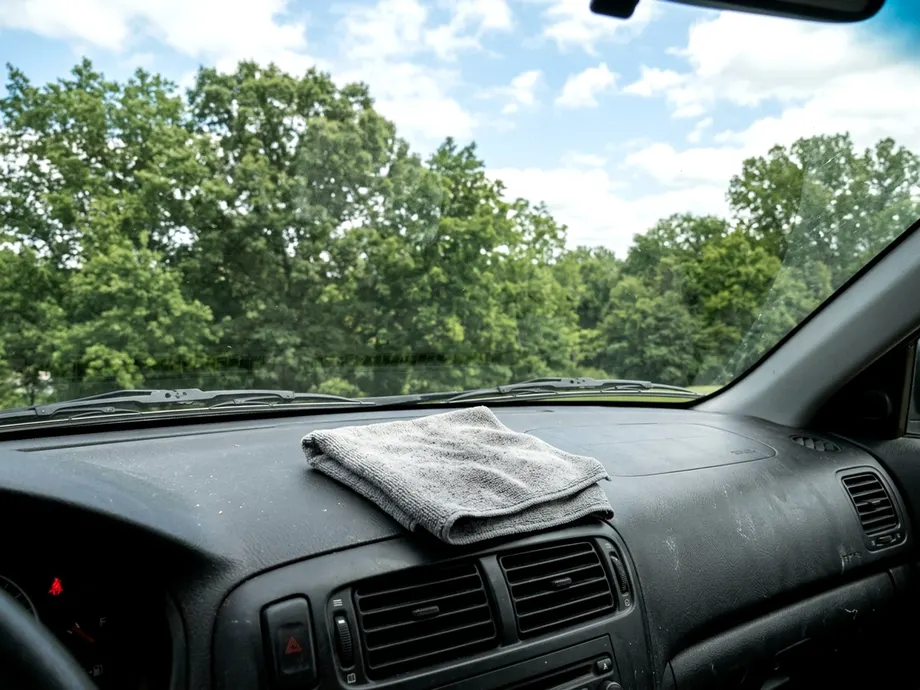
Clean glass requires two cloths, a basic cleaner, and a cool surface out of direct sunlight. A dry wipe lifts the hazy dust film first, while a liquid pass attacks the stubborn grime. Finishing with a dry cloth buffs away the moisture before streaks can form.
What causes the hazy film on inside car glass
The inside of a windshield grows cloudy over time, even if nobody touches it. Plastics and vinyl materials in the dashboard can release gas. The gas floats up, hits the glass, and sticks there. This sticky layer forms the base of the problem.
Heating and air conditioning systems can blow fine dust from the vents straight onto the windshield. The sticky gas catches this vent dust. Moisture from your breath turns into condensation on cold days. The water droplets grab more dirt from the air.
Sunlight can bake the mixture of plastic gas, dust, and moisture into a stubborn haze. Smoking or vaping inside the cabin can add a sticky layer of residue to the glass. Smudges from hands leave oily prints that smear when the glass fogs up. All these elements combine into a film that plain water often cannot cut through.
Gather the basic supplies for clear glass
You need specific tools to beat the stubborn film. Bring these items out to the driveway before you start.
- A bottle of standard glass cleaner or a spray bottle of white vinegar mixed with distilled water.
- A tall stack of fresh microfiber cloths with a tight weave.
- A plastic kitchen spatula to reach down into the tight corners of the dashboard.
- A thick rubber band to hold the cloth onto the flat tool.
Avoid paper towels. They can leave a trail of white lint across the glass. Some paper products also shed fibers that smear around.
Use microfiber cloths with a tight weave. Fluffy towels hold onto dirt and drag it back across the glass on the next pass. Tight-weave cloths bite into the oily film and lift it away. Wash your glass cloths separately from greasy garage rags.
Skip the fabric softener in the laundry. Fabric softener can leave a coating on cloth fibers that rubs off onto your car windows. A cloth that absorbs dirt and cleaner becomes useless fast.
Pushing a dirty cloth over the glass just rearranges the grime. Switch to a fresh cloth the moment the current one feels damp or looks gray.
Park in the shade and wipe away loose dust first
Hot glass dries liquid cleaner before you can wipe it up. Dried cleaner can leave spots that are hard to remove. Move the car under a roof or into the shade of a building. Wait for the exterior glass and the interior dashboard to cool down completely.
Grab a dry cloth. Wipe down the inside of the windshield. A dry cloth grabs the loose surface dust without smearing it into the sticky film underneath. Drag the cloth from the top of the glass down to the dashboard.
Fold the cloth to a clean side when it collects a visible layer of dirt. A dry pass removes the top layer of the mess. This leaves less work for the liquid cleaner to do.
Wash the outside glass with cleaner and a fresh cloth
The exterior glass takes a beating from road salt, tree sap, and exhaust soot. Spray glass cleaner directly onto the outside glass. You can mix white vinegar and distilled water in a spray bottle as a basic substitute. Distilled water lacks the hard minerals that leave white spots.
Avoid using thick dish soap for the final pass on car glass. Soap can leave a thin film that adds glare from oncoming headlights at night. Wipe the exterior glass in straight vertical lines. Start at the roofline and pull the cloth straight down to the hood.
Wipe the entire surface this way. A set pattern makes it easy to track down any leftover marks. If you notice a vertical streak later, the problem likely sits on the outside of the glass.
Clear the wiper blades and washer nozzles
Lift the windshield wiper arms up from the glass. Spray a little cleaner onto a cloth and pinch the rubber wiper blade. Pull the cloth along the length of the blade to remove the black grime. Dirty wiper blades can drag mud right back across your clean windshield.
Check the washer nozzles on the hood. Clear away dried wax or leaves blocking the sprayers. Using your washer fluid on the highway only works if the nozzles hit the center of the glass.
Clean the inside glass with a wet and dry cloth
The sticky haze on the inside requires a two-cloth approach. Spray your cleaner onto a cloth instead of the glass. Spraying the windshield directly sends liquid bouncing onto the dashboard. The overspray can spot the plastic and drip behind the instrument panel.
Rub the damp cloth over the glass in firm horizontal strokes. Start at the top corner and work your way down to the dashboard. The liquid breaks down the oily film. Pick up a second, completely dry cloth immediately.
Wipe the same area in the same horizontal pattern. The dry cloth absorbs the dirty liquid before it evaporates. If you notice a horizontal streak later, it likely sits on the inside of the glass.
Working in small sections keeps the cleaner from drying. Wash one half of the windshield before moving to the passenger side. If you try to wash the entire windshield at once, the starting side will dry into streaks before you can grab your dry cloth.
Keep the dashboard dry
Lay a dry bath towel across the dashboard before you start spraying liquids. The towel catches any accidental drips from your tools. Dashboards often house electronics and speakers right below the windshield glass.
Water and glass cleaner can seep through the speaker grilles and may damage electronics. A simple towel helps lower the risk of water damage.
Reach the narrow windshield base with a flat hand tool
The sharp angle between the dashboard and the windshield traps heavy dirt. A human hand cannot bend enough to press a cloth flat into that tight corner. The back of your hand ends up rubbing the dirty dashboard while your fingers miss the glass.
Take a standard plastic kitchen spatula or a flat wooden ruler. Wrap a clean cloth around the flat end. Secure the fabric with a rubber band so it stays tight. Spray a small amount of cleaner onto the cloth pad.
Slide the wrapped tool down into the gap. Press the flat edge against the glass and drag it from one side of the car to the other. Remove the damp cloth. Follow up with a dry cloth wrapped around the same tool to pick up the lingering moisture.
Roll the side windows down to clean the top edge
The side windows hide a thick line of grime right at the top edge. This strip sits up inside the rubber door seal when the window is closed. Dirt and moisture collect in the dark channel and stick to the glass.
Roll each window down just enough to expose the top edge. Spray cleaner onto a cloth and pinch it over the exposed glass. Drag your fingers along the edge from front to back. Wipe the surrounding glass to catch any dirty water that drips down.
Roll the window back up to wash the rest of the pane. Clean the interior of the side windows using the same wet and dry method. Side windows suffer from oily nose prints from dogs and smudges from passengers. The two-cloth method lifts the skin oils without smearing them.
Wash the exterior side mirrors
Side mirrors require the same streak-free finish as the main windows. Dirt on the side mirrors catches the sun and creates a blinding glare. Spray your cleaner onto a cloth to avoid overspray on the painted car doors.
Wipe the mirror glass in a tight circle to lift the stuck bugs and road grime. Follow up with a dry cloth immediately. Adjust the mirrors by pressing on the plastic housing instead of the glass. Pressing the glass leaves fresh fingerprints right where you need to look.
Wipe along the defroster lines on the rear window
The rear window holds thin metal lines for the defroster grid. Scrubbing across these lines can snap the fragile metal tracks. A broken track can stop the current. This can leave a strip of fog on cold mornings.
Look at the direction of the lines before you start. Most defroster grids run horizontally across the glass. Wipe your damp cloth parallel to the lines. Follow the same direction with your dry cloth.
Press lightly on the glass. The rear window likely builds up less plastic gas than the windshield. A gentle touch pulls the dirt away easily without damaging the heating elements.
Keep the hazy film from returning to the glass
The hazy film will return, but you can slow it down. Wipe the dashboard with a damp cloth every week to remove settled dust. A clean dashboard means fewer particles for the air vents to blow onto the glass.
Skip oily shine sprays for the plastic trim. These sprays add more chemicals to the air inside the cabin. The chemical vapor can float up and build a fresh layer of haze on the windshield. A plain damp wipe keeps the plastic clean without adding grease to the environment.
Run the air conditioning to pull moisture out of the cabin air. Dry air helps prevent condensation on the inside glass. Turn off the air recirculation button on your climate controls. Recirculated air can trap the moisture from your breath inside the car.
Pulling in fresh air from outside helps push damp air out of the cabin. Leave the side windows cracked slightly when parked safely in a garage. This may allow the gas from the dashboard plastics to vent outside instead of baking onto the glass.
Wet floor mats add heavy moisture to the air. Take muddy mats out of the car to dry completely. Dealing with spills quickly helps keep the cabin air dry. Cleaning cloth car seats removes another source of trapped dirt and odors that eventually find their way onto the windows.
Clean glass is a good job to finish as you plan a road trip. Clean glass can also help cut glare.
Next snags we can fix
8 steps to plan a road trip and get the car ready for it
A practical guide to planning out a road trip with eight steps to map your route, budget your stops, and get your car ready for the long drive ahead.
Car Care 7 min fix
How to clean cloth car seats and get spills out for good
Find out exactly how to clean cloth car seats to lift coffee rings, clear out deep crumbs and treat sticky food spills without ruining the fabric.
Car Care 7 min fix
Build a trip itinerary that leaves room for a slow morning
Build a flexible travel itinerary that covers the big sights while leaving plenty of room for slow mornings, long lunches and unexpected discoveries.
Trip Planning 7 min fix