Cleaning blinds when the dust has turned into sticky grime
Figure out how to clean blinds of every material from simple loose dust to sticky kitchen grime using basic household supplies and a few easy steps.
- Jotted down by Gwen Halvorsen
- 8 min fix
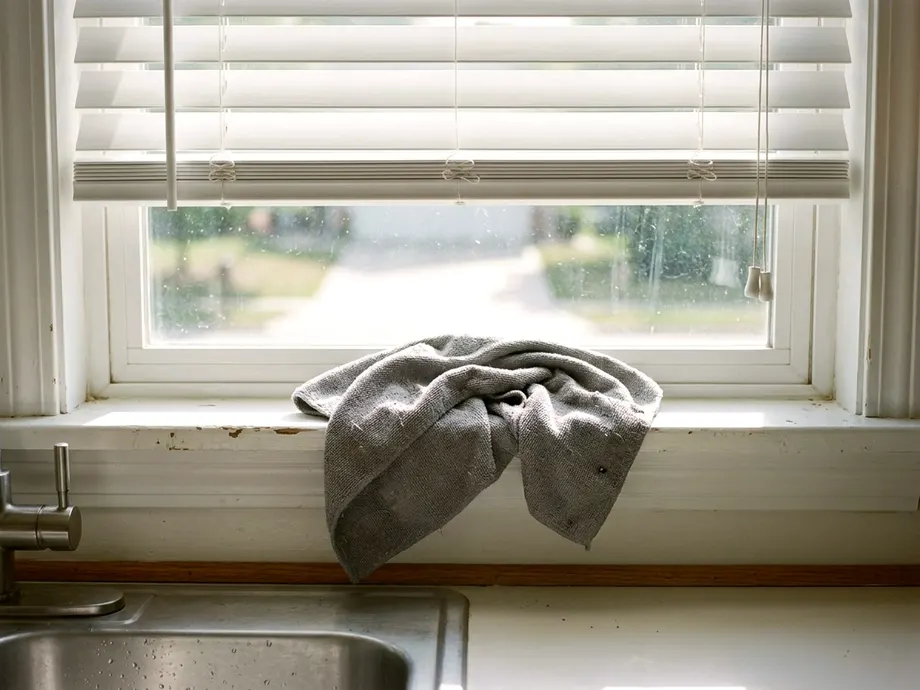
The easiest way to clean dirty blinds is to dust them in place, wipe the individual slats with a damp cloth, or take them down for a soapy bath. The right method depends entirely on what the slats are made of and how sticky the grime has become.
Work out what your blinds are made of
Before you grab a wet cloth, you need to identify the material hanging in your window. The wrong cleaning method can damage certain finishes. You can generally figure out the material by looking closely at the texture and feeling the weight of the slats.
Real wood blinds have a natural wood grain you can feel with your fingernail, and they feel relatively light for their size. Faux wood blinds mimic this look but use plastic or composite materials. They may feel heavier than real wood. Some faux wood slats have a printed grain pattern that feels completely smooth to the touch.
Aluminum and vinyl are common for plain slat styles. Aluminum blinds are thin, cold to the touch, and bend easily, making a distinct metallic clatter when they hit against each other. Vinyl slats are thicker and feel like plastic. Fabric blinds include cellular shades, Roman shades, and simple roller shades.
Faux wood, vinyl, and aluminum usually handle moisture better, so check the maker's care label. Real wood and fabric need a very gentle, mostly dry approach.
Water can cause real wood to warp and swell. The slats may crack, and the paint or varnish can peel away. Wetting a fabric shade can leave water rings.
Dust them closed, then open and dust the other side
Most indoor dust is loose and dry. You can remove it without taking the hardware down from the window. You just need a dry microfiber cloth, a fluffy duster, or a vacuum with a soft brush attachment. A clean, dry paintbrush also works well to dust the tiny plastic gears inside the headrail.
Dusting open slats is frustrating because the slats bounce around and the dust simply pushes over the edge into the air. You need a solid surface to wipe against. Twist the wand to close the blinds completely so the slats lie flat against each other. They should point down toward the floor.
Hold the bottom rail steady with your free hand. Start at the very top left corner and wipe all the way across the top slat to the right side. Move down to the next slat and wipe from left to right again. Working from top to bottom ensures that any falling dust lands on dirty slats below, not the clean ones above.
Keep working your way down to the bottom rail. Once you finish that side, twist the wand to flip the slats the other way. They should now point up toward the ceiling. Hold the bottom rail again and repeat the process from top to bottom.
The dust will inevitably fall onto the windowsill and the floor below. You can easily vacuum this loose dirt away once the window treatments are completely clean. If you notice dust blowing right back onto your clean windows, you might need to check your air vents to see if they need attention.
Wipe each slat with a damp microfiber cloth or a sock over tongs
Simple dusting fails when humidity or cooking grease turns loose particles into a sticky paste. The dust binds tightly to the slats. You have to use a damp cloth and mild friction to lift this grime away.
Microfiber is the best fabric for this job. The tiny fibers grab the dirt instead of smearing it around the plastic or metal. Fill a small bowl with warm water and add a drop of liquid dish soap. Dip your cloth into the soapy water and wring it out completely.
The cloth should feel barely damp, never dripping wet. If the soap leaves a dull film, add a splash of white vinegar to the bowl to cut the residue. Close the blinds flat and hold the bottom rail. Wipe each slat individually from left to right.
Rinse the cloth in the bowl whenever it gets dark with dirt. Wring it out tightly before touching the window again. You can also make a custom cleaning tool using ordinary kitchen tongs and two clean socks. Old cotton athletic socks work very well for this trick.
Slip one sock over each arm of the tongs. Secure the cuffs with rubber bands so the fabric stays tightly in place. Dip the ends wrapped in socks into your bowl of soapy water. Wring the ends out as much as you can.
Open the blinds so the slats sit horizontally. Slide the tongs over one end of a slat. The top sock touches the top of the slat, and the bottom sock touches the underside. Squeeze the tongs gently and pull them all the way across the slat.
This cleans both sides at the exact same time. The tongs hold the slat steady, which stops the whole assembly from swinging back and forth. Rinse the socks out when they get dirty, or swap them for a fresh pair.
Soak greasy aluminum blinds in the tub with dish soap
Kitchen windows collect an invisible layer of aerosolized cooking oil. Dust sticks to this oil and hardens into a stubborn crust. Wiping greasy aluminum or vinyl blinds while they hang in the window can just spread the grease around. You need to take them down for a full wash.
Open the bracket doors at the top of the window frame. Slide the metal headrail out carefully. Gather the pull cords and wrap them up so they do not tangle in the water. Taking the hardware down leaves the glass completely bare.
This makes it an excellent time to figure out why your windows streak and wipe the glass clear. Place an old bath towel flat on the bottom of your bathtub. This towel protects the porcelain from scratches and stops the metal hardware from clanking around.
Place the folded blind on top of the towel. Fill the tub with enough warm water to submerge the slats. Squirt a generous amount of liquid dish soap directly into the water. Swish the water around with your hand to create heavy suds.
Dish soap is specifically designed to cut through food grease, which makes it a good cleaner for sticky kitchen grime. Let the blinds soak while the warm water and soap soften the hardened grease crust.
After the soak, run a soft sponge across both sides of every slat. The grime should wipe away with little scrubbing. Do not use abrasive scouring pads, as they can scratch the painted finish.
Some window treatments have thick cloth tapes holding the slats together instead of thin strings. You can scrub these dirty cloth tapes gently with a soft toothbrush dipped in the soapy water. Drain the dirty water from the tub.
Turn on the showerhead or use a bucket to pour clean water over the slats. Keep rinsing until the water runs totally clear and all the soap bubbles are gone. Lift the hardware by the thick headrail and let the excess water drip into the drain.
Keep wood and fabric blinds almost dry
Real wood requires careful handling to protect the factory finish. Never soak wood hardware in a bathtub or spray it directly with household surface cleaners. Liquid can cause natural wood grain to swell. The slats may warp, and the paint or varnish can peel away.
Use a barely damp cloth to tackle stuck-on dirt on real wood. Wring the cloth out until almost no moisture remains. Wipe a single slat, then dry it immediately with a second clean microfiber cloth. Do not let moisture sit on the wood surface.
If the maker's care instructions allow it, furniture polish can restore the shine. Spray the polish onto your cloth rather than directly onto the wood. Fabric shades need a completely dry approach. Cellular shades, also known as honeycomb shades, trap dust in their open side pockets.
Roman shades collect dust in their folded fabric pleats. Attach the upholstery brush to your vacuum cleaner hose. Turn the vacuum suction down to a low setting if your machine allows it. Support the fabric from behind with your hand.
Run the brush gently over the surface, working from top to bottom. Put the vacuum nozzle near the open ends of cellular shades to pull loose dust out of the interior pockets. You can spot-clean small stains on fabric with extreme care.
Mix warm water and a drop of mild dish soap. Dip a clean white cloth into the mixture and wring it out until it is almost dry. Dab the stain very lightly.
Do not rub the fabric. Rubbing can grind dirt deeper into the fibers and distort the woven pattern. Let the damp spot air dry completely before rolling the shade up.
Hang them to dry fully before you close them again
Wet pull cords can rot and break over time. Damp slats trapped against each other can breed mildew and smell musty. You must ensure the entire assembly dries completely after a damp wipe or a bathtub soak.
Carry wet aluminum or vinyl blinds back to the window wrapped in a dry towel to catch the drips. Slide the headrail back into the mounting brackets and snap the doors shut. Lower the blind to its full length immediately. Run a dry towel down the length of the pull cords to squeeze out the excess water.
Tilt the wand to open the slats fully so they sit horizontally. This position allows maximum air circulation between every single layer. Never pull wet window treatments up into a tight stack at the top of the window frame.
Open the window to let fresh air flow through the wet slats. You can also point a standing fan directly at the window to speed up the evaporation process. Leave them wide open until the pull cords, the cloth tapes, and the slats are bone dry to the touch.
Dust once a week to stop the buildup
Heavy scrubbing is only necessary when you ignore the dust for a long time. You can skip the soapy water and the messy bathtub entirely by adding window treatments to your regular cleaning routine. Make a quick pass with a dry duster every week.
Close the slats flat, wipe them down, flip them, and wipe the other side. This habit takes very little time. It stops the loose dust from sitting long enough to mix with the natural humidity in the air.
Regular dusting removes airborne dirt and pet hair before they can turn into sticky grime. Keep the duster handy and sweep it over the window frame every time you clean the surrounding furniture or vacuum the floor.
Next snags we can fix
Why your windows streak and how to get them clear
Find out exactly how to clean windows without leaving streaks behind using warm water, plain dish soap and a squeegee for clear glass.
Cleaning Shortcuts 6 min fix
How to remove bathroom mold and keep it from coming back
Learn effective bathroom mold removal to scrub away stubborn dark spots and fix the hidden moisture issues that keep bringing the problem back.
Cleaning Shortcuts 7 min fix
Getting sweat, pee and old stains out of a mattress
Figure out how to clean mattress foam and fabric right now, from fresh accidents to old yellow sweat rings, using mild cleaners and basic baking soda.
Cleaning Shortcuts 6 min fix